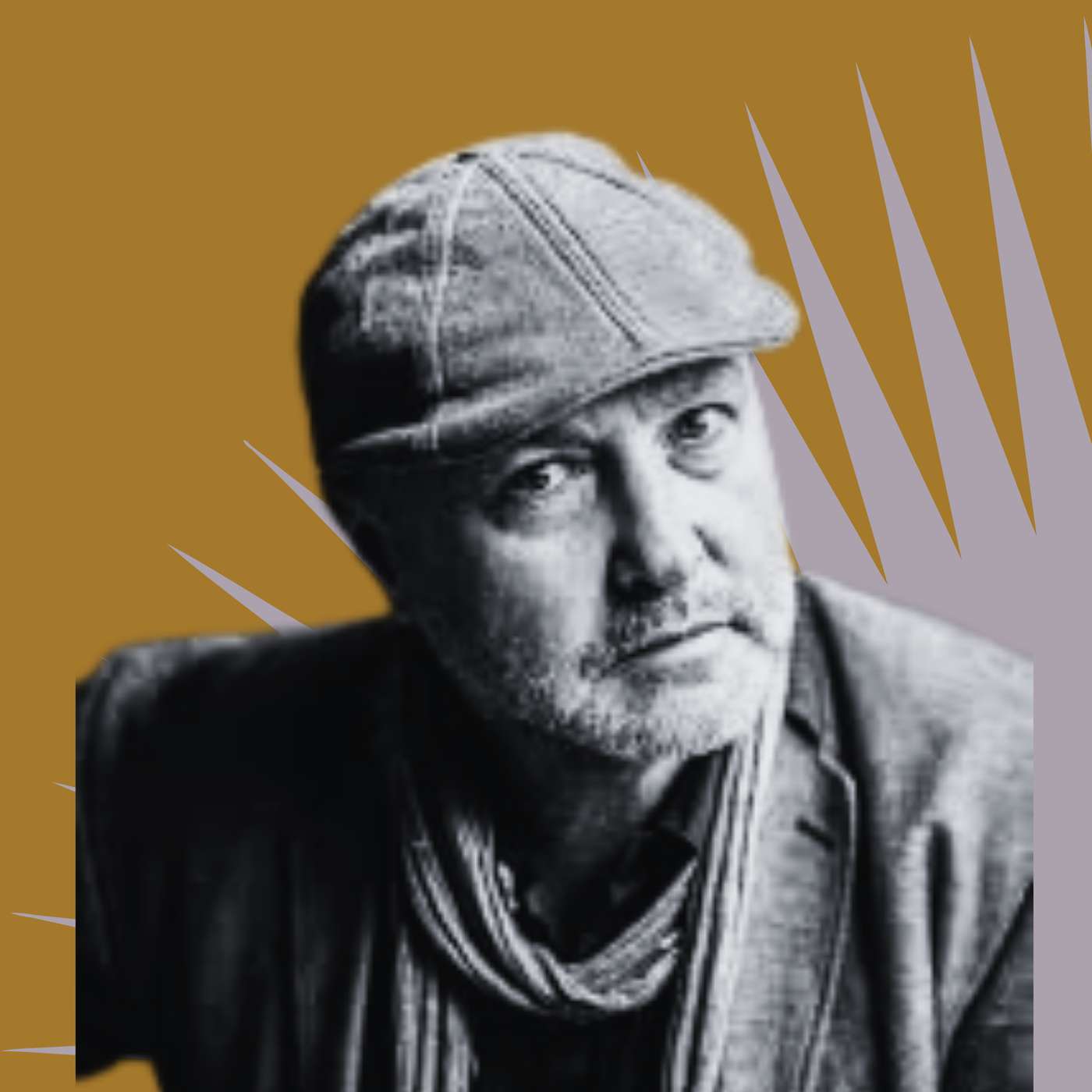
How Stories Can Save Us: Colum McCann on Narrative Four, Einstein, Freud, and the Power of Empathy episode artwork

EPISODE · Mar 26, 2026 · 43 MIN

How Stories Can Save Us: Colum McCann on Narrative Four, Einstein, Freud, and the Power of Empathy

from Keen On America · host Andrew Keen

“The shortest distance between you and me is a story.” — Colum McCannIn 1932, Albert Einstein wrote to Sigmund Freud asking if humanity could cure its “lust for hatred.” Freud said no. Mankind’s instinct for death and destruction could not be eliminated. That said, the Viennese doctor went on, the desire to end war should never be abandoned. What was needed was a “mythology of the instincts” and a “community of feeling.” In other words: a story. The book sold 2,000 copies. By 1933, the Nazis had seized power and the two men had fled into exile.Colum McCann — National Book Award-winning novelist, author of Let the Great World Spin and American Mother — has spent the last dozen years trying to build Freud’s community of feeling. His organisation, Narrative Four, now operates in 35 countries with 1,200 school partners and 285,000 participants. The method is deceptively simple: two strangers exchange personal stories, then retell each other’s story in the first person. Overpowered by empathy, they realise they’re not so different.At 21, Colum McCann bought a typewriter thinking he’d be the next Kerouac and produced a foot and a half of gibberish. He then went on the road and spent eighteen months cycling across America. Everyone he met wanted to tell him their story. That’s his story, but not where it ends. Five Takeaways•       Einstein Asked Freud If Stories Could Prevent War: In 1932, Einstein wrote to Freud asking if humanity could cure its “lust for hatred.” Freud said no — but added that the desire to end war should never be abandoned. What was needed was a “mythology of the instincts” and a “community of feeling.” Basically: storytelling. The book sold 2,000 copies. By 1933, Hitler was in power.•       You Tell My Story, I Tell Yours: That’s the Narrative Four method. Pairs of strangers exchange personal stories, then retell each other’s story in the first person to the group. Something fires in the brain — dopamine, memory, imagination, empathetic engagement. It’s been done 285,000 times in 35 countries. Oxford and Ohio State confirmed it: polarisation drops dramatically.•       South Bronx Kids Met Eastern Kentucky Kids. They Were Terrified: One group Black and immigrant, the other white or Cherokee. One urban, one rural. One blue, one red. Put them in a room and they’re terrified of each other — until they tell a personal story. Not a didactic story, not a political argument. Something that opens up the rib cage. Then they realise they’re not so different.•       Yesterday Was Big Tobacco’s Moment for Social Media: The landmark court verdict on Facebook and YouTube addiction dropped the same day we recorded this conversation. McCann’s son has been saying for years that social media will be the cigarettes of the future. Social media promised everyone a platform for their stories. What it delivered was isolation, loneliness, and the epidemic of kids who say “I don’t have a story.”•       Stories Can Do Anything. They Can Never Take Them Away: McCann bought a typewriter at 21, thought he’d be the next Kerouac, produced a foot and a half of gibberish, and spent eighteen months cycling across America instead. He learned that everyone has a story and a deep desire to tell it. Books may go the way of opera. AI may recombine what we’ve already written. But they can never take away stories. About the GuestColum McCann is the author of eight novels, three collections of stories, and two works of non-fiction. Born in Dublin, he is the recipient of the US National Book Award, the International Dublin Literary Prize, and an Oscar nomination. He is the president and co-founder of Narrative Four, a global non-profit that uses storytelling to build empathy and community. He lives in New York.References:•       Narrative Four — the global story exchange organisation. Get involved, become a facilitator, or get your school on board.•       Episode 2840: What Came First: Stories or Language? — Kevin Ashton on the story before the word. McCann watched it and agrees.•       Episode 2844: Was St. Francis of Assisi the First Silicon Valley Critic? — Dan Turello on agency, embodiment, and why Dante wrote without being able to edit.•       Episode 2846: How to Be Agreeably Disagreeable — Julia Minson on disagreeing better. McCann’s method is the narrative version of Minson’s science.About Keen On AmericaNobody asks more awkward questions than the Anglo-American writer and filmmaker Andrew Keen. In Keen On America, Andrew brings his pointed Transatlantic wit to making sense of the United States — hosting daily interviews about the history and future of this now venerable Republic. With nearly 2,800 episodes since the show launched on TechCrunch in 2010, Keen On America is the most prolific intellectual interview show in the history of podcasting.WebsiteSubstackYouTubeApple PodcastsSpotify Chapters:(00:00) - Introduction: Kevin Ashton, Bob Dylan, and why stories never end (02:09) - The shortest distance between you and me is a story (04:04) - How Narrative Four began: Lisa Consiglio and a question in Aspen (05:03) - The story exchange: I tell your story, you tell mine (06:41) - 35 countries, 285,000 participants, 1,200 school partners (07:59) - South Bronx meets Eastern Kentucky: terrified until they tell a story (09:11) - Radical empathy and the New York Times Magazine (10:38) - Belfast and Limerick: afraid they’d start a war (14:21) - Oxford and Ohio State: polarisation dramatically reduced (15:01) - Yesterday’s Big Tobacco moment for social media (18:24) - Einstein, Freud, and the mythology of the instincts (22:45) - Can science measure the value of a story? (26:38) - Can machines tell stories? AI and the novelist’s fear (29:33) - Dylan’s “Key West”: that’s my story, but not where it ends (33:47) - Citizen assemblies and the political power of stories (36:05) - The bicycle journey: eighteen months across America at 21 (39:41) - How to get involved: narrative4.com

“The shortest distance between you and me is a story.” — Colum McCannIn 1932, Albert Einstein wrote to Sigmund Freud asking if humanity could cure its “lust for hatred.” Freud said no. Mankind’s instinct for death and destruction could not be eliminated. That said, the Viennese doctor went on, the desire to end war should never be abandoned. What was needed was a “mythology of the instincts” and a “community of feeling.” In other words: a story. The book sold 2,000 copies. By 1933, the Nazis had seized power and the two men had fled into exile.Colum McCann — National Book Award-winning novelist, author of Let the Great World Spin and American Mother — has spent the last dozen years trying to build Freud’s community of feeling. His organisation, Narrative Four, now operates in 35 countries with 1,200 school partners and 285,000 participants. The method is deceptively simple: two strangers exchange personal stories, then retell each other’s story in the first person. Overpowered by empathy, they realise they’re not so different.At 21, Colum McCann bought a typewriter thinking he’d be the next Kerouac and produced a foot and a half of gibberish. He then went on the road and spent eighteen months cycling across America. Everyone he met wanted to tell him their story. That’s his story, but not where it ends. Five Takeaways•       Einstein Asked Freud If Stories Could Prevent War: In 1932, Einstein wrote to Freud asking if humanity could cure its “lust for hatred.” Freud said no — but added that the desire to end war should never be abandoned. What was needed was a “mythology of the instincts” and a “community of feeling.” Basically: storytelling. The book sold 2,000 copies. By 1933, Hitler was in power.•       You Tell My Story, I Tell Yours: That’s the Narrative Four method. Pairs of strangers exchange personal stories, then retell each other’s story in the first person to the group. Something fires in the brain — dopamine, memory, imagination, empathetic engagement. It’s been done 285,000 times in 35 countries. Oxford and Ohio State confirmed it: polarisation drops dramatically.•       South Bronx Kids Met Eastern Kentucky Kids. They Were Terrified: One group Black and immigrant, the other white or Cherokee. One urban, one rural. One blue, one red. Put them in a room and they’re terrified of each other — until they tell a personal story. Not a didactic story, not a political argument. Something that opens up the rib cage. Then they realise they’re not so different.•       Yesterday Was Big Tobacco’s Moment for Social Media: The landmark court verdict on Facebook and YouTube addiction dropped the same day we recorded this conversation. McCann’s son has been saying for years that social media will be the cigarettes of the future. Social media promised everyone a platform for their stories. What it delivered was isolation, loneliness, and the epidemic of kids who say “I don’t have a story.”•       Stories Can Do Anything. They Can Never Take Them Away: McCann bought a typewriter at 21, thought he’d be the next Kerouac, produced a foot and a half of gibberish, and spent eighteen months cycling across America instead. He learned that everyone has a story and a deep desire to tell it. Books may go the way of opera. AI may recombine what we’ve already written. But they can never take away stories. About the GuestColum McCann is the author of eight novels, three collections of stories, and two works of non-fiction. Born in Dublin, he is the recipient of the US National Book Award, the International Dublin Literary Prize, and an Oscar nomination. He is the president and co-founder of Narrative Four, a global non-profit that uses storytelling to build empathy and community. He lives in New York.References:•       Narrative Four — the global story exchange organisation. Get involved, become a facilitator, or get your school on board.•       Episode 2840: What Came First: Stories or Language? — Kevin Ashton on the story before the word. McCann watched it and agrees.•       Episode 2844: Was St. Francis of Assisi the First Silicon Valley Critic? — Dan Turello on agency, embodiment, and why Dante wrote without being able to edit.•       Episode 2846: How to Be Agreeably Disagreeable — Julia Minson on disagreeing better. McCann’s method is the narrative version of Minson’s science.About Keen On AmericaNobody asks more awkward questions than the Anglo-American writer and filmmaker Andrew Keen. In Keen On America, Andrew brings his pointed Transatlantic wit to making sense of the United States — hosting daily interviews about the history and future of this now venerable Republic. With nearly 2,800 episodes since the show launched on TechCrunch in 2010, Keen On America is the most prolific intellectual interview show in the history of podcasting.WebsiteSubstackYouTubeApple PodcastsSpotify Chapters:(00:00) - Introduction: Kevin Ashton, Bob Dylan, and why stories never end (02:09) - The shortest distance between you and me is a story (04:04) - How Narrative Four began: Lisa Consiglio and a question in Aspen (05:03) - The story exchange: I tell your story, you tell mine (06:41) - 35 countries, 285,000 participants, 1,200 school partners (07:59) - South Bronx meets Eastern Kentucky: terrified until they tell a story (09:11) - Radical empathy and the New York Times Magazine (10:38) - Belfast and Limerick: afraid they’d start a war (14:21) - Oxford and Ohio State: polarisation dramatically reduced (15:01) - Yesterday’s Big Tobacco moment for social media (18:24) - Einstein, Freud, and the mythology of the instincts (22:45) - Can science measure the value of a story? (26:38) - Can machines tell stories? AI and the novelist’s fear (29:33) - Dylan’s “Key West”: that’s my story, but not where it ends (33:47) - Citizen assemblies and the political power of stories (36:05) - The bicycle journey: eighteen months across America at 21 (39:41) - How to get involved: narrative4.com

NOW PLAYING

How Stories Can Save Us: Colum McCann on Narrative Four, Einstein, Freud, and the Power of Empathy

0:00 43:37

No transcript for this episode yet

We transcribe on demand. Request one and we'll notify you when it's ready — usually under 10 minutes.

The Small Business Startup School – Business Notes | Financial Literacy | Retail Psychology – For Professionals & Entrepreneurs The Small Business Startup School Inc. Starting or buying a small business? While personal circumstances may vary, business patterns remain timeless. On The Small Business Startup School, we explore strategies, insights, and practical solutions to help entrepreneurs confidently navigate their journey.Hosted by Ola Williams—a retail entrepreneur, fintech founder, and financial coach with over two decades of experience—this podcast marries financial awareness and retail psychology with optimism to deliver actionable takeaways.Join us to learn, grow, and connect as we uncover the keys to business success.Let’s continue to learn together and be encouraged to keep on connecting! PodQuesting Dwight J Randolph- WolfShield Media PodQuesting: -By WolfShield Media and Dwight J RandolphJoin us on an exciting journey to master the world of fiction podcasting! At PodQuesting, we document our quest to improve and innovate, sharing valuable insights, strategies, and behind-the-scenes tips along the way. Whether you're an experienced podcaster or just starting your first show, our podcast is your go-to resource for everything podcasting.Discover practical advice, creative techniques, and lessons from our own experiences as we explore the ever-evolving podcasting landscape. Ready to level up your skills and embark on this adventure with us? Tune in and join the quest!Have questions or feedback? Reach out to us at [email protected] and visit our website:WolfShield.Media LIGHTS, CAMERA, SMILE! Creatives Club Media Lights, Camera, Smile, is a podcast for anyone with a dream to share something with the world, out of the overflow of themselves - be it their mind, their heart, their personalities, and much more. Each of us are alive in this moment in time, with an innate ability to have ideas and create various things to benefit both ourselves and the people around us for a reason, and here, you will find the encouragement, the inspiration, and the motivation to do just that. Hosted by Cicily, founder of Creatives Club, she dives into various topics surrounding creativity and business. Exploring entrepreneurship for creatives in a corporate reality, sharing tips and tricks in a media centered company, answering questions regarding what a creative actually is are just a few of the things discussed on this podcast. Be encouraged to create for yourself as Cicily gets vulnerable by pivoting the camera to herself for the first time.To submit questions for Cicily to answer, or have her address certain t Kaizen Blueprint Aldo Chandra "Kaizen" is a Japanese term for continuous improvement. This podcast provides a blueprint to learn about health, wealth, relationships and everything else in between. Through our podcast, we strive to inspire, educate, and motivate our audience to cultivate a mindset of lifelong learning, productivity, and personal development. By sharing insights, strategies, and practical tips, we aim to guide listeners on their journey towards realizing their fullest potential, fostering success, and creating lasting positive change.

Frequently Asked Questions

How long is this episode of Keen On America?

This episode is 43 minutes long.

When was this Keen On America episode published?

This episode was published on March 26, 2026.

What is this episode about?

“The shortest distance between you and me is a story.” — Colum McCannIn 1932, Albert Einstein wrote to Sigmund Freud asking if humanity could cure its “lust for hatred.” Freud said no. Mankind’s instinct for death and destruction could not be...

Is there a transcript available for this episode?

Yes, a full transcript is available for this episode. You can read the complete transcript on the episode page.

Can I download this Keen On America episode?

Yes, you can download this episode by clicking the download button on the episode player, or subscribe to the podcast in your preferred podcast app for automatic downloads.
URL copied to clipboard!