
EPISODE · Jan 24, 2025 · 36 MIN
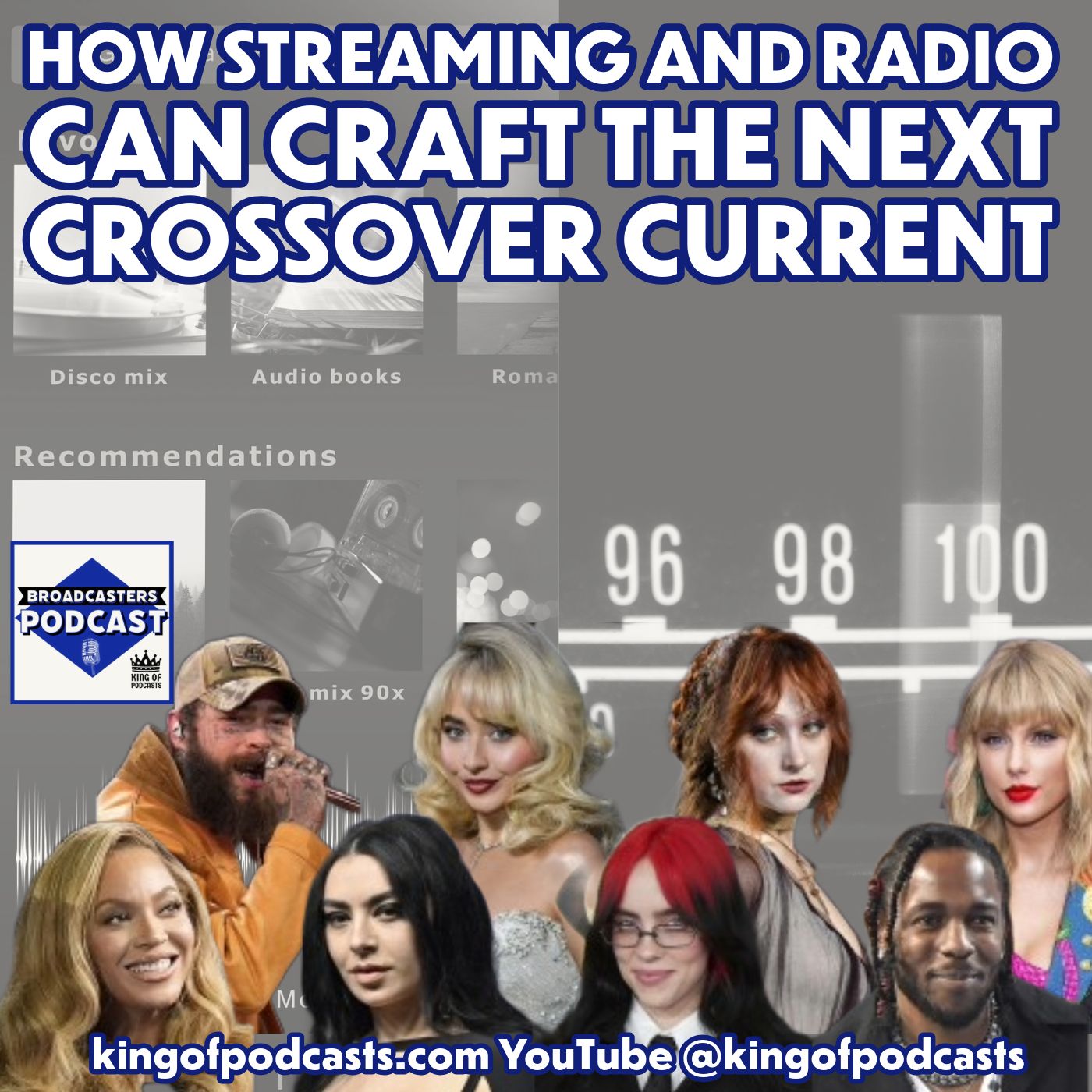
How Streaming and Radio Can Craft the Next Crossover Current (ep.367)
from The Broadcasters Podcast · host King Of Podcasts
American popular music is facing a stagnation crisis. While streaming charts overflow with diverse genres and emerging artists, radio airwaves seem trapped in a time warp, dominated by familiar names and predictable formulas. This growing disconnect between how music is consumed online and what gets played on traditional radio is raising concerns about the industry's future and the stifling of musical innovation."It feels like we're living in two different musical worlds," says Dr. Emily Chen, a musicologist at NYU. "Streaming allows for niche exploration and personalized discovery, while radio remains stubbornly attached to a shrinking pool of mainstream artists."The numbers paint a stark picture. According to recent data from Luminate, the average age of songs on Billboard's Hot 100, a chart heavily influenced by radio play, has steadily increased over the past decade. In contrast, streaming platforms like Spotify and Apple Music boast playlists with hyper-specific genres and a constant influx of new releases.This divergence has real consequences for artists. While breaking into playlists can garner millions of streams and build a dedicated online fanbase, it doesn't guarantee mainstream recognition. Radio airplay remains crucial for reaching wider audiences, particularly older demographics and those in rural areas with limited internet access."It's incredibly frustrating," says Maya Jones, an up-and-coming indie artist from Chicago. "I have a decent following online, but getting my music on the radio feels like an impossible dream. It's like there's an invisible wall between me and a larger audience."The reasons for this disconnect are complex. Radio stations, particularly those owned by large conglomerates like iHeartMedia, often rely on risk-averse playlists and established formulas to maintain listenership and attract advertisers. This leads to a heavy rotation of familiar hits and a reluctance to experiment with newer sounds."Radio is a business, and they're playing it safe," explains music industry analyst, Mark Thompson. "They're catering to a perceived mass audience, which often translates to playing the same songs we've heard a thousand times before."Furthermore, the influence of major record labels on radio programming cannot be ignored. Labels often prioritize established artists and commercially viable genres, further limiting the diversity of music reaching the airwaves.This situation has led to calls for greater crossover between streaming and radio, and not just by passively observing trends. Industry professionals need to actively participate in bridging this gap. Imagine a world where:* Radio stations partner with streaming services: Collaborative playlists curated by DJs and algorithms could introduce listeners to new artists while leveraging the data-driven insights of streaming platforms.* Labels prioritize artist development over quick profits: Instead of focusing solely on established acts, labels could invest in nurturing emerging talent and actively pitch their music to radio stations.* Independent curators gain influence: Tastemakers from the online world could be given a platform on radio, introducing their unique perspectives and diverse musical selections to a wider audience.* Metrics evolve beyond just airplay: Charts could incorporate streaming data, social media engagement, and live performance metrics, providing a more holistic view of an artist's success and influencing radio programming.This kind of collaborative approach could benefit more than just the record labels. Artists would gain access to new audiences and opportunities, radio stations could revitalize their programming and attract new listeners, and music lovers would be exposed to a wider range of sounds and genres."This isn't about replacing radio with streaming or vice versa," says Thompson. "It's about recognizing the strengths of each platform and finding ways to work together to create a more vibrant and inclusive musical landscape."The stagnation of popular music on American radio is not just an industry issue; it's a cultural one. By clinging to outdated formulas and neglecting the vibrant landscape of online music, radio risks losing relevance and failing to reflect the evolving tastes of listeners.It's time for the music industry to break down the walls between streaming and radio, allowing fresh sounds and new voices to reach the airwaves and revitalize the American soundscape. And that can only happen through active collaboration and a shared commitment to musical discovery.Contact KOP for professional podcast production, imaging, and web design services at http://www.kingofpodcasts.comSupport KOP by subscribing to his YouTube channel and search for King Of PodcastsFollow KOP on Twitter or Facebook @kingofpodcastsListen to KOP’s other programs, Depraved and Debaucherous, Podcasters Row and the Wrestling is Real Wrestling PodcastBecome a supporter of this podcast: https://www.spreaker.com/podcast/the-broadcasters-podcast--3684131/support.Contact KOP for professional podcast production, imaging, and web design services at http://www.kingofpodcasts.comSupport KOP by subscribing to his YouTube channel and search for King Of PodcastsFollow KOP on X and TikTok @kingofpodcasts (F Meta!)Listen to KOP’s other programs, Podcasters Row… and the Wrestling is Real Wrestling Podcast and The Broadcasters Podcast.Buy KOP a Coffee https://buymeacoffee.com/kingofpodcastsDrop KOP a PayPal https://www.paypal.com/donate?hosted_button_id=3TAB983ZQPNVLDrop KOP a Venmo https://account.venmo.com/u/kingofpodcastsDrop KOP a CashApp https://cash.app/$kingofallpodcasts
What this episode covers
American popular music is facing a stagnation crisis. While streaming charts overflow with diverse genres and emerging artists, radio airwaves seem trapped in a time warp, dominated by familiar names and predictable formulas. This growing disconnect between how music is consumed online and what gets played on traditional radio is raising concerns about the industry's future and the stifling of musical innovation."It feels like we're living in two different musical worlds," says Dr. Emily Chen, a musicologist at NYU. "Streaming allows for niche exploration and personalized discovery, while radio remains stubbornly attached to a shrinking pool of mainstream artists."The numbers paint a stark picture. According to recent data from Luminate, the average age of songs on Billboard's Hot 100, a chart heavily influenced by radio play, has steadily increased over the past decade. In contrast, streaming platforms like Spotify and Apple Music boast playlists with hyper-specific genres and a constant influx of new releases.This divergence has real consequences for artists. While breaking into playlists can garner millions of streams and build a dedicated online fanbase, it doesn't guarantee mainstream recognition. Radio airplay remains crucial for reaching wider audiences, particularly older demographics and those in rural areas with limited internet access."It's incredibly frustrating," says Maya Jones, an up-and-coming indie artist from Chicago. "I have a decent following online, but getting my music on the radio feels like an impossible dream. It's like there's an invisible wall between me and a larger audience."The reasons for this disconnect are complex. Radio stations, particularly those owned by large conglomerates like iHeartMedia, often rely on risk-averse playlists and established formulas to maintain listenership and attract advertisers. This leads to a heavy rotation of familiar hits and a reluctance to experiment with newer sounds."Radio is a business, and they're playing it safe," explains music industry analyst, Mark Thompson. "They're catering to a perceived mass audience, which often translates to playing the same songs we've heard a thousand times before."Furthermore, the influence of major record labels on radio programming cannot be ignored. Labels often prioritize established artists and commercially viable genres, further limiting the diversity of music reaching the airwaves.This situation has led to calls for greater crossover between streaming and radio, and not just by passively observing trends. Industry professionals need to actively participate in bridging this gap. Imagine a world where:* Radio stations partner with streaming services: Collaborative playlists curated by DJs and algorithms could introduce listeners to new artists while leveraging the data-driven insights of streaming platforms.* Labels prioritize artist development over quick profits: Instead of focusing solely on established acts, labels could invest in nurturing emerging talent and actively pitch their music to radio stations.* Independent curators gain influence: Tastemakers from the online world could be given a platform on radio, introducing their unique perspectives and diverse musical selections to a wider audience.* Metrics evolve beyond just airplay: Charts could incorporate streaming data, social media engagement, and live performance metrics, providing a more holistic view of an artist's success and influencing radio programming.This kind of collaborative approach could benefit more than just the record labels. Artists would gain access to new audiences and opportunities, radio stations could revitalize their programming and attract new listeners, and music lovers would be exposed to a wider range of sounds and genres."This isn't about replacing radio with streaming or vice...
NOW PLAYING
How Streaming and Radio Can Craft the Next Crossover Current (ep.367)
No transcript for this episode yet
Similar Episodes
Mar 26, 2026 ·1m
Mar 19, 2026 ·34m
Feb 18, 2026 ·11m
Feb 11, 2026 ·45m