
EPISODE · Jul 15, 2025 · 23 MIN
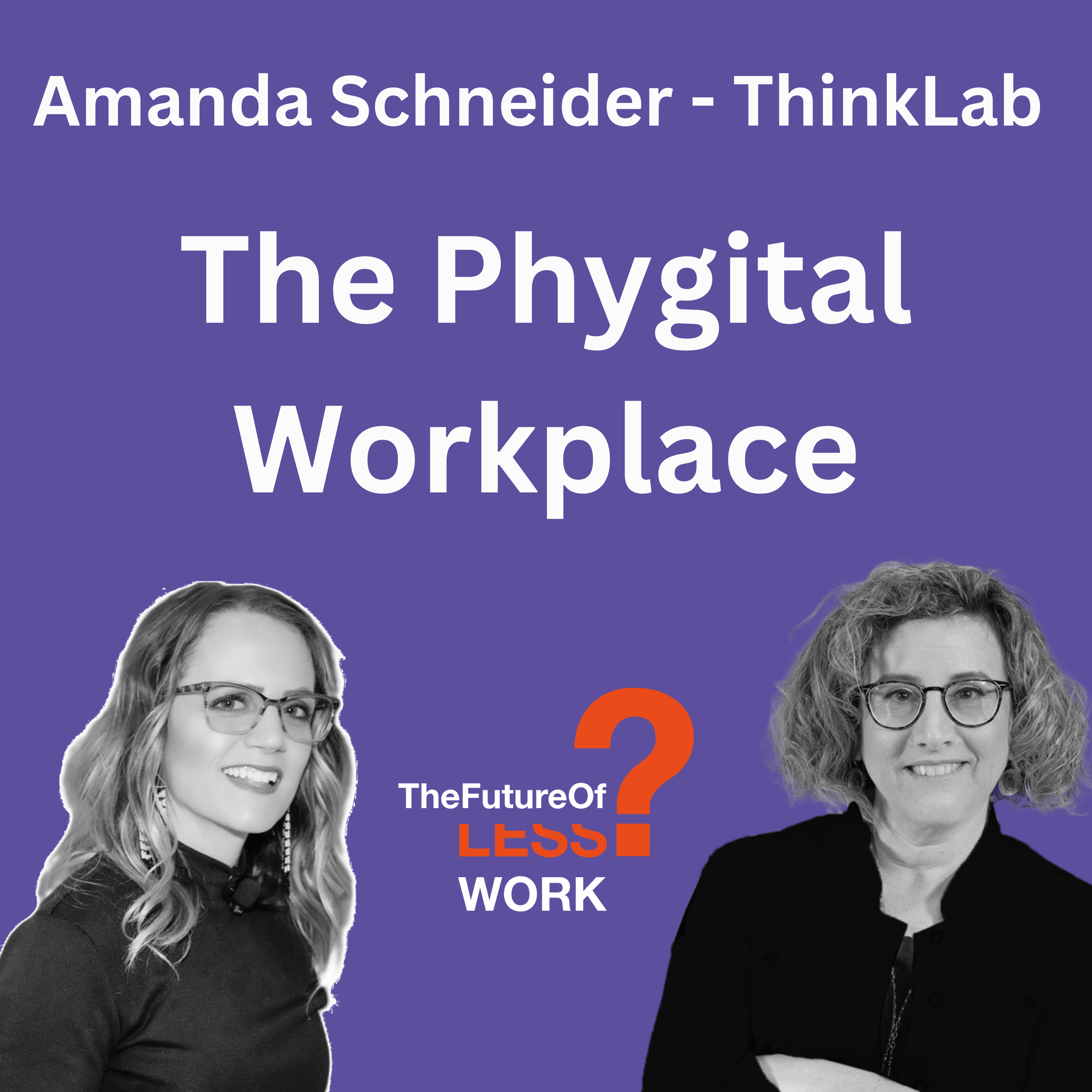
How to Build Trust and Culture In The Future Of Work with Amanda Schneider
from The Future Of Less Work · host Nirit Cohen
What happens when the next generation enters the workforce without ever knowing the “old way”—and starts reshaping work not by accident, but by design? What if Gen Z isn’t the problem, but the prototype?In this episode of The Future of Less Work, host Nirit Cohen sits down with Amanda Schneider, founder of ThinkLab, the research division of Interior Design Magazine, to explore how digital-first workers are challenging our assumptions about space, trust, and connection.From the rise of the “phygital” workplace to the trust gap shaping hybrid work, Amanda offers a design-forward lens on what it takes to build belonging, culture, and collaboration in a fluid world. Together, they unpack why Gen Z sees digital and physical space as one seamless environment, what leaders get wrong about building culture, and why intentionality—not location—is the key to thriving in the next era of work. Amanda shares how radical transparency, authentic storytelling, and self-awareness can help organizations and individuals design better ways to work and live.If you’ve ever wondered how to build trust without walls, how to lead digital natives, or how to design workspaces and work cultures that truly reflect your values—this is a conversation you won’t want to miss.Dive deeper into the research featured in this episode: Unlocking Gen Z’s Potential to Impact the Future of Workhttps://youtu.be/DP3sVzes9PwGuest Information:Amanda Schneider the Founder & President at ThinkLab, the research division of Interior Design Magazine. As a former blogger for the Huffington Post Amanda has been exploring the future of work through the lens of design for more than two decades. Her latest research around Gen Z was featured in a viral Forbes article titled Gen Z and the Great Office Debate Won’t End in 2023. She also co-authored the #1 article in the MIT Sloan management review July of 2024, and took the TedX stage in 2024 which can now be found on TED.com. Her degree in Industrial Design coupled with an MBA formed her foundation at the intersection of design and business and the power of that intersection to transform our world. Learn more by tuning into her award-winning podcast, Design Nerds Anonymous.Chapters:00:00 – What Is the Future of Less Work?01:35 – What Does Phygital Mean for Workplaces?03:20 – How Should We Design Digital and Physical Work Together?06:25 – What Can Gen Z Teach Us About Work?08:30 – Why Gen Z Doesn’t Separate Digital and Physical Work10:55 – What Is the Trust Gap in Hybrid Work?12:00 – Can We Build Trust Without Returning to the Office?13:25 – How to Build Culture and Belonging Digitally15:00 – Why Intentionality Is the Key to Hybrid Success17:00 – How to Design Work Around When and How We Work Best18:55 – What Does Radical Transparency Look Like at Work?20:50 – How Gen Z Research Is Reshaping Workplaces21:55 – What Question Should We Ask About the Future of Work?
What this episode covers
What happens when the next generation enters the workforce without ever knowing the “old way”—and starts reshaping work not by accident, but by design? What if Gen Z isn’t the problem, but the prototype?In this episode of The Future of Less Work, host Nirit Cohen sits down with Amanda Schneider, founder of ThinkLab, the research division of Interior Design Magazine, to explore how digital-first workers are challenging our assumptions about space, trust, and connection.From the rise of the “phygital” workplace to the trust gap shaping hybrid work, Amanda offers a design-forward lens on what it takes to build belonging, culture, and collaboration in a fluid world. Together, they unpack why Gen Z sees digital and physical space as one seamless environment, what leaders get wrong about building culture, and why intentionality—not location—is the key to thriving in the next era of work. Amanda shares how radical transparency, authentic storytelling, and self-awareness can help organizations and individuals design better ways to work and live.If you’ve ever wondered how to build trust without walls, how to lead digital natives, or how to design workspaces and work cultures that truly reflect your values—this is a conversation you won’t want to miss.Dive deeper into the research featured in this episode: Unlocking Gen Z’s Potential to Impact the Future of Workhttps://youtu.be/DP3sVzes9PwGuest Information:Amanda Schneider the Founder & President at ThinkLab, the research division of Interior Design Magazine. As a former blogger for the Huffington Post Amanda has been exploring the future of work through the lens of design for more than two decades. Her latest research around Gen Z was featured in a viral Forbes article titled Gen Z and the Great Office Debate Won’t End in 2023. She also co-authored the #1 article in the MIT Sloan management review July of 2024, and took the TedX stage in 2024 which can now be found on TED.com. Her degree in Industrial Design coupled with an MBA formed her foundation at the intersection of design and business and the power of that intersection to transform our world. Learn more by tuning into her award-winning podcast, Design Nerds Anonymous.Chapters:00:00 – What Is the Future of Less Work?01:35 – What Does Phygital Mean for Workplaces?03:20 – How Should We Design Digital and Physical Work Together?06:25 – What Can Gen Z Teach Us About Work?08:30 – Why Gen Z Doesn’t Separate Digital and Physical Work10:55 – What Is the Trust Gap in Hybrid Work?12:00 – Can We Build Trust Without Returning to the Office?13:25 – How to Build Culture and Belonging Digitally15:00 – Why Intentionality Is the Key to Hybrid Success17:00 – How to Design Work Around When and How We Work Best18:55 – What Does Radical Transparency Look Like at Work?20:50 – How Gen Z Research Is Reshaping Workplaces21:55 – What Question Should We Ask About the Future of Work?
NOW PLAYING
How to Build Trust and Culture In The Future Of Work with Amanda Schneider
No transcript for this episode yet
Similar Episodes
Mar 26, 2026 ·1m
Mar 19, 2026 ·34m
Feb 18, 2026 ·11m
Feb 11, 2026 ·45m