
EPISODE · Jan 9, 2023 · 27 MIN
How to have Difficult Conversations
from Cancer Covered
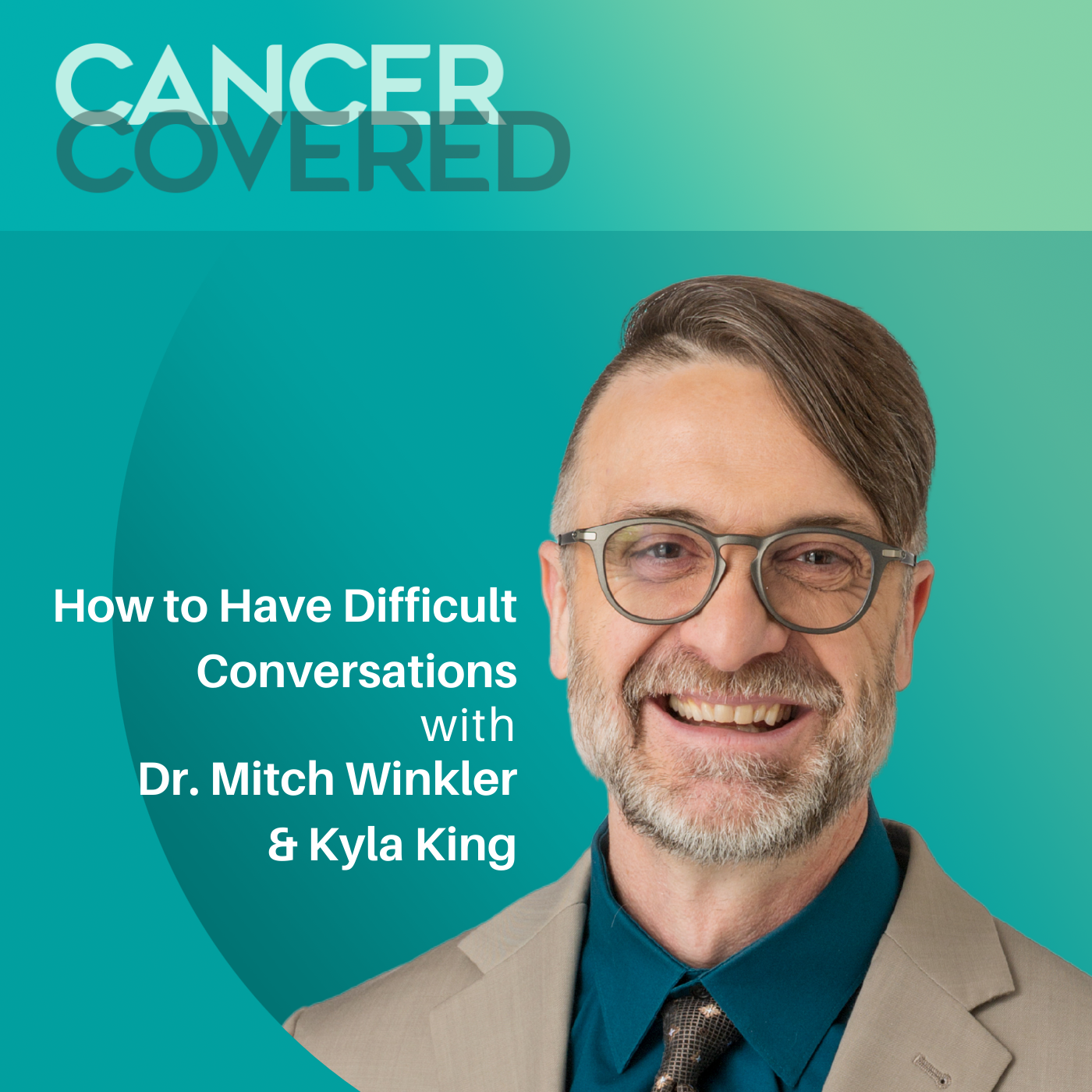
This week, we discuss what makes some conversations more difficult than others and why they’re so important to have with our patients. We discuss why oncologists should acknowledge and embrace the ‘uncomfortableness’ of having difficult conversations with their patients and share tips for delivering serious or difficult news. We discuss what ‘Red Level Concerns’ are and share tips to help healthcare professionals handle them more effectively and empathetically. We also discuss why it’s critical to validate a patient’s or caregiver’s concerns without passing judgment and the importance of remaining calm while having these difficult conversations with your patients. No matter how smart or well-trained you are, difficult conversations can be challenging. Our knowledge and training simply don’t prepare us for the real-time, raw emotions our patients experience when we tell them they have cancer. And it’s in those moments that we, as healthcare professionals, often feel uncomfortable and helpless. We become oncologists because we want to help people, but how do you help a patient when you feel helpless when your patient is experiencing waves of emotions after hearing difficult news? “Emotional heat doesn’t have to burn. Sometimes, people lash out emotionally. The person who remains calm is the one with power.”– Kyla King This week on Cancer Covered:Understanding what a ‘Red Level Concern’ isTips for handling ‘Red Level Concern’ conversations for healthcare workersAcknowledging and embracing the ‘uncomfortableness’ of having difficult conversationsThe importance of remaining calm during a difficult conversationIdentifying when a patient’s frustration and emotional lashing out becomes abusive or inappropriateValidating a patient’s or caregiver’s concerns without judgementHow Kyla helps patients resolve ‘Red Level Concerns’Why you should never promise things you cannot personally fulfill or deliverTips for delivering serious or difficult news to patientsAvoiding over-talking and over-explainingAssessing and acknowledging the patient’s emotionsThe importance of getting the patient’s permission to discuss conversations around life expectancyEnsuring patients understand the information they received during a difficult conversation Resources Mentioned:Book: Mastering Communication with Seriously Ill Patients by James Tulsky, Anthony Back, and Robert ArnoldBook: Crucial Conversations: Tools for Talking When Stakes are High by Kerry Patterson, Joseph Grenny, Ron McMillan, and Al Switzler Join Our Free Monthly Support GroupNo one should carry the burden of cancer alone. A cancer diagnosis can make you and your loved ones feel isolated and alone – just when you need support the most.Our social workers at Green Bay Oncology know that meaningful connection brings strength and healing. Sharing the experience in a safe space with others on a similar path is often powerful and therapeutic. That’s why we offer a free monthly virtual cancer support group facilitated for you and your loved ones.Wherever you are on your cancer journey – you are always welcome.To join us, visit: https://gboncology.com/events/ We’ve Got Cancer…Covered.Thanks for tuning into this week’s Cancer Covered with Green Bay Oncology episode. If you enjoyed this episode, please subscribe and leave a review wherever you get your podcasts.Apple Podcasts | GooglePlay |Deezer | Spotify | iHeartBe sure to share your favorite episodes on social media to help us reach more oncology professionals, cancer patients, and their families. Join us on Facebook, Twitter, Instagram, and LinkedIn. For more exclusive content and information, visit our website.
Embed this episode
Ready to play
How to have Difficult Conversations
No transcript for this episode yet
Similar Episodes
No similar episodes found.
Similar Podcasts
No similar podcasts found.