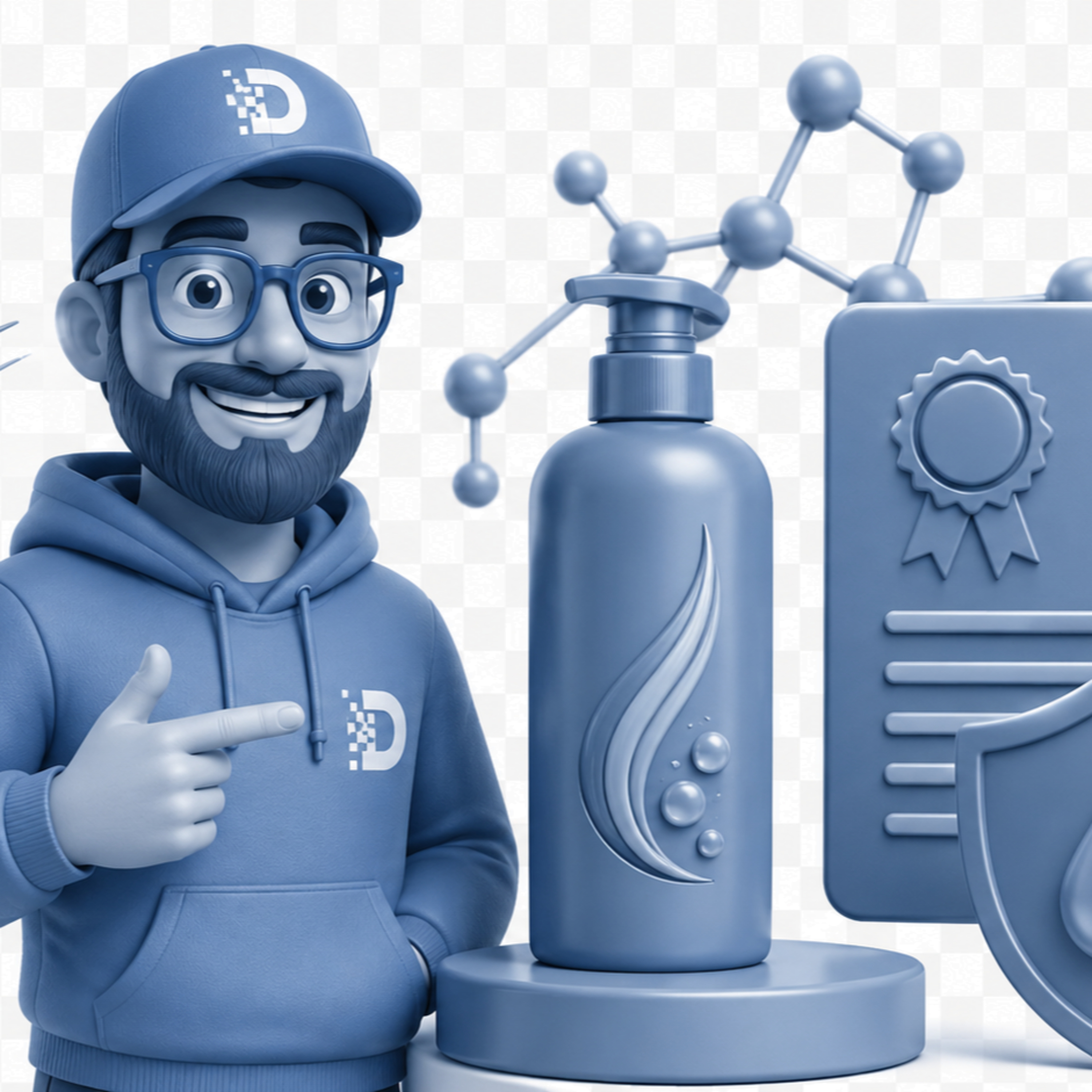
💇 How to Patent a Hair Product the Smart Way episode artwork

EPISODE · Jul 8, 2026 · 0 MIN

💇 How to Patent a Hair Product the Smart Way

from 🎙 Inventive Journey | Real Stories From the Startup Survival Club

A new hair product can feel like magic in a bottle, but the business side needs more than hope, foam, and a confident launch post. This episode-style breakdown explores how founders can think about patenting a hair product the smart way, especially when the invention includes a formula, applicator, treatment method, packaging feature, device, or manufacturing process.The big idea is simple: a patent does not protect the vague dream of “better hair care.” It protects a specific technical invention. That distinction matters. A founder may have a product customers love, but the patent question is whether the invention is new, useful, and non-obvious compared with what already exists. In other words, the market may clap, but the patent examiner still wants receipts.We cover why the first step is identifying the real invention. Is the product a unique composition? Does it stabilize an active ingredient? Does it reduce breakage in a measurable way? Does it deliver treatment to the scalp differently? Does the applicator control dosing, movement, or coverage better than existing tools? The more clearly the invention is defined, the better the strategy becomes.We also look at prior art searches, which are less glamorous than packaging design but far more useful when copycats appear. Prior art can include patents, published applications, scientific articles, product disclosures, competitor materials, and technical references. Searching early helps founders avoid expensive surprises and refine what they should actually claim.The conversation also compares patents with trade secrets. A patent can create exclusionary rights, but it requires disclosure. A trade secret can protect valuable know-how, but only if the information stays secret. For hair products, the best answer may depend on whether competitors can reverse engineer the formula, whether the key advantage lives in the manufacturing process, and whether confidential information is properly controlled.We also discuss common hazards: launching before filing, sharing samples without confidentiality, assuming trendy ingredients are automatically patentable, ignoring ownership with chemists or manufacturers, and filing claims that are either too narrow to matter or too broad to survive. Beauty founders have enough chaos without turning intellectual property into a legal detangling brush.Layered protection matters too. A patent may cover the technical invention, but trademarks can protect the brand name, copyrights can protect original marketing materials, and contracts can help control confidential information shared with labs, vendors, retailers, influencers, and partners. No single tool protects the entire business. A founder needs the legal equivalent of a good hair-care routine: more than one product, used in the right order, before things get tangled.The episode also explains why documentation matters. Formula versions, testing data, prototype photos, lab notes, supplier communications, and dates can help show how the product developed. Those records may also clarify who contributed what, which is especially important when outside chemists, manufacturers, or consultants are involved. Ownership confusion is not charming. It is expensive.For startup founders, beauty entrepreneurs, product developers, salon innovators, and small business owners, this is a practical guide to protecting the invention before the market gets frizzy. The smartest founders do not wait until the product is already copied. They evaluate protection before the launch, before the pitch, and before the suspiciously similar competitor shows up with a bottle that looks like it borrowed your homework.To chat about this one-on-one, grab a free consult at strategymeeting.com

A new hair product can feel like magic in a bottle, but the business side needs more than hope, foam, and a confident launch post. This episode-style breakdown explores how founders can think about patenting a hair product the smart way, especially when the invention includes a formula, applicator, treatment method, packaging feature, device, or manufacturing process.The big idea is simple: a patent does not protect the vague dream of “better hair care.” It protects a specific technical invention. That distinction matters. A founder may have a product customers love, but the patent question is whether the invention is new, useful, and non-obvious compared with what already exists. In other words, the market may clap, but the patent examiner still wants receipts.We cover why the first step is identifying the real invention. Is the product a unique composition? Does it stabilize an active ingredient? Does it reduce breakage in a measurable way? Does it deliver treatment to the scalp differently? Does the applicator control dosing, movement, or coverage better than existing tools? The more clearly the invention is defined, the better the strategy becomes.We also look at prior art searches, which are less glamorous than packaging design but far more useful when copycats appear. Prior art can include patents, published applications, scientific articles, product disclosures, competitor materials, and technical references. Searching early helps founders avoid expensive surprises and refine what they should actually claim.The conversation also compares patents with trade secrets. A patent can create exclusionary rights, but it requires disclosure. A trade secret can protect valuable know-how, but only if the information stays secret. For hair products, the best answer may depend on whether competitors can reverse engineer the formula, whether the key advantage lives in the manufacturing process, and whether confidential information is properly controlled.We also discuss common hazards: launching before filing, sharing samples without confidentiality, assuming trendy ingredients are automatically patentable, ignoring ownership with chemists or manufacturers, and filing claims that are either too narrow to matter or too broad to survive. Beauty founders have enough chaos without turning intellectual property into a legal detangling brush.Layered protection matters too. A patent may cover the technical invention, but trademarks can protect the brand name, copyrights can protect original marketing materials, and contracts can help control confidential information shared with labs, vendors, retailers, influencers, and partners. No single tool protects the entire business. A founder needs the legal equivalent of a good hair-care routine: more than one product, used in the right order, before things get tangled.The episode also explains why documentation matters. Formula versions, testing data, prototype photos, lab notes, supplier communications, and dates can help show how the product developed. Those records may also clarify who contributed what, which is especially important when outside chemists, manufacturers, or consultants are involved. Ownership confusion is not charming. It is expensive.For startup founders, beauty entrepreneurs, product developers, salon innovators, and small business owners, this is a practical guide to protecting the invention before the market gets frizzy. The smartest founders do not wait until the product is already copied. They evaluate protection before the launch, before the pitch, and before the suspiciously similar competitor shows up with a bottle that looks like it borrowed your homework.To chat about this one-on-one, grab a free consult at strategymeeting.com

NOW PLAYING

💇 How to Patent a Hair Product the Smart Way

0:00 0:29

No transcript for this episode yet

We transcribe on demand. Request one and we'll notify you when it's ready — usually under 10 minutes.

No similar episodes found.

No similar podcasts found.

Frequently Asked Questions

How long is this episode of 🎙 Inventive Journey | Real Stories From the Startup Survival Club?

This episode is 0 minutes long.

When was this 🎙 Inventive Journey | Real Stories From the Startup Survival Club episode published?

This episode was published on July 8, 2026.

What is this episode about?

A new hair product can feel like magic in a bottle, but the business side needs more than hope, foam, and a confident launch post. This episode-style breakdown explores how founders can think about patenting a hair product the smart way, especially...

Can I download this 🎙 Inventive Journey | Real Stories From the Startup Survival Club episode?

Yes, you can download this episode by clicking the download button on the episode player, or subscribe to the podcast in your preferred podcast app for automatic downloads.
URL copied to clipboard!