PodParley PodParley

How To Save Our Planet

Date: 26 October 2021 Speaker: Mark Maslin, Profe…

An episode of the UCL Minds podcast, hosted by UCL, titled "How To Save Our Planet" was published on November 8, 2021 and runs 57 minutes.

November 8, 2021 ·57m · UCL Minds

0:00 / 0:00

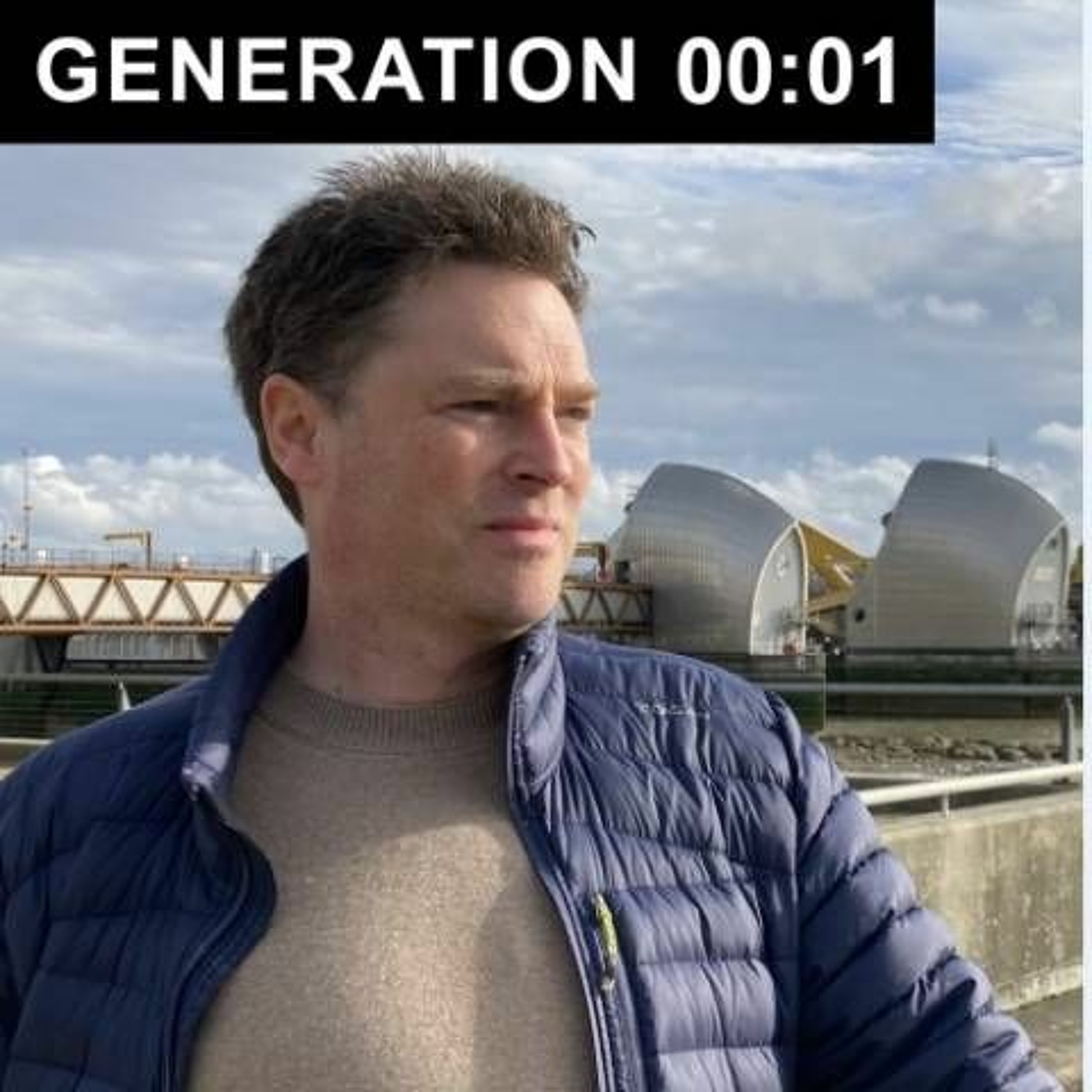
Date: 26 October 2021 Speaker: Mark Maslin, Professor of Earth System Science at UCL Geography Department About the UCL lunch hour lecture: Climate change is the most critical and controversial issue facing the world in the twenty-first century. Everyone agrees we must keep global warming to under 2˚C, and under 1.5˚C if possible. But how can we do this while dealing with the other great challenges of our age: global poverty, population growth, environmental degradation and global security. COP26 in Glasgow is almost upon us and Prof. Maslin shows us how we can save our Planet from climate change while improving everyone’s lives. This event is part of UCL’s climate campaign ‘Generation One’. Together we are the new generation taking responsibility for climate action and turning science into actionable ideas. Join our new era of climate action at ucl.ac.uk/generation-one

Date: 26 October 2021 Speaker: Mark Maslin, Professor of Earth System Science at UCL Geography Department About the UCL lunch hour lecture: Climate change is the most critical and controversial issue facing the world in the twenty-first century. Everyone agrees we must keep global warming to under 2˚C, and under 1.5˚C if possible. But how can we do this while dealing with the other great challenges of our age: global poverty, population growth, environmental degradation and global security. COP26 in Glasgow is almost upon us and Prof. Maslin shows us how we can save our Planet from climate change while improving everyone’s lives. This event is part of UCL’s climate campaign ‘Generation One’. Together we are the new generation taking responsibility for climate action and turning science into actionable ideas. Join our new era of climate action at ucl.ac.uk/generation-one
Generation UCL: 200 Years of Student Life in London UCL Minds Generation UCL is a research and engagement project that is collecting the stories of UCL alumni over 200 years. To give an insight into the breadth and diversity of the student experience, this series includes short extracts from these oral history interviews alongside excerpts from written memoirs that have been voiced by actors. Talking To Titans Talking to Titans is a podcast about gender equality in academia.In celebration of International Women’s Day 2020, Cathy Giangrande and Gudrun Moore speak to seven senior women who are the titans of their fields. Together, they discuss sexual harassment, racial inequality, mentorship, mental health, and success - no topic is off the table. They ask some of the big questions about diversity and inclusion, and spotlight the skills needed to fulfil your potential. How do you deal with the challenges women meet in male dominated environments? Is finding a mentor crucial to your well-being and advancement? Is it better to wait till you establish your career before you have children?Dr Gudrun Moore is Professor of Molecular Genetics at UCL, and Cathy Giangrande is a UCL Alumna and Conservation Scientist.This podcast was produced by Whistledown Productions for UCL Minds. Hosted on Acast. See <a sty Breast Screening - some inconvenient truths - Video The pro-screening lobby is locked into a mindset dating back to the late 1980s. Since then our understanding of the biology of breast cancer and its treatment has moved on whilst the screening programme continues without modification based on the results of trials reported in 1987. This lecture will discuss some of the harmful problems of this over-diagnosing system, and will look at the need for radical change to bring the entire programme up to date with modern practice based on risk assessment and risk management.This lecture marks Breast Cancer Awareness Month. Breast Screening - some inconvenient truths - Audio The pro-screening lobby is locked into a mindset dating back to the late 1980s. Since then our understanding of the biology of breast cancer and its treatment has moved on whilst the screening programme continues without modification based on the results of trials reported in 1987. This lecture will discuss some of the harmful problems of this over-diagnosing system, and will look at the need for radical change to bring the entire programme up to date with modern practice based on risk assessment and risk management.This lecture marks Breast Cancer Awareness Month.
URL copied to clipboard!