
EPISODE · Sep 8, 2025 · 7 MIN
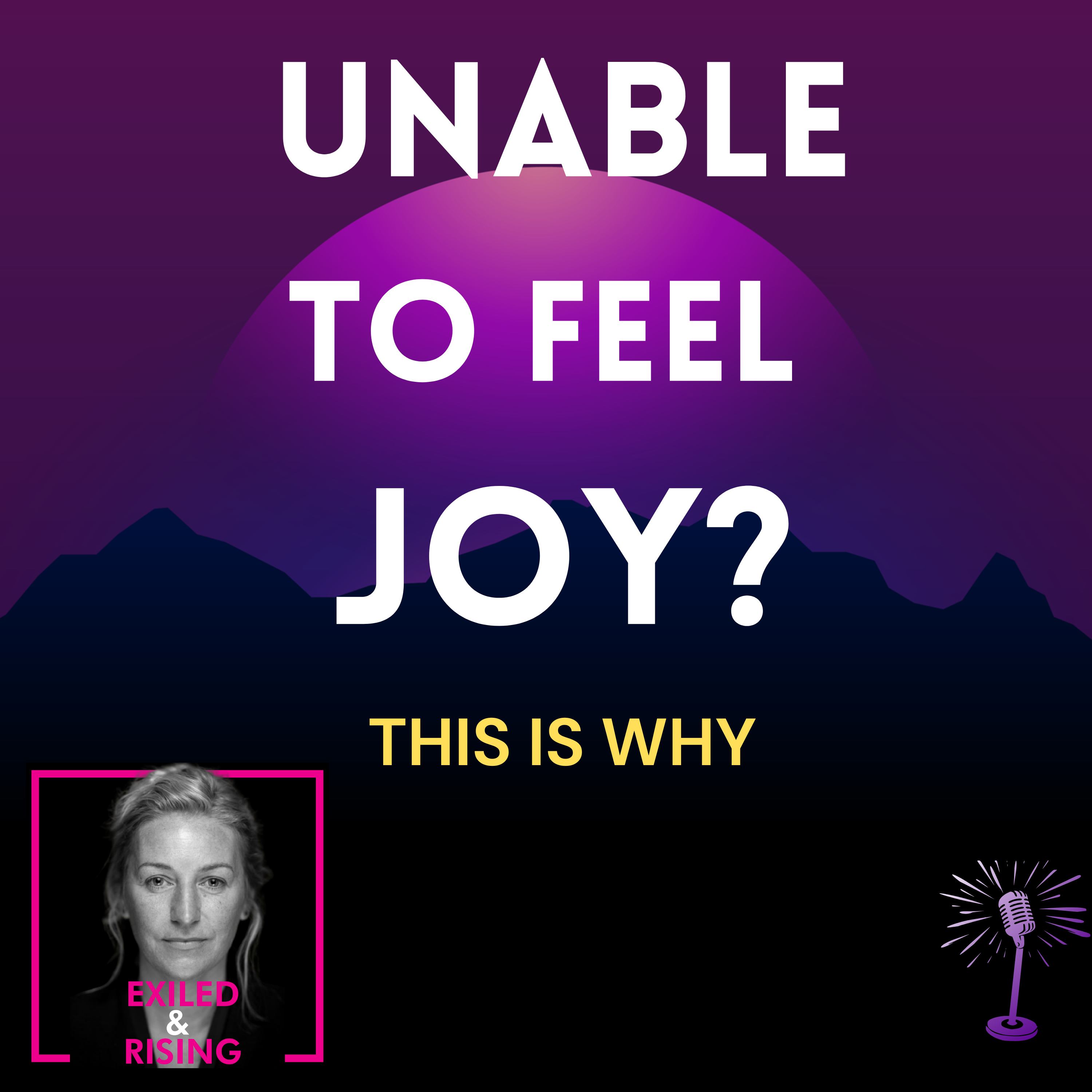
Impossible To Receive Love and Joy. The Trauma Behind “How Dare You Want More”
from Exiled & Rising: Trauma Recovery & Somatic Healing · host Ana Mael
Book: The Trauma We Don't Talk About https://amzn.to/41SjKKL Why is it so easy to give — but so hard to receive? If you struggle to accept love, help, compliments, or even pleasure, it’s not because you’re broken. It’s because trauma wires the body to equate receiving with danger. In this episode of Exiled & Rising, Ana Mael — Somatic Experiencing Therapist for PTSD and Trauma Recovery — explores how trauma, shame, and cultural conditioning teach survivors to make themselves invisible. Safety once meant giving without asking, serving without needing, and hiding desires. But over time, that survival strategy leaves you cut off from joy, intimacy, and vitality. You’ll learn: Why trauma makes receiving feel unsafe and giving feel easier How shame and guilt around desire are passed down through families, cultures, and communities The link between visibility, vulnerability, and intimacy struggles Why denying your needs robs you of vitality and intimacy How to begin practicing receiving — love, joy, touch, pleasure — without shame Ana reminds you: “It’s not because you don’t know how. It’s because someone shamed the desire out of you. Healing is reclaiming the right to receive.” This episode is especially powerful for survivors, couples struggling with intimacy, and anyone who has ever felt guilty for wanting more joy, love, or support. Want to go deeper? Check the link below for Ana’s somatic course on healing intimacy and learning to safely open, receive, and trust again. https://exiledandrising.mykajabi.com/offers/zchSQWb5 _________________________________ ✨ Distilled Lesson Healing intimacy and aliveness means reclaiming the right to receive. Trauma teaches that safety lies in invisibility and giving, but true vitality, joy, and intimacy return when survivors practice visibility, desire, and receiving without shame. Core Teachings: Trauma disrupts the capacity to receive. Survivors often default to giving and serving because receiving feels unsafe and vulnerable. Visibility = danger in trauma memory. Being seen — asking for help, naming desires, or expressing pleasure — recalls experiences of ridicule, shaming, or abuse. Safety was found in becoming invisible. Guilt and shame around desire are intergenerational. Families, communities, and cultures (especially those shaped by war, displacement, religion, or communal trauma) often impose narratives like “how dare you ask?” that suppress joy, pleasure, and individuality. Self-denial leads to loss of vitality. By refusing to receive — even something as simple as a compliment, help, or joy — survivors cut themselves off from nourishment, pleasure, and life-force. Healing begins with remembering who harmed you. Naming the source of shame helps survivors separate their authentic desires from inherited guilt. From there, they can practice receiving small moments of joy, touch, or support. Main Quotes “A life of trauma damages your ability to receive. Instead, it is easier for you to give and to serve others.” “When you express your desires, your dreams, and your pleasures you become open and vulnerable. With trauma, openness and vulnerability feel unsafe.” “How many times were you made to feel guilty for wanting?” “You are worthy of receiving and expressing your desires.” “When you stop yourself, remember who harmed you — and notice they are not with you now.” About Ana Mael: Ana Mael is a genocide survivor, somatic therapist, and author of The Trauma We Don’t Talk About. She is the founder of the Somatic Trauma Recovery Center and has dedicated her career to helping survivors reclaim their identity, dignity, and self-trust. With decades of lived experience, Ana offers a unique, unapologetic approach to healing t... Chapters (00:00:00) - Do You Receive or Only Give?: Trauma
What this episode covers
Book: The Trauma We Don't Talk About https://amzn.to/41SjKKL Why is it so easy to give — but so hard to receive? If you struggle to accept love, help, compliments, or even pleasure, it’s not because you’re broken. It’s because trauma wires the body to equate receiving with danger. In this episode of Exiled & Rising, Ana Mael — Somatic Experiencing Therapist for PTSD and Trauma Recovery — explores how trauma, shame, and cultural conditioning teach survivors to make themselves invisible. Safety once meant giving without asking, serving without needing, and hiding desires. But over time, that survival strategy leaves you cut off from joy, intimacy, and vitality. You’ll learn: Why trauma makes receiving feel unsafe and giving feel easier How shame and guilt around desire are passed down through families, cultures, and communities The link between visibility, vulnerability, and intimacy struggles Why denying your needs robs you of vitality and intimacy How to begin practicing receiving — love, joy, touch, pleasure — without shame Ana reminds you: “It’s not because you don’t know how. It’s because someone shamed the desire out of you. Healing is reclaiming the right to receive.” This episode is especially powerful for survivors, couples struggling with intimacy, and anyone who has ever felt guilty for wanting more joy, love, or support. Want to go deeper? Check the link below for Ana’s somatic course on healing intimacy and learning to safely open, receive, and trust again. https://exiledandrising.mykajabi.com/offers/zchSQWb5 _________________________________ ✨ Distilled Lesson Healing intimacy and aliveness means reclaiming the right to receive. Trauma teaches that safety lies in invisibility and giving, but true vitality, joy, and intimacy return when survivors practice visibility, desire, and receiving without shame. Core Teachings: Trauma disrupts the capacity to receive. Survivors often default to giving and serving because receiving feels unsafe and vulnerable. Visibility = danger in trauma memory. Being seen — asking for help, naming desires, or expressing pleasure — recalls experiences of ridicule, shaming, or abuse. Safety was found in becoming invisible. Guilt and shame around desire are intergenerational. Families, communities, and cultures (especially those shaped by war, displacement, religion, or communal trauma) often impose narratives like “how dare you ask?” that suppress joy, pleasure, and individuality. Self-denial leads to loss of vitality. By refusing to receive — even something as simple as a compliment, help, or joy — survivors cut themselves off from nourishment, pleasure, and life-force. Healing begins with remembering who harmed you. Naming the source of shame helps survivors separate their authentic desires from inherited guilt. From there, they can practice receiving small moments of joy, touch, or support. Main Quotes “A life of trauma damages your ability to receive. Instead, it is easier for you to give and to serve others.” “When you express your desires, your dreams, and your pleasures you become open and vulnerable. With trauma, openness and vulnerability feel unsafe.” “How many times were you made to feel guilty for wanting?” “You are worthy of receiving and expressing your desires.” “When you stop yourself, remember who harmed you — and notice they are not with you now.” About Ana Mael: Ana Mael is a genocide survivor, somatic therapist, and author of The Trauma We Don’t Talk About. She is the founder of the Somatic Trauma Recovery Center and has dedicated her career to helping survivors reclaim their identity, dignity, and self-trust. With decades of lived experience, Ana offers a unique, unapologetic approach to healing t...
NOW PLAYING
Impossible To Receive Love and Joy. The Trauma Behind “How Dare You Want More”
No transcript for this episode yet
Similar Episodes
Apr 15, 2026 ·28m
Mar 12, 2026 ·14m
Feb 17, 2026 ·21m
Feb 14, 2026 ·11m
Jan 5, 2026 ·61m
Dec 29, 2025 ·33m