
EPISODE · Jun 29, 2024 · 6 MIN
“Inferior Alveolar Nerve Blocks With Septocaine Can Cause What Complications?”
from Dr. Gallagher's Podcast · host Brendan Gallagher, DDS
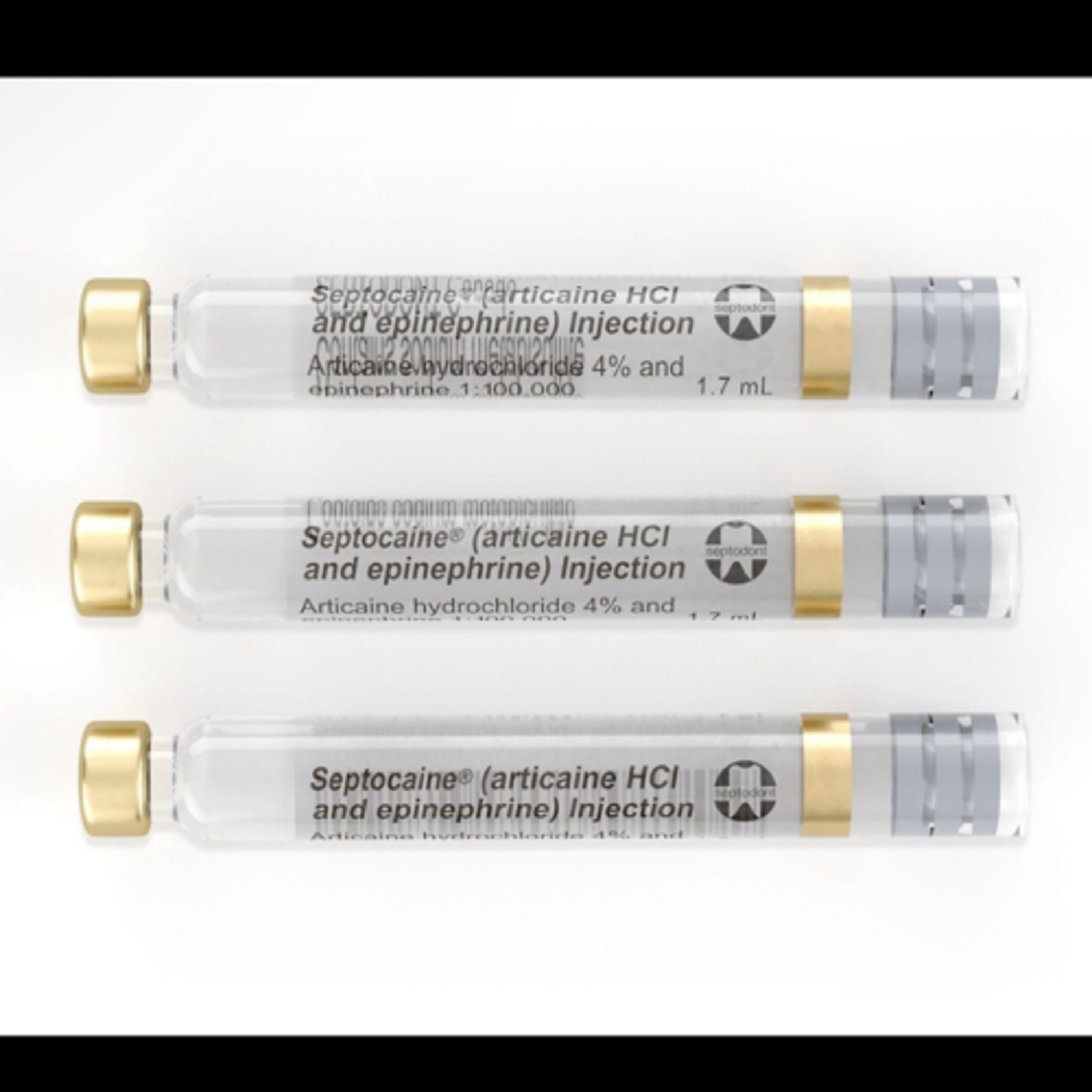
6.29.24 Quick Review #161 - #surgery #surgeon #doctorgallagher #oralsurgery #oralsurgeon #omfs #dentist #dentistry #dental #anesthesia #inferioralveolarnerve #septocaine #articaine Septocaine, which is a brand name for articaine, is a commonly used local anesthetic in dentistry. While it is generally considered effective and safe, there are some risks associated with its use: Risks and Complications: 1. Paresthesia: • One of the most notable risks associated with articaine, including Septocaine, is the potential for paresthesia. Paresthesia refers to a prolonged or permanent sensation of numbness or tingling. This complication is more commonly reported with articaine compared to other local anesthetics, though the overall incidence remains low. 2. Allergic Reactions: • Although rare, allergic reactions can occur with any local anesthetic. Symptoms may range from mild (rash, itching) to severe (anaphylaxis). 3. Methemoglobinemia: • Articaine can potentially cause methemoglobinemia, a condition where an abnormal amount of methemoglobin is produced, reducing the oxygen-carrying capacity of blood. This is a rare but serious complication. 4. Cardiovascular Effects: • As with other local anesthetics, there is a risk of cardiovascular complications such as hypotension, bradycardia, and arrhythmias, particularly if the anesthetic is inadvertently injected into a blood vessel. Studies and Literature: • Malamed et al. (2001) conducted a large-scale study and found that the incidence of paresthesia with articaine was higher compared to lidocaine. The study highlighted that articaine was responsible for a higher percentage of reported cases of paresthesia in inferior alveolar nerve blocks. • Haas and Lennon (1995) reviewed cases of paresthesia associated with local anesthetic use in dentistry and found a higher incidence associated with articaine. The authors suggested that articaine’s chemical structure might contribute to this increased risk. • Hargreaves and Burns (2012) noted that while articaine is effective for dental procedures, clinicians should be aware of the higher risk of paresthesia when used for mandibular blocks and consider this when choosing an anesthetic. References: 1. Haas, D. A., & Lennon, D. (1995). A 21 year retrospective study of reports of paresthesia following local anesthetic administration. Journal of the Canadian Dental Association, 61(4), 319-320. 2. Hargreaves, K. M., & Burns, R. (2012). Local anesthetic failure in endodontics: Mechanisms and management. Endodontic Topics, 1(1), 26-39. 3. Malamed, S. F., Gagnon, S., & Leblanc, D. (2001). Articaine hydrochloride: A study of the safety of a new amide local anesthetic. The Journal of the American Dental Association, 132(2), 177-185 4. ChatGPT. 2024. - #podcast #podcasts #dentalpodcast #dentalpodcasts #doctorgallagherpodcast #doctorgallagherspodcast #doctor #dentistry #oralsurgery #dental #viral #dentalschool #dentalstudent #omfs #surgeon #doctorlife #dentistlife #residency #oralsurgeon #dentist #doctorgallagher
What this episode covers
6.29.24 Quick Review #161 - #surgery #surgeon #doctorgallagher #oralsurgery #oralsurgeon #omfs #dentist #dentistry #dental #anesthesia #inferioralveolarnerve #septocaine #articaine Septocaine, which is a brand name for articaine, is a commonly used local anesthetic in dentistry. While it is generally considered effective and safe, there are some risks associated with its use: Risks and Complications: 1. Paresthesia: • One of the most notable risks associated with articaine, including Septocaine, is the potential for paresthesia. Paresthesia refers to a prolonged or permanent sensation of numbness or tingling. This complication is more commonly reported with articaine compared to other local anesthetics, though the overall incidence remains low. 2. Allergic Reactions: • Although rare, allergic reactions can occur with any local anesthetic. Symptoms may range from mild (rash, itching) to severe (anaphylaxis). 3. Methemoglobinemia: • Articaine can potentially cause methemoglobinemia, a condition where an abnormal amount of methemoglobin is produced, reducing the oxygen-carrying capacity of blood. This is a rare but serious complication. 4. Cardiovascular Effects: • As with other local anesthetics, there is a risk of cardiovascular complications such as hypotension, bradycardia, and arrhythmias, particularly if the anesthetic is inadvertently injected into a blood vessel. Studies and Literature: • Malamed et al. (2001) conducted a large-scale study and found that the incidence of paresthesia with articaine was higher compared to lidocaine. The study highlighted that articaine was responsible for a higher percentage of reported cases of paresthesia in inferior alveolar nerve blocks. • Haas and Lennon (1995) reviewed cases of paresthesia associated with local anesthetic use in dentistry and found a higher incidence associated with articaine. The authors suggested that articaine’s chemical structure might contribute to this increased risk. • Hargreaves and Burns (2012) noted that while articaine is effective for dental procedures, clinicians should be aware of the higher risk of paresthesia when used for mandibular blocks and consider this when choosing an anesthetic. References: 1. Haas, D. A., & Lennon, D. (1995). A 21 year retrospective study of reports of paresthesia following local anesthetic administration. Journal of the Canadian Dental Association, 61(4), 319-320. 2. Hargreaves, K. M., & Burns, R. (2012). Local anesthetic failure in endodontics: Mechanisms and management. Endodontic Topics, 1(1), 26-39. 3. Malamed, S. F., Gagnon, S., & Leblanc, D. (2001). Articaine hydrochloride: A study of the safety of a new amide local anesthetic. The Journal of the American Dental Association, 132(2), 177-185 4. ChatGPT. 2024. - #podcast #podcasts #dentalpodcast #dentalpodcasts #doctorgallagherpodcast #doctorgallagherspodcast #doctor #dentistry #oralsurgery #dental #viral #dentalschool #dentalstudent #omfs #surgeon #doctorlife #dentistlife #residency #oralsurgeon #dentist #doctorgallagher
NOW PLAYING
“Inferior Alveolar Nerve Blocks With Septocaine Can Cause What Complications?”
No transcript for this episode yet
Similar Episodes
Dec 5, 2025 ·50m
Oct 9, 2025 ·33m
Oct 3, 2025 ·40m
Sep 11, 2025 ·31m
Aug 27, 2025 ·39m
Aug 18, 2025 ·54m