PodParley PodParley

Inside the Iran War, China’s Hidden Role, and the Economic Shock About to Hit Your Wallet

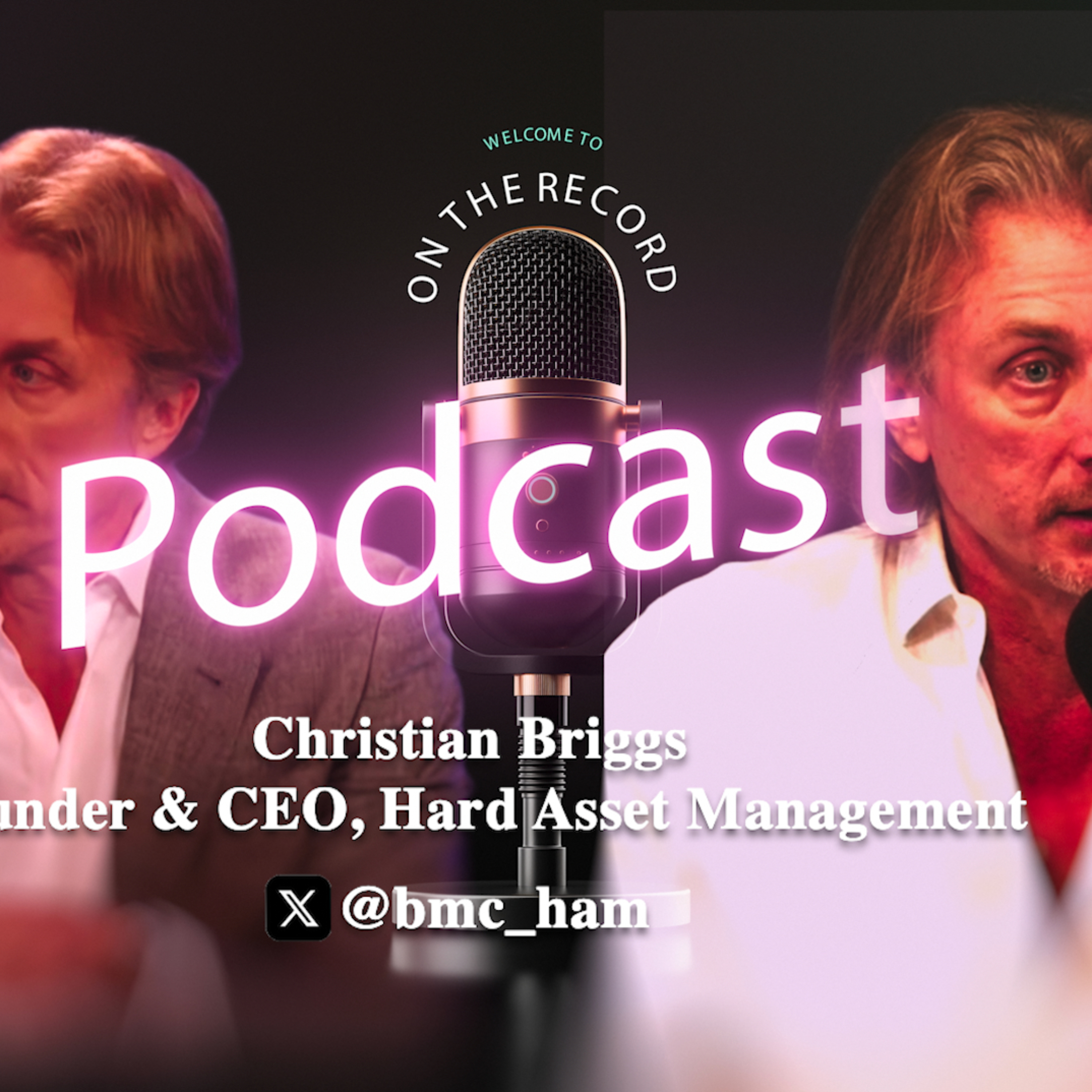
An episode of the Hard Asset Money Show podcast, hosted by Christian Briggs, titled "Inside the Iran War, China’s Hidden Role, and the Economic Shock About to Hit Your Wallet" was published on April 8, 2026 and runs 52 minutes.

April 8, 2026 ·52m · Hard Asset Money Show

0:00 / 0:00

In this episode of On the Record, Christian Briggs and political insider Chris Walker dive deep into the rapidly escalating Iran conflict—and why it may be far bigger than headlines suggest. What starts as a discussion about war quickly expands into a high-stakes conversation about global power, energy control, and the fragile state of the world economy.The episode opens by framing the current moment as unprecedented. Compared to past crises like the Iraq War or the 2008 financial collapse, both hosts agree today’s environment is more volatile, faster-moving, and interconnected. With multiple global flashpoints—China, Russia, Iran, and shifting alliances—the situation is described as “rocket fuel” compared to past turbulence. A central theme is the rationale behind the U.S. response to Iran. The discussion highlights several key motivations: preventing nuclear weapon development, ending state-sponsored terrorism, weakening Iran’s influence in the Middle East, and—critically—cutting off oil supplies to China. According to Briggs, these factors are deeply interconnected, with energy and geopolitics at the core of the conflict.Walker adds that from a policy perspective, the strategy is clear: if the U.S. is going to engage, it must “finish the job.” The goal isn’t just military success, but a long-term shift—removing the current Iranian regime and potentially transforming the country into a more stable, Western-aligned partner. Both hosts acknowledge this is a high-risk, high-impact strategy with global consequences.The conversation then shifts to the economic fallout, which may be the most immediate concern. Surging oil prices—at one point nearly doubling—are already rippling through the global economy. The hosts explain how energy costs affect everything: transportation, food, manufacturing, and everyday consumer goods. Rising fertilizer prices, supply chain disruptions, and increased production costs are expected to drive inflation higher across the board.They warn that this could create a cascading effect: higher grocery bills, reduced consumer spending, struggling businesses, and potential political fallout—especially with upcoming elections. Even industries like travel, hospitality, and agriculture are already feeling the strain.A key takeaway is that this is just the beginning. The conflict is only weeks old, and the full economic impact hasn’t yet been realized. While there is hope for a “short-term pain, long-term gain” outcome, the hosts emphasize that a prolonged conflict could significantly damage both the U.S. and global economy.Ultimately, the episode paints a picture of a world at a turning point—where war, energy, and economic policy collide, and the consequences could affect everything from global markets to everyday life.

In this episode of On the Record, Christian Briggs and political insider Chris Walker dive deep into the rapidly escalating Iran conflict—and why it may be far bigger than headlines suggest. What starts as a discussion about war quickly expands into a high-stakes conversation about global power, energy control, and the fragile state of the world economy.

The episode opens by framing the current moment as unprecedented. Compared to past crises like the Iraq War or the 2008 financial collapse, both hosts agree today’s environment is more volatile, faster-moving, and interconnected. With multiple global flashpoints—China, Russia, Iran, and shifting alliances—the situation is described as “rocket fuel” compared to past turbulence. 

A central theme is the rationale behind the U.S. response to Iran. The discussion highlights several key motivations: preventing nuclear weapon development, ending state-sponsored terrorism, weakening Iran’s influence in the Middle East, and—critically—cutting off oil supplies to China. According to Briggs, these factors are deeply interconnected, with energy and geopolitics at the core of the conflict.

Walker adds that from a policy perspective, the strategy is clear: if the U.S. is going to engage, it must “finish the job.” The goal isn’t just military success, but a long-term shift—removing the current Iranian regime and potentially transforming the country into a more stable, Western-aligned partner. Both hosts acknowledge this is a high-risk, high-impact strategy with global consequences.

The conversation then shifts to the economic fallout, which may be the most immediate concern. Surging oil prices—at one point nearly doubling—are already rippling through the global economy. The hosts explain how energy costs affect everything: transportation, food, manufacturing, and everyday consumer goods. Rising fertilizer prices, supply chain disruptions, and increased production costs are expected to drive inflation higher across the board.

They warn that this could create a cascading effect: higher grocery bills, reduced consumer spending, struggling businesses, and potential political fallout—especially with upcoming elections. Even industries like travel, hospitality, and agriculture are already feeling the strain.

A key takeaway is that this is just the beginning. The conflict is only weeks old, and the full economic impact hasn’t yet been realized. While there is hope for a “short-term pain, long-term gain” outcome, the hosts emphasize that a prolonged conflict could significantly damage both the U.S. and global economy.

Ultimately, the episode paints a picture of a world at a turning point—where war, energy, and economic policy collide, and the consequences could affect everything from global markets to everyday life.

People Focus Podcast Talk Staff Join us as we celebrate the most important asset that we all have – our people – the people that help keep our businesses running each and every day, the people that motivate us when times are hard, help us make decisions that don’t always feel like they’re the right ones and challenge us when we need to stay on track to achieve the overall company mission – the purpose behind why we do what we do. Jake & Gino: Real Estate Investing & Multifamily Jake & Gino Real estate investing, multifamily, and apartment investing—where real estate meets real business ownership. Hosted by investor-entrepreneurs Jake Stenziano and Gino Barbaro, the show goes beyond buying apartments to teach you how to build a durable, well-run real estate business. Each episode blends deal analysis, market insights, leadership lessons, and hard-earned operating experience from owning and managing thousands of units. Whether you’re just starting out or scaling a portfolio, Jake & Gino deliver practical education, honest conversations, and proven frameworks to help you grow cash flow, build systems, and create long-term wealth—without losing sight of family, values, and purpose.Also included under The Jake & Gino umbrella:How To: From real estate underwriting and asset management to organizational structure and owner mindset, How To delivers clear frameworks and actionable guidance for investors who want to build and operate a real estate business with clarity, discipli Hard Truth With David Vance & Ilana Mercer David Vance & Ilana Mercer US author, commentator and paleolibertarian Ilana Mercer and UK author and commentator David Vance team up to tackle the big topical issues, without fear or prejudice. In a tough world, we need hard truth. Hard Rocking Trivia Show HARD ROCKING TRIVIA SHOW 70's & 80's Hard Rock, Hairband, Classic Rock, and Heavy Metal Trivia Podcast.
URL copied to clipboard!