
EPISODE · Nov 21, 2024 · 12 MIN
Instability in Greece and Turkey and the Breakdown of the Grand Alliance
from Mr. Hutchings History · host Produced, created, and written by Harold M. Hutchings
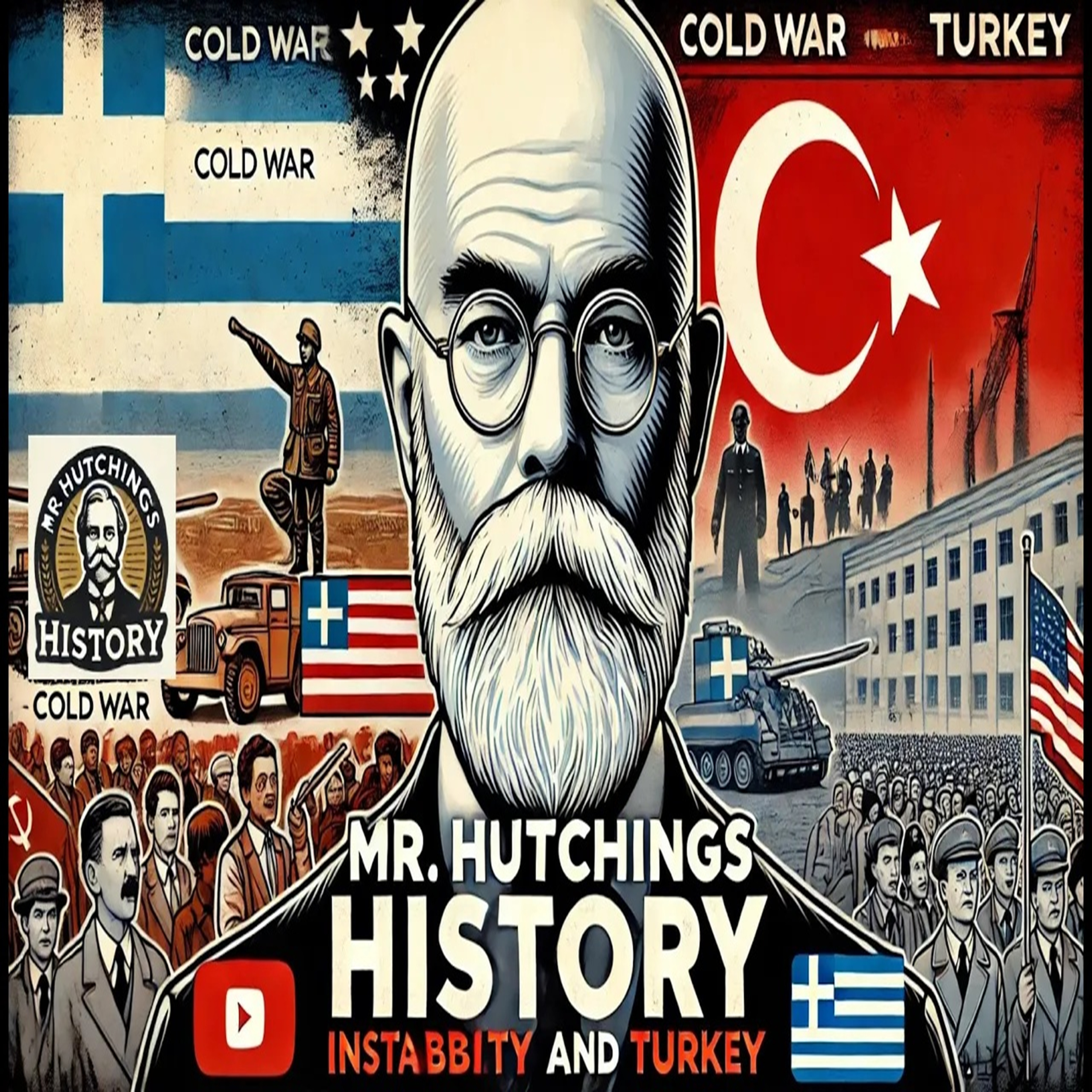
Welcome to Mr. Hutchings History! In today’s episode, we explore the geopolitical instability in Greece and Turkey after WWII and how these conflicts contributed to the collapse of the Grand Alliance between the Soviet Union, the United States, and Great Britain. We examine the Truman Doctrine, Soviet pressure, and the U.S. response, highlighting the growing ideological and strategic divides that set the stage for the Cold War. The episode looks at key events, including the civil war in Greece and Soviet demands in Turkey, through the lens of various historiographical perspectives.Historiographical Perspectives:Orthodox School: Views Soviet actions as aggressive expansionism, prompting Western intervention.Revisionist School: Suggests U.S. overreaction, misinterpreting nationalist movements as Soviet-backed.Realist School: Focuses on strategic concerns, with U.S. and British actions driven by geopolitical interests.Post-Revisionist School: Acknowledges both Soviet provocations and Western overreactions, contributing to the breakdown.This episode delves into the early stages of the Cold War, where both sides acted to secure influence in critical regions. Join us as we explore how the events in Greece and Turkey became the first battlegrounds in this global struggle.#Paper2WorldHistory #ColdWar #GrandAlliance #TrumanDoctrine #GreeceTurkey #SovietExpansion #Containment #PostWWII #Geopolitics #Truman #ColdWarOriginsWorks CitedGaddis, John Lewis. The Cold War: A New History. Penguin, 2005.Kennan, George F. Memoirs: 1925-1950. Pantheon, 1967.Leffler, Melvyn P. For the Soul of Mankind: The United States, the Soviet Union, and the Cold War. Hill and Wang, 2007.Williams, William Appleman. The Tragedy of American Diplomacy. W. W. Norton, 1959.Chapters(0:00) Introduction – Cold War Tensions RiseHow instability in Greece and Turkey became an early flashpoint in the Cold War.(0:12) Greece and Turkey After WWII – A Region in CrisisWhy these nations became battlegrounds for ideological and strategic conflict.(1:00) Greece’s Civil War – Democracy vs. CommunismHow Greece’s internal struggle turned into a proxy war between superpowers.(2:18) Soviet Interests in the DardanellesWhy Stalin’s push for control of key waterways alarmed the West.(3:44) The West Reacts – Fear of Soviet ExpansionHow British and American leaders viewed Greece and Turkey as critical to containment.(4:55) The Truman Doctrine – A Defining MomentHow the U.S. pledged to counter the spread of Communism worldwide.(6:01) Military and Economic Aid – Supporting Greece and TurkeyHow U.S. financial and military assistance stabilized the region.(7:05) The Soviet Response – A Deepening DivideHow Moscow viewed the Truman Doctrine as an act of aggression.(8:10) Historical Debate – Orthodox, Revisionist, and Realist ViewsDifferent interpretations of U.S. and Soviet actions in Greece and Turkey.(9:22) The Global Impact – A New Era of Cold War RivalryWhy this crisis set the stage for future U.S. foreign policy decisions.(10:41) The Legacy – Why Greece and Turkey Still MatterHow Cold War strategies shaped modern geopolitics.(12:05) Conclusion – Lessons from HistoryHow understanding these events helps us make sense of today’s world.
Embed this episode
NOW PLAYING
Instability in Greece and Turkey and the Breakdown of the Grand Alliance
No transcript for this episode yet
Similar Episodes
No similar episodes found.
Similar Podcasts
No similar podcasts found.