
EPISODE · Feb 16, 2026 · 16 MIN
Introduction to Earthquake Protection of Non-Structural Elements in Buildings
from Civil Engineering Made Simple · host Civil Engineering Made Simple
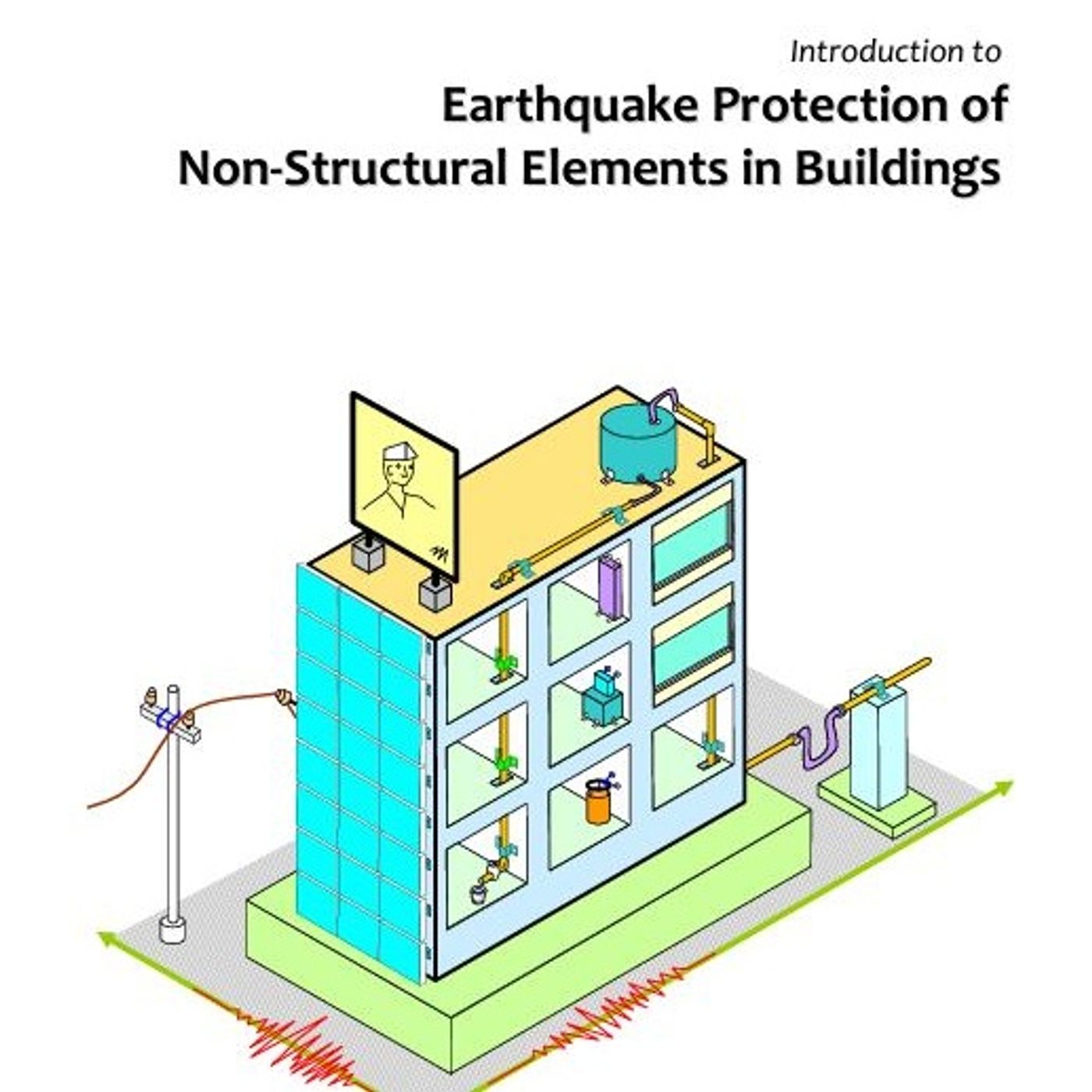
Examines the critical role of non-structural elements (NSEs) in maintaining building safety and functionality during earthquakes. While modern engineering often focuses on the main skeleton of a building, these sources highlight that items like cladding, utilities, and interior furniture now account for the majority of construction costs and seismic financial losses. The documentation categorizes these components into engineered, pre-engineered, and non-engineered groups, emphasizing that unanchored items are prone to dangerous sliding or toppling. To mitigate these risks, the text provides technical formulas and historical case studies to support the necessity of formal anchorage systems and flexible connectors. By integrating these secondary items into structural analysis, designers can prevent the life-threatening collapses and operational disruptions seen in past disasters like the Bhuj and Northridge earthquakes. Proper protection strategies, such as bolting equipment and providing slack in utility lines, are presented as essential requirements for comprehensive seismic resilience.You can listen and download our episodes for free on more than 10 different platforms:https://linktr.ee/civil_engineering_made_simpleProduced by:https://www.podcaistudio.com/
Embed this episode
Ready to play
Introduction to Earthquake Protection of Non-Structural Elements in Buildings
No transcript for this episode yet
Similar Episodes
No similar episodes found.
Similar Podcasts
No similar podcasts found.