
EPISODE · Mar 8, 2026 · 2 MIN
Iran War Day 9: Tehran Oil Sites Bombed, Iran Drones Strike Gulf – Hormuz Still | Rapid Read 8 Mar 2026
from Geopolitics Unplugged · host GeopoliticsUnplugged
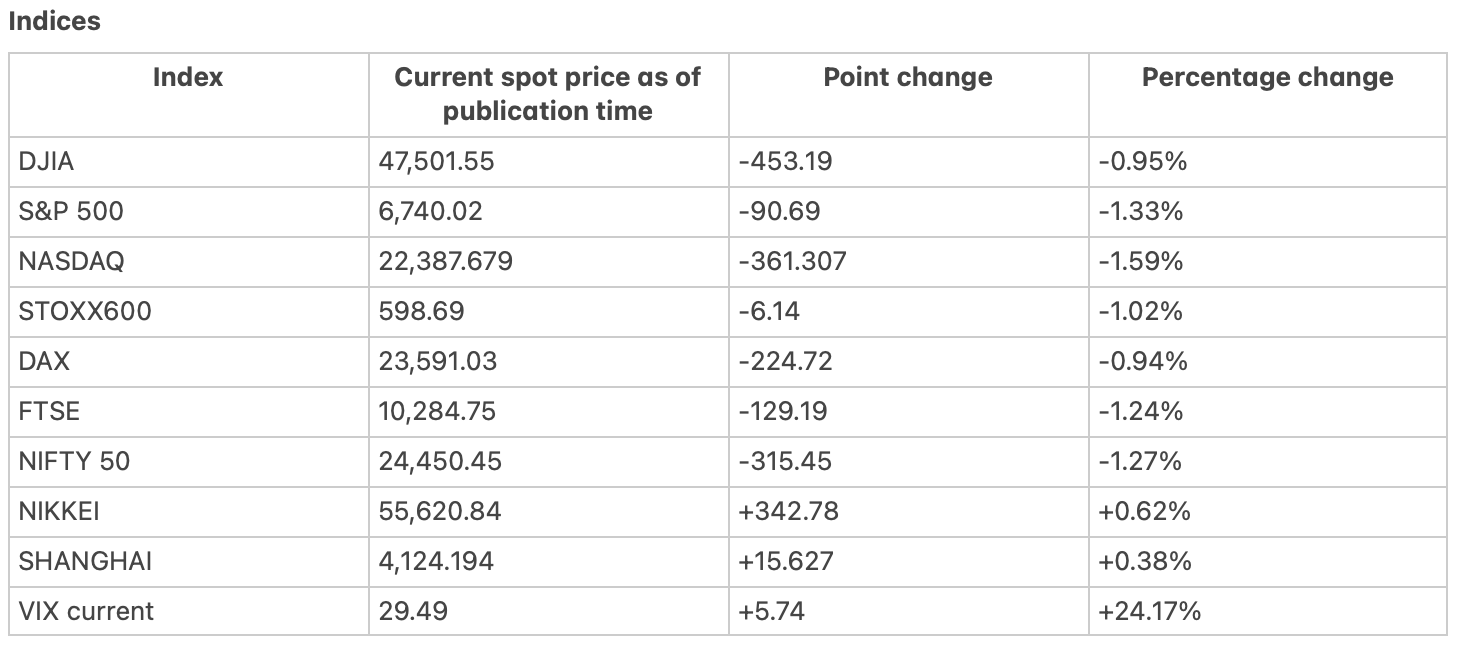
SPECIAL EDITION ATTACK ON IRAN AND CONSEQUENCES DAY 9:Update on US-Israel vs. Iran Conflict (Last 24 Hours: March 7, 2026, 06:23 AM EDT to March 8, 2026, 06:23 AM EDT)Based on verified reports from the specified period, the conflict has involved continued airstrikes by US and Israeli forces on Iranian energy and military infrastructure, Iranian retaliatory drone and missile attacks on Gulf states, and related mobilizations. Cyber disruptions in Iran persist.Tankers and Shipping* A second bulk carrier, the Liberia-flagged Sino Ocean (owned and managed by Chinese companies), passed through the Strait of Hormuz on March 7, 2026, after loading cargo in the UAE on March 5. It broadcast a signal as “CHINA OWNER_ALL CREW” with transponders active. Traffic through the strait remains nearly halted, with dozens of bulk carriers and oil/gas tankers anchored in the Persian Gulf.Insurance and Reinsurance* On March 7, 2026, the US administration announced a $20 billion reinsurance program to revive shipping through the Strait of Hormuz, potentially including US military escorts, though details are unspecified.Refineries, Oil Fields, and Gas Fields in the Region* US and Israeli forces struck five oil facilities in and near Tehran overnight on March 7-8, 2026, including four oil depots and a petroleum products transport center in Tehran and Alborz provinces. Fires were controlled, but facilities sustained damage. Israeli strikes also targeted fuel storage complexes of the Iranian Revolutionary Guard Corps on March 8, 2026. No additional attacks on oil or gas fields were reported.Worldwide Shutdowns, Throttle Downs, or Force Majeure* ADNOC (Abu Dhabi National Oil Company) is managing offshore output levels to address storage needs, while onshore operations continue, using bypass export capacity like the Habshan-Fujairah Pipeline. Kuwait Petroleum Corporation began cutting oil output on March 7, 2026, and declared force majeure.Impacts of Shutdowns or Slowdowns* The Strait of Hormuz closure has disrupted 20% of global oil and LNG supply, leading to multi-year high oil prices and reduced LNG imports (down 60% in some areas like India). Natural gas marketers have cut supplies to industrial customers in India. Global markets face supply gaps, with countries like India relying on inventories (over 250 million barrels, sufficient for 50 days).Kinetic Damage in Iran* US and Israeli airstrikes hit five oil sites (depots and transport center) in and near Tehran overnight on March 7-8, 2026, causing damage and fires that were controlled. Israeli forces struck Revolutionary Guard fuel storage complexes on March 8, 2026. Actors: US and Israeli forces using aircraft. Targets selected to damage military infrastructure and disrupt regime sustainment.Kinetics from the Last 24 Hours* Iranian forces launched drone and missile attacks on Gulf infrastructure on March 8, 2026: In UAE, missiles and drones intercepted, with debris damaging buildings in Dubai (one death); in Bahrain, a drone hit a desalination plant (material damage) and missile fragments injured three at a university; in Kuwait, drones struck two airport fuel depots (causing fire) and a government building (material damage). Weapons: Ballistic missiles, drones, loitering munitions. Targets: Infrastructure in UAE, Bahrain, Kuwait, to defend sovereignty. By: Iran.* Azerbaijan foiled Iranian plots on March 7, 2026, including a plan to attack the BTC oil pipeline using over 7 kg of C-4 explosives. No successful kinetics.* Mobilizations: US deployed B-1B Lancer bombers to UK on March 7, 2026, for potential expanded strikes. UK halved readiness time for HMS Prince of Wales carrier to 5 days on March 7, 2026.* Cyber: Iran’s internet blackout extended into its second week on March 7, 2026, with traffic at 1% of normal, due to state suppression and possible external cyber disruptions.Direct Quotes from Leaders* Donald Trump (US President): “Today Iran will be hit very hard! Under serious consideration for complete destruction and certain death, because of Iran’s bad behavior, are areas and groups of people that were not considered for targeting up until this moment in time.”* Trump: “Iran is no longer the ‘Bully of the Middle East,’ they are, instead, ‘THE LOSER OF THE MIDDLE EAST,’ and will be for many decades until they surrender or, more likely, completely collapse!”* Trump: “Based on what I’ve seen, that was done by Iran.” (on a strike hitting a girls’ school).* Trump: “We’re very friendly with the Kurds, as you know, but we don’t want to make the war any more complex than it already is. I have ruled that out, I don’t want the Kurds going in.”* Trump: “There would have to be a very good reason” (for deploying US ground troops to Iran).* Trump: “The United Kingdom, our once Great Ally, maybe the Greatest of them all, is finally giving serious thought to sending two aircraft carriers to the Middle East. That’s OK, Prime Minister Keir Starmer, we don’t need them any longer — But we will remember. We don’t need people that join Wars after we’ve already won!”* Trump: “I said unconditional, not conditional. I said unconditional. It’s where they cry uncle or when they can’t fight any long- -- longer, there’s nobody around to cry uncle. That could happen too, is, you know, we’ve wiped out their leadership numerous times already. So it’s, uh, if they surrender or if there is nobody around to surrender, but they’re rendered useless in terms of military.”* Trump: “I think when you look, I mean, they’re sending in much less, much less drones. Uh, they’re being decimated. Now, you know, at some point, I don’t think there’ll be anybody left maybe to say, uh, ‘We surrender,’ that they’re being decimated.”* Trump: “When this ends, we’re gonna have a much safer world, you know that, so you know this is a minor excursion. But when this ends, we’re gonna have a much safer world, and we will have gotten rid of a lot of sick and demented people, the leadership. So, we got rid of the one leadership, then we got rid of the second level of leadership. Now, they’re on their third or fourth level of leadership, and they have leaders right now that nobody even knows who they are.”* Masoud Pezeshkian (Iranian President): “I should apologize to the neighboring countries that were attacked by Iran, on my own behalf... From now on, they should not attack neighboring countries or fire missiles at them, unless we are attacked by those countries. I think we should solve this through diplomacy.”* Abbas Araghchi (Iranian Foreign Minister): “If President Trump seeks escalation, it is precisely what our Powerful Armed Forces have long been prepared for, and what he will get.”* Ali Larijani (Iran’s Supreme National Security Council Secretary): “When the enemy attacks us from regional bases, we respond to it and will respond; this is our right and a consistent policy.”Analysis of ImpactsFirst-order impacts are the immediate, direct consequences of actions. Here, they include physical damage from strikes (e.g., fires at Tehran oil depots and Gulf infrastructure, with at least one death in UAE) and human casualties (e.g., three injuries in Bahrain). These cause local disruptions, such as reduced facility operations.Second-order impacts emerge from first-order effects, affecting interconnected systems. Examples: Output cuts by ADNOC and Kuwait lead to storage constraints and supply gaps, exacerbating global oil price spikes; internet blackout hinders communication and documentation in Iran. Hypothesized: Reduced exports could strain refineries in Asia, increasing costs for fuel and goods.Third-order impacts involve broader ripple effects on societies or economies. Potential: Disruptions prompt waivers for alternative supplies (e.g., US allowing India Russian oil), stabilizing short-term markets but risking alliance tensions; foiled plots like in Azerbaijan heighten regional security concerns. Hypothesized: Prolonged shortages may lead to industrial slowdowns in energy-dependent sectors, affecting global trade.Fourth-order impacts are long-term systemic changes. Hypothesized: Escalation could shift energy dependencies (e.g., accelerating non-Gulf sourcing), alter geopolitical alliances (e.g., US rejecting UK aid strains NATO), or prompt regime instability in Iran if infrastructure damage persists, potentially leading to broader Middle East realignments.All information above is cross-verified from primary news sources reporting on daily events and statements only. The situation remains fluid. This is aggregated information and as such is subject to revision, withdrawal, clarification or change.BACK TO OUR NORMAL RAPID READ WHAT SUBSCRIBERS GET EVERY DAY…Shock LineUS and Israeli strikes escalate, targeting Tehran’s oil infrastructure, while Iran’s drones hit Gulf states.What Changed (Last 24 Hours)* US and Israeli forces struck five oil sites in and near Tehran, including depots and a transport center.* Iranian drones and missiles hit UAE, Bahrain, and Kuwait infrastructure, causing limited damage and one death.* US deployed B-1B Lancer bombers to UK for potential expanded strikes on Iran.* US announced $20 billion reinsurance program to revive Strait of Hormuz shipping with possible military escorts.* Guinea’s military government banned 40 political parties, consolidating power.* Taiwan’s Premier visited Japan, strengthening ties despite China’s objections.Why This Matters (The System)Security-First Energy Regime* Control over energy flows trumps market pricing.* Access to infrastructure overrides ownership claims.* Force shapes outcomes more than diplomacy.What Breaks Next (Forward Risk)* If strikes persist, Brent spreads widen to $100+/barrel, straining Asian refineries by Q2 2026.* If Iran escalates Gulf attacks, UAE and Kuwait lose export optionality, limited by pipeline capacity (e.g., Habshan-Fujairah at 1.5 mb/d).* If US escalates unilaterally, NATO cohesion frays, with UK carrier rejection signaling first-mover advantage loss.* If Guinea’s party bans hold, regional unrest spikes, disrupting bauxite exports critical for aluminum by mid-2026.* If Taiwan-Japan ties deepen, China may impose trade restrictions, impacting semiconductor supply chains within 90 days.* Infrastructure damage and internet blackouts in Iran cap rapid retaliation, delaying counterstrikes by weeks.Signal vs. NoiseSignal:* Tehran oil site strikes reduce Iran’s export capacity.* US reinsurance program unlocks Hormuz shipping potential if credibly received.* Guinea’s political bans shift West African stability.Noise:* Leader rhetoric on escalation lacks new commitments.* Nord Stream discussions distract from immediate energy flows.The Line to RememberEnergy control is now a weapon, not a market.Community Notes:We are very happy to announce that we have a new YouTube page.PLEASE go to www.YouTube.com/@GeopoliticsUnpluggedRapidRead and SUBSCRIBE.NO PAYWALL ON THE WEEKENDS.PLEASE ENJOY AND CONSIDER UPGRADING TO PAIDMarket Snapshot as of publication time noted above (not to be relied on for trading purposes):Detailed News Summary:What Firepower Could Three U.S. Aircraft Carrier Strike Groups Deliver Against Iran?http://worlddefencenews.blogspot.com/2026/03/what-firepower-could-three-us-aircraft.htmlThe article explores the potential military capabilities of deploying three U.S. aircraft carrier strike groups in a conflict with Iran, emphasizing their combined airpower, missile systems, and naval assets as a formidable force for precision strikes and air superiority. It details how each group includes an aircraft carrier with dozens of fighter jets, supported by cruisers, destroyers, and submarines equipped with Tomahawk missiles, enabling sustained operations over vast distances. Analysts in the piece argue that such a deployment could overwhelm Iranian defenses through coordinated attacks on key infrastructure, though it raises concerns about escalation and regional stability amid ongoing tensions.Trump urges Latin American leaders to use military to help the U.S. fight cartelshttps://www.cnbc.com/2026/03/07/trump-looks-to-turn-attention-to-western-hemisphere-at-least-for-a-moment-at-a-regional-summit.htmlPresident Trump hosted the Shield of the Americas Summit at his Miami golf club, urging Latin American leaders to deploy militaries against drug cartels and gangs, modeling the effort after the coalition against the Islamic State. He emphasized reasserting U.S. dominance in the region to counter Chinese influence, including pressuring countries to exit Beijing’s Belt and Road Initiative and reviewing infrastructure deals. Attendees from over a dozen nations discussed anti-narcotics cooperation, but experts noted reluctance due to unpopular U.S. policies on tariffs and militarization, contrasting with China’s trade and investment offers. The summit highlighted Trump’s focus on hemispheric security amid global crises like the Iran conflict.Xi Slams Disloyal Military Officials After Unprecedented Purgehttps://www.bloomberg.com/news/articles/2026-03-07/xi-slams-disloyal-military-officials-after-unprecedented-purgeChinese President Xi Jinping warned military delegates during the national parliamentary session that disloyalty to the Communist Party and corruption would not be tolerated, urging a continued crackdown described as the largest military purge in half a century. He stated there must be no room for disloyal individuals or hiding places for corrupt officials, emphasizing the need to strengthen party loyalty within the People’s Liberation Army and armed police. The remarks come amid ongoing efforts to root out internal threats, reflecting Xi’s focus on consolidating control over the military. Observers note this purge underscores broader concerns about stability and readiness in China’s armed forces.Trump vows new targets in strikes on Iranhttps://www.argusmedia.com/pages/NewsBody.aspx?id=2798115&menu=yesPresident Trump threatened additional military strikes on Iran, claiming the country had apologized and surrendered to neighbors after U.S. and Israeli attacks, with new targets under consideration if needed. Iranian President Masoud Pezeshkian announced a halt to attacks on neighboring countries unless they originated from their territory, offering an apology to affected states. Despite this, missile and drone activities continued, with the UAE and Saudi Arabia intercepting numerous threats targeting infrastructure like oil fields and airports. The conflict has driven crude oil prices up significantly, while the U.S. reinforces its naval presence in the region with carrier groups.Guinea Dissolves 40 Political Parties, Including Main Oppositionhttps://www.bloomberg.com/news/articles/2026-03-07/guinea-dissolves-40-political-parties-including-main-oppositionGuinea’s military government has banned 40 political parties, including major opposition groups led by exiled former prime ministers Cellou Dalein Diallo and Sidya Touré, as well as the party of ousted President Alpha Condé. This action expands on previous dissolutions since the 2021 coup, aiming to consolidate power amid political instability. The move raises concerns about democratic backsliding and potential unrest in the resource-rich nation. International observers note that such restrictions could hinder fair elections and exacerbate tensions in Guinea’s already fragile political landscape.Trump says Iran ‘will be hit very hard’ despite apology for striking neighborshttps://thehill.com/policy/international/5772792-donald-trump-iran-strikes/President Trump vowed to continue strikes against Iran, warning of potential complete destruction for certain areas due to Iran’s actions, despite an apology from Iranian President Masoud Pezeshkian for regional attacks. Pezeshkian rejected unconditional surrender demands and halted strikes unless provoked from neighboring territories, emphasizing diplomacy. The conflict has caused over 1,300 deaths in Iran and several in Israel and U.S. forces, with explosions reported in UAE cities. Trump dismissed the apology as forced by relentless U.S. and Israeli pressure, declaring Iran weakened as the “loser of the Middle East.”Iran’s internet blackout extends into second week: NetBlockshttps://www.cnbc.com/2026/03/07/irans-internet-blackout-extends-into-second-week-netblocks.htmlIran’s near-total internet blackout has persisted into its second week, reducing traffic to about 1% of normal levels, as monitored by NetBlocks, amid U.S. and Israeli airstrikes targeting nuclear and missile capabilities. Experts attribute the disruption to a mix of government-imposed restrictions and external cyber interference, isolating citizens from communication and updates during the conflict. Iran has a history of such shutdowns during unrest, and cybersecurity firms anticipate retaliatory cyberattacks from Iranian actors. The lack of connectivity exacerbates the fog of war and hinders documentation of events.Azerbaijan says it foils Iranian plots including plan to attack major pipelinehttps://boereport.com/2026/03/07/azerbaijan-says-it-foils-iranian-plots-including-plan-to-attack-major-pipeline/Azerbaijan thwarted sabotage plots by Iran’s Islamic Revolutionary Guard Corps, including an attack on the Baku-Tbilisi-Ceyhan pipeline, which supplies a third of Israel’s oil, as well as targets like the Israeli embassy and a synagogue. Authorities arrested suspects smuggling explosives and issued warrants for others, amid strained relations due to Azerbaijan’s ties with Israel and Turkey. The incidents follow Iranian drones entering Azerbaijani airspace, prompting evacuation of diplomats from Iran. Such disruptions could spike global energy prices during the ongoing Middle East conflict.UK Prepares HMS Prince of Wales Aircraft Carrier for Middle East Deployment Amid US-Israel-Iran Conflicthttps://armyrecognition.com/news/navy-news/2026/uk-prepares-hms-prince-of-wales-aircraft-carrier-for-middle-east-deployment-amid-us-israel-iran-conflictThe UK has accelerated the readiness of HMS Prince of Wales, a Queen Elizabeth-class carrier, reducing deployment time to five days to support potential operations in the Middle East amid U.S.-Israel-Iran tensions. The carrier can operate up to 36 F-35B jets and helicopters, backed by a strike group including destroyers for air defense and frigates for anti-submarine warfare. If deployed, it would integrate with U.S. and NATO forces to protect shipping lanes like the Strait of Hormuz from threats such as missiles and drones. This move signals allied preparedness without confirming immediate action.Hegseth on reports of Russia helping Iran: ‘No one’s putting us in danger’https://thehill.com/policy/defense/5772862-hegseth-russia-iran-military-operation/Defense Secretary Pete Hegseth dismissed concerns over Russia aiding Iran in targeting U.S. bases, asserting that no one endangers American forces and commanders mitigate risks effectively. He criticized media for focusing on setbacks while ignoring U.S. control over Iranian airspace and waterways. President Trump evaded questions on Russian interference, calling them irrelevant. Russia condemned U.S.-Israel strikes as aggression, amid casualties including six U.S. service members in Kuwait. The U.S. is easing Russian oil restrictions to stabilize global prices during the conflict.Sweden Boards Suspected ‘Stateless’ Cargo Ship in Baltic Seahttps://gcaptain.com/sweden-boards-suspected-stateless-cargo-ship-in-baltic-sea/Swedish authorities boarded the cargo ship Caffa in the Baltic Sea after determining its unclear flag status rendered it stateless, allowing intervention under maritime law. The vessel, en route from Morocco to Russia, is under investigation for seaworthiness violations, with crew interviews and searches ongoing. Media reports suggest it may carry stolen Ukrainian grain, highlighting enforcement against sanctions evasion. This action reflects Europe’s increased scrutiny of suspicious shipping amid geopolitical tensions.U.S. Brokers Major Gold Deal With Venezuela’s State Mining Companyhttps://oilprice.com/Metals/Gold/US-Brokers-Major-Gold-Deal-With-Venezuelas-State-Mining-Company.htmlThe U.S. facilitated a deal for Venezuela’s Minerven to sell 650-1,000 kilograms of gold doré bars to Trafigura, valued at around $163,000 per kilogram, redirecting exports to American refineries amid efforts to stabilize Venezuela’s economy post-Maduro capture. Interior Secretary Doug Burgum negotiated the agreement, linked to oil deals, aiming to curb black-market smuggling and use revenues for U.S. product purchases. President Trump praised the cooperation with interim leader Delcy Rodríguez, who plans mining reforms. Critics decry it as imperialism, prioritizing U.S. interests over Venezuelan aid.Trump revamps war on drugs with ‘Shield of the Americas’ endeavorhttps://thehill.com/homenews/administration/5772926-donald-trump-shield-of-americas-war-on-drugs-noem/President Trump launched the Shield of the Americas coalition at a Miami summit, committing 17 nations to use lethal military force against drug cartels, modeled after anti-ISIS efforts. He urged leaders to provide intelligence for U.S. strikes, highlighting recent operations and Venezuela’s regime change. Trump addressed the Iran conflict, claiming progress in Operation Epic Fury and justifying strikes to prevent nuclear threats. The initiative follows Kristi Noem’s appointment as special envoy, emphasizing hemispheric security amid global challenges.Second Bulk Carrier Claiming To Be Chinese Passes Through Hormuzhttps://gcaptain.com/second-bulk-carrier-claiming-to-be-chinese-passes-through-hormuz/A Liberia-flagged bulk carrier, Sino Ocean, signaled Chinese ownership while transiting the Strait of Hormuz, the second such vessel this week amid halted traffic due to U.S.-Israel-Iran conflict. Owned and managed by Chinese firms, it loaded cargo in the UAE before exiting safely. Dozens of laden ships remain anchored in the Gulf, disrupting global energy flows and raising concerns over potential Iranian threats to commercial shipping. The passage highlights efforts by some operators to maintain trade despite heightened risks in the region.U.S. Deploys B-1B Lancer Bombers to UK Ahead of Possible Large-Scale Strikes on Iranhttp://worlddefencenews.blogspot.com/2026/03/us-deploys-b-1b-lancer-bombers-to-uk.htmlThe United States has deployed B-1B Lancer bombers to RAF Fairford in the United Kingdom as part of preparations for potential large-scale operations against Iran. These long-range strategic bombers are capable of carrying substantial payloads of precision-guided munitions and standoff weapons, allowing strikes deep into enemy territory without requiring forward basing. The deployment enhances U.S. flexibility in the European theater and provides rapid response options amid escalating tensions in the Middle East. Military analysts view this move as a clear signal of readiness for expanded air campaigns if diplomatic efforts fail.Iran’s foreign minister: If Trump ‘seeks escalation’ that’s ‘what he will get’https://thehill.com/policy/international/5773071-iran-foreign-minister-donald-trump-conflict-escalation/Iran’s Foreign Minister warned that if President Trump pursues further escalation, Iran will respond in kind, rejecting U.S. demands for unconditional surrender following recent strikes. He emphasized Iran’s right to self-defense while expressing willingness for diplomacy if attacks cease. The statement comes as missile exchanges continue and regional allies intercept threats aimed at critical infrastructure. Observers interpret the remarks as an attempt to project strength domestically while leaving room for de-escalation under certain conditions.Flávio Bolsonaro Narrows Gap Against Lula, DataFolha Poll Showshttps://www.bloomberg.com/news/articles/2026-03-07/flavio-bolsonaro-narrows-gap-against-lula-datafolha-poll-showsA recent DataFolha poll indicates that Flávio Bolsonaro has significantly closed the gap against incumbent President Luiz Inácio Lula da Silva in Brazil’s upcoming election, reflecting shifting voter sentiment amid economic challenges and political polarization. The survey shows Bolsonaro gaining ground particularly in key regions, driven by dissatisfaction with Lula’s administration on issues such as inflation and crime. Analysts attribute the narrowing lead to Bolsonaro’s strong base mobilization and Lula’s struggles to deliver on campaign promises. The poll underscores a highly competitive race with implications for Brazil’s future domestic and foreign policy direction.Adnoc adjusts flows, deliveries to maintain supplieshttps://www.argusmedia.com/pages/NewsBody.aspx?id=2798141&menu=yesAbu Dhabi National Oil Company (Adnoc) has modified production flows and delivery schedules to ensure stable crude supplies to global markets despite disruptions from the Iran conflict affecting Gulf shipping routes. The adjustments include rerouting exports and optimizing offshore field output to compensate for any temporary constraints in the region. Adnoc emphasized that onshore operations remain unaffected and that it is prioritizing contractual commitments to buyers. These measures aim to mitigate price volatility and maintain reliability amid heightened geopolitical risks in the Persian Gulf.Trump Says He Ruled Out Having Kurdish Forces Join Iran Warhttps://www.bloomberg.com/news/articles/2026-03-07/trump-says-he-ruled-out-having-kurdish-forces-join-iran-fightPresident Trump stated that he explicitly ruled out involving Kurdish forces in any ground operations against Iran, citing concerns over regional alliances and potential complications with Turkey. He emphasized that the current campaign relies primarily on air and naval power rather than extensive ground troop commitments. The decision reflects a cautious approach to avoid entangling additional actors in the conflict and to prevent broader escalation. Trump’s comments come amid ongoing debates about the scope and duration of U.S. military involvement in the region.ADNOC says it is managing offshore output, onshore operations continuehttps://boereport.com/2026/03/07/adnoc-says-it-is-managing-offshore-output-onshore-operations-continue/Abu Dhabi National Oil Company confirmed that it is actively managing offshore production levels while all onshore facilities continue normal operations despite regional tensions stemming from the Iran conflict. The company is implementing contingency measures to safeguard personnel and maintain export schedules through alternative pathways when necessary. ADNOC stressed its commitment to supply stability and reassured international partners that disruptions remain minimal. These assurances aim to calm markets concerned about potential supply shocks in the Persian Gulf.Venezuela’s Machado Fights to Be Heard as Trump Embraces Rivalhttps://www.bloomberg.com/news/articles/2026-03-07/venezuela-s-machado-fights-to-be-heard-as-trump-embraces-rivalVenezuelan opposition leader María Corina Machado continues her efforts to maintain political relevance as President Trump has publicly supported her rival in the post-Maduro transition process. Machado has criticized the U.S. approach for sidelining key opposition figures and warned that excluding legitimate voices could undermine democratic restoration. The situation highlights internal divisions within Venezuela’s opposition and tensions with U.S. policy priorities focused on economic stabilization and resource deals. Analysts note that Machado’s persistence reflects ongoing struggles for influence in Venezuela’s evolving political landscape.Defense chips, satellite systems now “100% localized,” Chinese academics sayhttps://www.digitimes.com/news/a20260306PD202/middle-east-chips-worldwide-software-development.htmlChinese academics claim that defense-related semiconductors and satellite communication systems have achieved complete localization, eliminating reliance on foreign suppliers amid escalating global tensions. This development is presented as a major milestone in China’s push for technological self-sufficiency in strategic sectors. The announcement coincides with heightened scrutiny of supply chains and export controls affecting advanced electronics. Observers view the claim as part of broader efforts to bolster military capabilities and reduce vulnerabilities in critical technologies.President Milei’s Nuclear Ambitions Face Local Resistance in Patagoniahttps://oilprice.com/Metals/Commodities/President-Mileis-Nuclear-Ambitions-Face-Local-Resistance-in-Patagonia.htmlArgentine President Javier Milei’s plans to develop small modular nuclear reactors in Patagonia have encountered significant opposition from local communities and environmental groups concerned about ecological impacts and safety risks. Protests have highlighted fears of water contamination and disruption to indigenous lands in the remote region. The government defends the initiative as essential for energy independence and economic growth, arguing that modern designs minimize environmental hazards. The controversy underscores tensions between national development goals and regional autonomy in Argentina.Trump Says Iran Launched Deadly Strike That Hit Girls’ Schoolhttps://www.bloomberg.com/news/articles/2026-03-07/trump-says-iran-launched-deadly-strike-that-hit-girls-schoolPresident Trump accused Iran of launching a missile strike that struck a girls’ school, resulting in civilian casualties and intensifying condemnation of Iranian actions. He described the attack as deliberate and barbaric, vowing severe consequences for those responsible. Iranian officials have denied targeting civilian infrastructure and attributed any collateral damage to defensive operations. The incident has further escalated rhetorical exchanges and complicated efforts to de-escalate the ongoing conflict in the region.Israel strikes Tehran fuel storage terminalshttps://www.argusmedia.com/pages/NewsBody.aspx?id=2798142&menu=yesIsraeli forces conducted airstrikes on fuel storage terminals in and around Tehran, aiming to disrupt Iran’s energy infrastructure and logistical capabilities amid the broader conflict. The attacks targeted key facilities critical for domestic supply and military operations. Iranian authorities reported containing fires and minimizing disruptions, while vowing retaliation. The strikes have contributed to rising global oil prices and heightened concerns over potential supply chain interruptions in the Middle East.Iranian official vows response to attacks from US military baseshttps://thehill.com/policy/international/5773250-iran-vows-response-us-attacks/An Iranian official declared that Tehran would respond decisively to any further attacks originating from U.S. military bases in the region, framing such actions as aggression warranting retaliation. The statement follows recent U.S. and Israeli operations targeting Iranian assets. Officials emphasized readiness to defend sovereignty while maintaining that responses would be proportionate. The rhetoric reflects ongoing escalation dynamics and the risk of wider regional involvement.‘To take a little pressure off’: Trump on US granting ‘permission’ to India to accept Russian oilhttps://m.economictimes.com/industry/energy/oil-gas/to-take-a-little-pressure-off-trump-on-us-granting-permission-to-india-to-accept-russian-oil/articleshow/129244035.cmsPresident Trump stated that the United States granted India permission to continue purchasing Russian oil in order to alleviate pressure on global energy markets during the Iran conflict. He described the decision as pragmatic, aimed at preventing excessive price spikes and ensuring supply stability for key allies. The move contrasts with earlier U.S. efforts to restrict Russian energy exports and reflects a flexible approach to sanctions enforcement. Indian officials have maintained that their purchases are independent of external approval.Trump rejects UK’s offer to send aircraft carriers to Middle East: ‘We will remember’https://thehill.com/policy/international/5773460-trump-rejects-uk-aircraft-carriers/President Trump declined the United Kingdom’s offer to deploy aircraft carriers to the Middle East in support of operations against Iran, stating that the U.S. would handle the situation independently. He remarked that the rejection would be remembered, suggesting implications for future allied cooperation. The decision underscores Trump’s preference for unilateral U.S. action in certain scenarios and highlights strains in transatlantic relations amid the crisis. British officials expressed readiness to assist if circumstances change.Kuwait reports drone strikes at airport fuel tankshttps://www.argusmedia.com/pages/NewsBody.aspx?id=2798143&menu=yesKuwait reported drone attacks targeting fuel storage tanks at an airport, causing limited damage and temporary disruptions to aviation fuel supplies. Authorities intercepted several projectiles, attributing the strikes to Iranian-linked forces amid the regional conflict. Emergency response teams contained fires, and operations resumed after assessments confirmed infrastructure integrity. The incident underscores the expanding geographic scope of hostilities and risks to civilian and commercial facilities in Gulf states.India not dependent on permission from any country to buy Russia oil, says govt officialhttps://economictimes.indiatimes.com/industry/energy/oil-gas/india-not-dependent-on-permission-from-any-country-to-buy-russia-oil-says-govt-official/articleshow/129228301.cmsAn Indian government official asserted that New Delhi’s purchases of Russian oil do not require authorization from any other nation, emphasizing national energy security priorities. The statement responds to recent U.S. comments on granting permission, clarifying India’s independent decision-making in energy trade. India has increased imports of discounted Russian crude since Western sanctions intensified, helping stabilize domestic fuel prices. The position reflects India’s balancing act between strategic partnerships and economic interests.Iran war: US, Israel hit five oil sites in and near Tehranhttps://economictimes.indiatimes.com/news/defence/iran-war-us-israel-hit-five-oil-sites-in-and-near-tehran/articleshow/129255903.cmsU.S. and Israeli forces conducted coordinated strikes on five oil-related facilities in and around Tehran, targeting storage depots and refining infrastructure to degrade Iran’s energy capabilities. The attacks form part of a broader campaign aimed at limiting Tehran’s ability to sustain military operations. Iranian media reported civilian impacts and vowed reprisals, while global oil markets reacted with increased volatility. The operation demonstrates continued escalation in the use of precision strikes against strategic assets.Taiwan Premier Makes First Japan Visit Since 1972, Defying Chinahttps://www.bloomberg.com/news/articles/2026-03-08/taiwan-premier-makes-first-japan-visit-since-1972-defying-chinaTaiwan’s Premier conducted the first official visit to Japan by a premier since 1972, signaling strengthened unofficial ties despite Beijing’s objections and warnings against separatism. The trip included meetings focused on economic cooperation, technology, and regional security issues. China condemned the visit as provocative and a violation of the one-China principle. The development highlights growing alignment between Taiwan and Japan amid rising cross-strait tensions and broader Indo-Pacific strategic dynamics.Trump Says Good Reason Needed to Deploy Ground Troops To Iranhttps://www.bloomberg.com/news/articles/2026-03-07/trump-says-good-reason-needed-to-deploy-ground-troops-to-iranPresident Trump indicated that deploying U.S. ground troops to Iran would require a compelling justification, preferring to rely on air and naval superiority in the current campaign. He stressed avoiding prolonged land engagements reminiscent of past conflicts. The comment reflects a strategy of limited, high-impact operations rather than occupation. Military planners continue assessing scenarios while emphasizing force protection and rapid response capabilities.Russian Oil Shutdown Troubles Putin’s Allies in Heart of Europehttps://www.bloomberg.com/news/articles/2026-03-08/russian-oil-shutdown-troubles-putin-s-allies-in-heart-of-europeA partial shutdown of Russian oil flows has created significant difficulties for several Central European countries traditionally aligned with Moscow, exacerbating energy security concerns amid global market disruptions. Refineries dependent on specific crude grades face operational challenges and higher costs for alternative supplies. Political leaders in the region express frustration over the economic fallout and pressure to diversify sources. The situation underscores the vulnerabilities of energy-dependent economies during geopolitical crises.Iranian projectiles continue to strike Gulf countries’ infrastructurehttps://www.cnbc.com/2026/03/08/iranian-projectiles-continue-to-strike-gulf-countries-infrastructure.htmlIranian missiles and drones have continued targeting infrastructure across Gulf Cooperation Council countries, with intercepts reported over oil facilities, airports, and ports. Defenses in Saudi Arabia, the UAE, and Kuwait have neutralized many threats, though some strikes caused limited damage and temporary outages. The attacks represent Iran’s effort to impose costs on regional adversaries supporting U.S. and Israeli operations. The sustained campaign has heightened alert levels and prompted calls for enhanced collective security measures.Substack Articles of Note (not necessarily news but thought provoking articles):A Renewables-Only Grid Doesn’t Save Civilization. It Shrinks It.The article argues that transitioning to a grid powered exclusively by renewables would lead to a substantial reduction in available energy, constraining industrial capacity, economic growth, and overall societal complexity. It contends that intermittent sources like wind and solar, even with storage, cannot match the reliability and density of fossil fuels or nuclear power for supporting advanced civilization. The piece critiques optimistic projections of full decarbonization, suggesting that such a shift would necessitate lower population levels and reduced living standards. The author advocates for a balanced energy mix that preserves high-energy throughput essential for modern life.Can Iran Produce 5,000 drones a month?The analysis examines Iran’s claimed capacity to manufacture 5,000 drones per month, assessing production constraints including materials, components, skilled labor, and facility limitations under sanctions. It concludes that while Iran has demonstrated rapid scaling in certain drone types, achieving and sustaining such high output faces significant logistical and quality control challenges. The piece compares Iran’s industrial base to other nations’ wartime production rates and highlights vulnerabilities to supply chain disruptions. Overall, the assessment casts doubt on the feasibility of consistently reaching the stated figure without external assistance.Strategic Risk BriefThis brief provides an overview of current geopolitical risks, covering flashpoints in the Middle East, Eastern Europe, and the Indo-Pacific, with emphasis on cascading effects from the Iran conflict. It evaluates potential escalation pathways, economic repercussions, and implications for global alliances. The analysis identifies key decision points for major powers and assesses probabilities of broader involvement. The piece serves as a concise risk dashboard for understanding interconnected strategic developments in early 2026.Oil’s Return as a Political WeaponThe article discusses how oil has reemerged as a central instrument in geopolitical competition, particularly evident in the Iran conflict and related disruptions to Gulf supplies. It traces the weaponization of energy resources through export restrictions, targeted strikes, and strategic stockpiling by various actors. The piece argues that control over oil flows now directly influences military outcomes, diplomatic leverage, and economic stability. Authors highlight the shift from market-driven pricing to politically motivated supply management in contemporary international relations.AI: US Investors seek ways to invest again in China. RTZ #1019This commentary explores growing interest among U.S. investors in regaining exposure to China’s artificial intelligence sector despite regulatory and geopolitical barriers. It examines indirect investment vehicles, offshore structures, and partnerships that allow participation while navigating export controls and national security concerns. The piece discusses recent policy shifts and market signals indicating renewed optimism in select Chinese tech opportunities. The analysis weighs potential returns against persistent risks of decoupling and sanctions.Why’s Nord Stream Back In The News?The article investigates renewed attention on the Nord Stream pipelines, linking discussions to broader energy security debates, sabotage investigations, and implications for European-Russian relations in 2026. It reviews competing narratives about responsibility for the 2022 incidents and their lingering effects on gas supply dynamics. The piece argues that revived coverage serves various political agendas amid current energy market volatility. The analysis places the topic within the context of shifting European energy strategies and geopolitical maneuvering.From Gas to GrainThis piece examines the transition in geopolitical leverage from natural gas to agricultural commodities, particularly grain, as instruments of influence in global affairs. It discusses how disruptions in energy markets have elevated food security concerns, enabling producer nations to exert pressure through export controls and pricing. The article highlights examples from recent conflicts and trade disputes demonstrating grain’s rising strategic importance. The author suggests that future power dynamics may increasingly hinge on control over food supply chains rather than solely hydrocarbon resources.Our TakeThe escalating US-Israel campaign against Iran has entered its ninth day with intensified strikes on Iranian energy infrastructure, including multiple oil depots and transport facilities in and near Tehran, alongside Israeli targeting of Revolutionary Guard fuel storage complexes. Iran responded with drone and missile barrages against infrastructure in the UAE, Bahrain, and Kuwait, resulting in limited but notable damage: one fatality in Dubai from debris, injuries in Bahrain, and fires at Kuwaiti airport fuel depots. These exchanges underscore the conflict’s broadening geographic scope beyond Iranian territory, directly threatening Gulf energy export capabilities and civilian facilities.The Strait of Hormuz remains a critical flashpoint, with commercial traffic nearly paralyzed and dozens of tankers and bulk carriers anchored in the Persian Gulf. A second Chinese-owned bulk carrier transited successfully under active transponders and explicit signaling, but overall flows stay severely constrained, disrupting roughly 20% of global oil and LNG supply. The US announcement of a $20 billion reinsurance program, potentially paired with military escorts, represents a concerted effort to restore confidence and reopen the chokepoint, though implementation details remain unclear. Meanwhile, regional producers like ADNOC are adjusting offshore output to manage storage via bypass routes such as the Habshan-Fujairah pipeline, while Kuwait has implemented production cuts and declared force majeure.These developments warrant close monitoring over the coming weeks due to their potential to cascade into broader disruptions. Persistent strikes could further degrade Iran’s export capacity and domestic sustainment, while Iranian retaliation risks escalating to more severe attacks on Gulf export terminals or pipelines, severely limiting optionality for UAE and Kuwait producers reliant on limited alternative infrastructure. Policymakers in Washington appear increasingly boxed in: Trump’s rhetoric emphasizes decisive, potentially expanding strikes without ground troop commitments (explicitly ruling out Kurdish involvement), yet prolonged air campaigns raise questions of sustainability amid alliance strains, evident in the pointed rejection of UK carrier support, which signals fraying NATO cohesion and first-mover advantage erosion for European allies.A geopolitically significant non-energy development today involves Guinea’s military government banning 40 political parties, including key opposition groups. This consolidation of power post-2021 coup heightens risks of domestic unrest in a bauxite-rich nation central to global aluminum supply chains. Any resulting instability could disrupt exports by mid-2026, compounding pressures on industrial metals amid energy-driven cost inflation elsewhere.Key indicators to watch in the next 7 to 30 days include: further US or Israeli strikes on high-value Iranian targets (escalation signal); successful reopening of Hormuz traffic under the reinsurance framework or escorts (de-escalation); Iranian restraint in Gulf attacks following Pezeshkian’s diplomatic overtures (potential offramp); B-1B bomber utilization from UK basing or additional carrier deployments (expanded campaign); and market signals such as sustained tanker rate spikes or inventory draws in Asia (supply stress confirmation).Geopolitical Risk BoardContrarian Point of ViewA contrarian perspective holds that the conflict, while dramatic, may prove shorter and less disruptive than consensus fears suggest. Iran’s degraded drone output, leadership attrition, and constrained retaliation, coupled with Pezeshkian’s apology and diplomatic signaling, point toward a regime under severe pressure seeking an offramp rather than endless escalation. The US reinsurance initiative and selective Chinese vessel transits indicate pragmatic pathways to partial Hormuz functionality, limiting the duration of 20% supply disruptions. Regional producers’ contingency measures (e.g., ADNOC bypasses) further buffer immediate global shortfalls, suggesting oil price spikes could peak sooner than anticipated if strikes remain targeted and proportionate.Market Summary:Markets were closed on Friday and remain closed this Sunday morning. Friday’s closing levels reflected the prior 24 hours’ escalation: WTI settled sharply higher at $90.90 per barrel (up from $81.01 the previous close), Brent at $92.69 (from $85.41), driven by intensified fears of prolonged Strait of Hormuz constraints and fresh damage to Iranian oil depots that further impairs export viability. Heavy sour grades such as Urals closed at $71.998 (modest gains) and WCS at $73.59, with discounts narrowing as participants positioned for alternatives amid Gulf uncertainty. Henry Hub natural gas ended at $3.19/MMBtu (up from $3.00), pressured by sharp LNG import reductions in key markets like India, while global gas benchmarks including Dutch TTF closed at €53.385 (from €50.731), highlighting LNG supply vulnerabilities directly linked to Hormuz risks rather than standalone demand drivers.When trading resumes Monday morning, energy commodities are positioned for another leg higher absent a clear de-escalation signal over the weekend. Sustained Strait disruptions, ongoing Iranian threats to Gulf infrastructure, and the US reinsurance program’s uncertain near-term impact suggest initial upward pressure on crude and products, with WTI and Brent likely testing or exceeding recent highs if no fresh Hormuz reopenings or restraint from Tehran materialize. Natural gas benchmarks could see parallel gains as LNG rerouting challenges persist. Broader equities face a risk-off opening, with futures likely pointing lower for the S&P 500, NASDAQ, and European indices as weekend developments reinforce supply-shock concerns and alliance-fraying signals. Safe-haven flows should support gold near or above Friday’s $5,171.07 level, while industrial metals like copper may open mixed, buoyed by inflation expectations but capped by fears of Asian demand erosion.Shipping rates, already flashing warning signals on Friday, will serve as a critical leading indicator at Monday’s open. The Baltic Dirty Tanker Index’s 2.70% rise to 3,083 reflected mounting war-risk premiums and transit reluctance, a pattern that historically precedes sustained oil price moves as charterers compete for available tonnage. The Containerized Freight Index’s 11.71% jump and Drewry World Container Index’s 3% gain to $1,958 per 40ft container hinted at early trade-flow anxieties that could translate into weaker global trade data in coming weeks. A continued or accelerated spike in dirty tanker rates when markets reopen would confirm building supply stress and reinforce expectations for further energy commodity strength, while any unexpected softening might signal tentative optimism around reinsurance efforts or diplomatic backchannels. This is a public episode. If you'd like to discuss this with other subscribers or get access to bonus episodes, visit geopoliticsunplugged.substack.com/subscribe
Embed this episode
NOW PLAYING
Iran War Day 9: Tehran Oil Sites Bombed, Iran Drones Strike Gulf – Hormuz Still | Rapid Read 8 Mar 2026
No transcript for this episode yet
Similar Episodes
No similar episodes found.