
EPISODE · Apr 19, 2026 · 1 MIN
IRGC Fires on Tankers in Hormuz; Ukraine Attacks Samara refineries and Port | Rapid Read 19 April 2026
from Geopolitics Unplugged · host GeopoliticsUnplugged
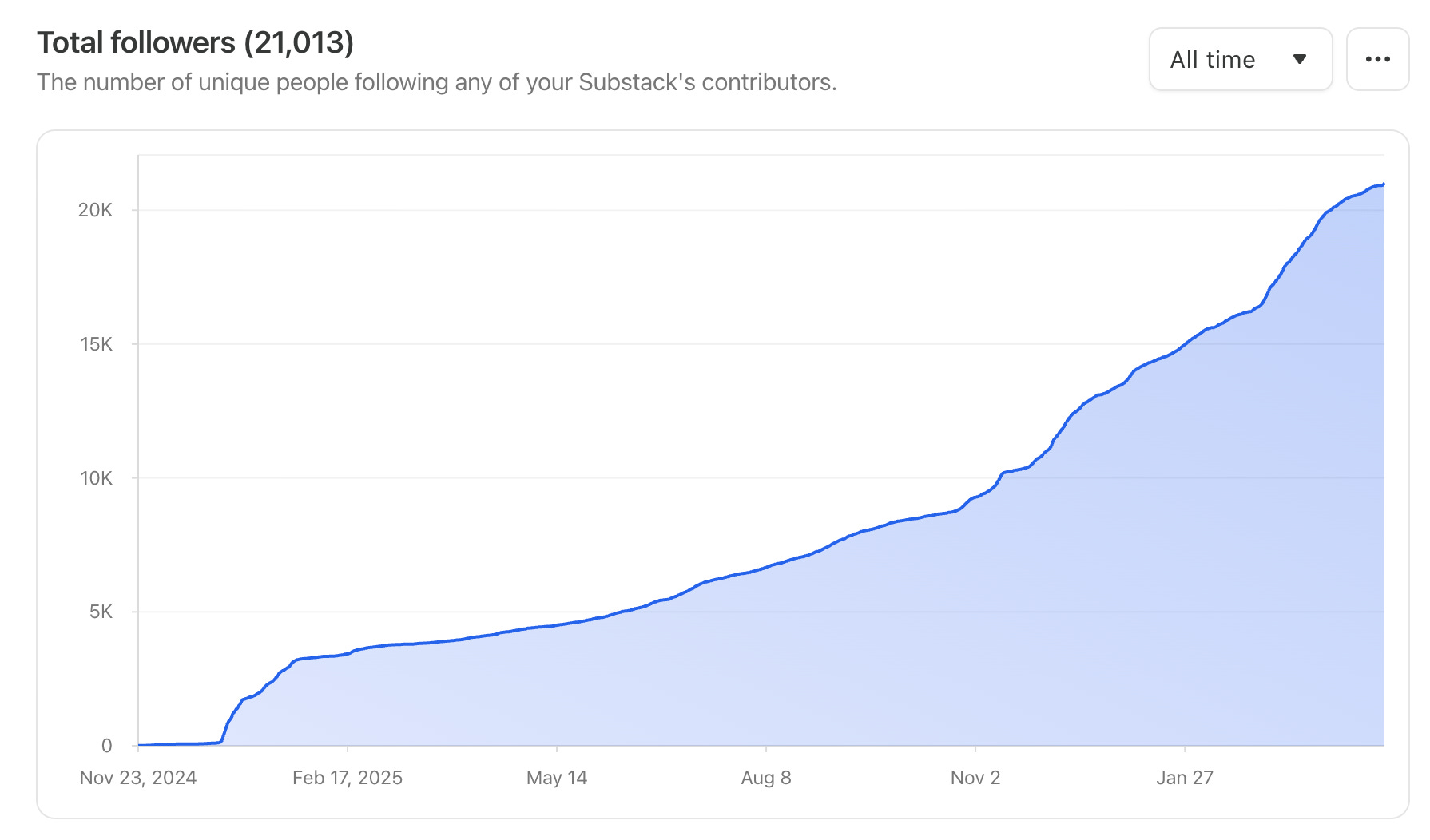
Shock LineIran reimposes armed control over the Strait of Hormuz.What Changed (Last 24 Hours)• IRGC broadcast strict military management of the Strait of Hormuz and fired on unauthorized commercial vessels.• Convoy of eight tankers crossed Hormuz while five loaded Qatari LNG carriers approached for first post-February transit.• Ukrainian drones struck two Russian Samara refineries, a Baltic Sea petroleum export port, and three warships in Crimea.• Hungary Tisza Party widened parliamentary majority to 141 of 199 seats.• Venezuela opposition leader Machado confirmed close coordination with US officials on her return.• North Korea tested an unidentified ballistic missile.Why This Matters (The System)Iran restored IRGC physical authority over Hormuz transit.US blockade and limited managed passages now define access.Anchor: eight tankers transited amid hundreds stalled since late February.What Breaks Next (Forward Risk)If IRGC control holds past the Wednesday ceasefire deadline, tanker war-risk premiums widen immediately.Asian LNG optionality collapses as Qatari cargoes face interception with no quick reroute.Hungary gains first-mover crude supply if Druzhba flows resume next week, but pipeline repairs limit speed.North Korea missile tests probe distracted US deterrence in Northeast Asia.Bulgaria pro-Russia election lead risks second-order fracture in EU sanctions unity.Infrastructure timelines and ship-boarding plans cap any rapid reversal of Gulf flows.Signal vs. NoiseSignal: IRGC gunfire on vessels, actual tanker transits, Ukrainian strikes on Russian energy and naval assets, Tisza seat count, Machado US coordination.Noise: Trump claims of imminent deal or renewed bombing, spot price volatility in futures.The Line to RememberChokepoint enforcement overrides diplomatic deadlines when navies and fast-attack craft hold the lane.Community Notes:We are very happy to announce that we have a new YouTube page.PLEASE go to www.YouTube.com/@GeopoliticsUnpluggedRapidRead and SUBSCRIBE.We just crossed 21,000 daily readers! Thank you everyoneMarket Snapshot as of publication time noted above (not to be relied on for trading purposes):Detailed News Summaries:Iran Broadcasts Hormuz Is Shut as Owners Report Gunfirehttps://www.bloomberg.com/news/articles/2026-04-18/iran-broadcasts-to-ships-that-hormuz-is-shut-two-owners-sayIran has broadcast to ships in the Strait of Hormuz that the vital oil and gas channel is once again closed to maritime traffic. Vessel owners reported gunfire in the waterway, which prompted several ships to abandon their efforts to transit after a brief period when reopening seemed possible. The state-run news agency Nour reported that the strait returned to strict management and control by the armed forces. This decision stems from the ongoing United States blockade on Iran’s shipping that began on Monday, which has heightened tensions in the region critical for global energy supplies.Chaos Erupts in Hormuz After Trump Claimed Iran Deal is Imminenthttps://www.bloomberg.com/news/articles/2026-04-18/chaos-erupts-in-hormuz-after-trump-claimed-iran-deal-is-imminent-mo48sbi2Chaos has erupted in the Strait of Hormuz as Iran reimposed restrictions on vessel traffic. This development occurred after President Trump claimed that a deal with Iran was imminent. Iranian authorities broadcast that the waterway was closed, and one supertanker reported gunfire according to vessel owners. These events, combined with Israeli attacks in Lebanon, have undermined expectations for a quick peace deal and have disrupted global energy markets.China, Turkmenistan Deepen Gas Ties as Project Breaks Groundhttps://www.bloomberg.com/news/articles/2026-04-18/china-turkmenistan-deepen-gas-ties-as-project-breaks-groundChina and Turkmenistan have deepened their energy partnership as Beijing’s top envoy attended the groundbreaking of a major gas project. Vice Premier Ding Xuexiang, President Xi Jinping’s special representative, participated in the launch of the gas field project and signed cooperation deals with Turkmen President Serdar Berdimuhamedov. This initiative underscores the strategic importance of natural gas ties between the two nations. The project highlights Beijing’s ongoing efforts to secure long-term energy supplies from Central Asia.Machado Says in Close Talks With US Over Return to Venezuelahttps://www.bloomberg.com/news/articles/2026-04-18/venezuela-s-machado-says-in-close-talks-with-us-over-her-returnVenezuela’s main opposition leader María Corina Machado has stated that she is coordinating her potential return to the country with the United States government. She maintains permanent contact with officials in the Trump administration and expresses trust in the phased process that Washington is promoting. Speaking at a press conference in Madrid, Machado provided no specific date for her return but emphasized the ongoing coordination. This development occurs amid broader diplomatic efforts involving the US and Venezuelan political dynamics.Trump warns US may ‘drop bombs again’ if no Iran deal by ceasefire deadlinehttps://thehill.com/policy/international/5837535-donald-trump-warning-iran-ceasefire-end/President Trump warned that the United States could strike Iran again if leaders do not agree to his terms before the temporary ceasefire ends next week. He stated aboard Air Force One that failure to reach a deal by Wednesday’s deadline would require the US to start dropping bombs again. Trump reaffirmed that the naval blockade in the Strait of Hormuz would remain intact. Pakistan continues to mediate the negotiations, with officials expressing hope that remaining gaps can be bridged following the Israel-Lebanon ceasefire.Magyar Says Druzhba Oil Flows Could Resume Next Weekhttps://www.rigzone.com/news/wire/magyar_says_druzhba_oil_flows_could_resume_next_week-18-apr-2026-183477-article/?rss=trueIncoming Hungarian Prime Minister Peter Magyar stated that flows of Russian oil to Hungary via the Druzhba pipeline could resume next week after a months-long hiatus. He cited the head of refiner MOL, who plans to visit Russia to discuss oil supplies. The pipeline has been inoperative since January when it was damaged by a Russian drone strike. Magyar noted that restarting the pipeline requires not only repairs but also securing oil deliveries, amid ongoing political discussions regarding European Union funds to Ukraine.Ukraine Strikes Two Russian Refineries, Baltic Sea Porthttps://gcaptain.com/ukraine-strikes-two-russian-refineries-baltic-sea-port/Ukrainian drones struck two oil refineries in Russia’s Samara region and a Baltic Sea port that exports petroleum products. Local governors and a Ukrainian army official confirmed the attacks on facilities in the Leningrad region and other sites. These strikes target key sources of revenue for Moscow’s war budget and have reduced Russian oil shipments. Ukrainian forces also hit an oil depot in occupied Sevastopol in Crimea as part of intensified operations against Russian energy infrastructure.Iran restores ‘strict management’ of Hormuz Strait as US blockade persistshttps://thehill.com/policy/international/5837564-iran-strict-control-strait-of-hormuz-us-blockade/Iran has restored strict management of the Strait of Hormuz as the United States naval blockade persists in the critical trading corridor. The Islamic Revolutionary Guard Corps announced that the strait would remain under military control until the US ends its obstruction of Iranian vessel movements. The IRGC confirmed it fired on two vessels that attempted to bypass Iranian authority. President Trump dismissed the move and stated that negotiations with Iran are progressing well despite the tensions.Iraq says oil exports to resume from all fields within days, state news agencyhttps://boereport.com/2026/04/18/iraq-says-oil-exports-to-resume-from-all-fields-within-days-state-news-agency/Iraq’s oil ministry announced that oil exports would resume from all fields within the next few days according to the state news agency INA. Southern oil exports resumed on Friday after a halt exceeding one month caused by disruptions in shipping through the Strait of Hormuz. One tanker has already begun loading crude as part of efforts to restart full operations. The move aims to stabilize Iraq’s energy exports amid regional tensions affecting maritime routes.Five loaded Qatari LNG vessels approach the Strait of Hormuz, ship-tracking data showshttps://boereport.com/2026/04/18/five-loaded-qatari-lng-vessels-approach-the-strait-of-hormuz-ship-tracking-data-shows/Five vessels loaded with liquefied natural gas from Qatar’s Ras Laffan plant are approaching the Strait of Hormuz according to ship-tracking data. If they successfully transit, it would mark the first LNG cargoes to pass through the waterway since the US-Israel war with Iran began on February 28. The vessels are destined primarily for Pakistan and India. QatarEnergy and analysts note that Iranian attacks had previously knocked out part of Qatar’s LNG export capacity.Ukraine Says It Hit Three Russian Warships in Crimea With Droneshttps://www.bloomberg.com/news/articles/2026-04-18/ukraine-says-it-hit-three-russian-warships-in-crimea-with-dronesUkraine’s Security Service reported that its Alpha special operations unit conducted a drone strike on the Crimean peninsula. The attack damaged three Russian naval ships, including the landing ships Yamal and Azov, along with an unidentified warship. Radar, communications equipment, and fuel storage facilities were also hit. The operation forms part of Ukraine’s ongoing efforts to target Russian military assets in the region.Convoy of tankers is seen crossing Strait of Hormuz, vessel tracking data showshttps://boereport.com/2026/04/18/convoy-of-tankers-is-seen-crossing-strait-of-hormuz-vessel-tracking-data-shows/A convoy of eight tankers was observed crossing the Strait of Hormuz on Saturday as ship owners hoped Iran would permit departures from the Gulf during a short ceasefire window. The group included a very large crude oil carrier, oil product tankers, chemical tankers, and LPG carriers passing through Iranian waters. Hundreds of ships had been stuck in the Gulf since Iran closed the strait in retaliation for the conflict that began at the end of February. Iran stated it agreed to managed passage of a limited number of vessels following negotiations.Hungary’s Tisza Party Widens Majority, Holds EU Fund Talkshttps://www.bloomberg.com/news/articles/2026-04-18/hungary-s-tisza-party-widens-election-majority-in-fresh-tallyThe Tisza party led by Hungarian prime minister-elect Peter Magyar has widened its parliamentary majority according to fresh tally results. The pro-European movement is now projected to hold 141 seats in the 199-member assembly, providing a stronger mandate for change. This majority exceeds previous projections and surpasses any achieved under the current electoral system. The development positions Tisza to advance its agenda, including talks on European Union funds.US Official Says IRGC Attacked Commercial Ships in Hormuz: Axioshttps://www.bloomberg.com/news/articles/2026-04-18/us-official-says-irgc-attacked-commercial-ships-in-hormuz-axiosA US official stated that Iran’s Islamic Revolutionary Guard Corps attacked commercial ships in the Strait of Hormuz. The incidents occurred as Iran reimposed strict controls over the waterway amid the ongoing US blockade. Reports of gunfire and vessel interceptions have increased uncertainty for maritime traffic. These actions have further complicated diplomatic efforts to resolve the broader conflict involving Iran.US Preparing to Board Iran-Linked Ships in Coming Days, WSJ Sayshttps://www.bloomberg.com/news/articles/2026-04-18/us-preparing-to-board-iran-linked-ships-in-coming-days-wsj-saysThe United States is preparing to board Iran-linked ships in the coming days according to reports. This step aligns with the continued naval blockade in the Strait of Hormuz. Officials aim to enforce restrictions on Iranian shipping amid stalled negotiations. The move underscores the Trump administration’s firm stance on maintaining pressure until a comprehensive deal is reached.Peru Delays $2 Billion F-16 Deal, Drawing US Backlashhttps://www.bloomberg.com/news/articles/2026-04-18/peru-delays-2-billion-f-16-deal-drawing-us-backlashPeru has delayed a $2 billion deal for F-16 fighter jets, prompting backlash from the United States. The postponement affects plans to modernize the country’s air force. US officials have expressed disappointment over the decision amid regional security considerations. The delay highlights challenges in defense procurement agreements between the two nations.Trump warns Iran over ‘blackmail’ as Tehran tightens control of Strait of Hormuzhttps://moderndiplomacy.eu/2026/04/18/trump-warns-iran-over-blackmail-as-tehran-tightens-control-of-strait-of-hormuz/President Trump warned Iran against using the Strait of Hormuz as leverage in negotiations. Tehran has tightened control over the waterway in response to the US blockade. Trump described the actions as blackmail and stated that the United States would not yield to such tactics. Negotiations mediated by Pakistan continue as both sides seek to resolve the impasse before the ceasefire deadline.Inside the Race to Control the World’s Lithium Supplyhttps://oilprice.com/Metals/Commodities/Inside-the-Race-to-Control-the-Worlds-Lithium-Supply.htmlMajor powers are engaged in an intense competition to secure control over global lithium supplies essential for electric vehicle batteries and renewable energy technologies. Countries and companies are investing heavily in mining projects and processing facilities across South America, Australia, and Africa. Geopolitical tensions influence supply chain strategies as nations seek to reduce dependence on dominant producers. The race underscores lithium’s critical role in the global transition to sustainable energy sources.Out at sea, 400 million barrels of oil buffer Japan from the fuel crisishttps://www.abc.net.au/news/2026-04-19/iran-war-japan-oil-stockpile-model-for-asia/106570634Japan maintains a strategic reserve of 400 million barrels of oil stored at sea to buffer against fuel crises triggered by disruptions such as the Iran conflict. This floating stockpile serves as a model for other Asian nations facing energy security challenges. The reserves provide critical flexibility amid volatility in the Strait of Hormuz. Japanese officials emphasize the importance of such measures for economic stability during international tensions.North Korea Tests Unidentified Ballistic Missile, Yonhap Sayshttps://www.bloomberg.com/news/articles/2026-04-18/north-korea-tests-unidentified-ballistic-missile-yonhap-says-mo4vbi1iNorth Korea conducted a test of an unidentified ballistic missile according to South Korea’s Yonhap news agency. The launch occurred amid heightened global tensions related to the Iran conflict. Analysts view the test as an effort by Pyongyang to demonstrate military capabilities. The development adds to concerns over regional stability in Northeast Asia.Iran Fires on Tanker in Strait of Hormuz Using Fast Attack Crafthttps://armyrecognition.com/news/navy-news/2026/iran-fires-on-tanker-in-strait-of-hormuz-using-fast-attack-craftIran fired on a tanker in the Strait of Hormuz using fast attack craft as part of its strict management of the waterway. The incident involved vessels attempting to transit without authorization. Iranian forces asserted control amid the persisting US blockade. This action has raised safety concerns for commercial shipping in the region.Trump, Iran cite progress in talks as uncertainty hangs over Straithttps://boereport.com/2026/04/18/trump-iran-cite-progress-in-talks-as-uncertainty-hangs-over-strait/President Trump and Iranian officials have cited progress in ongoing talks mediated by Pakistan. Uncertainty continues to surround the Strait of Hormuz despite signals of advancement. Both sides express optimism about reaching a deal before the ceasefire deadline. The situation remains fluid as maritime restrictions affect global energy flows.India Flags ‘Deep Concerns’ Over Attack On Two Indian Ships In Strait of Hormuzhttps://gcaptain.com/india-flags-deep-concerns-over-attack-on-two-indian-ships-in-strait-of-hormuz/India has expressed deep concerns over attacks on two Indian ships in the Strait of Hormuz. The incidents occurred amid heightened tensions and Iranian enforcement actions. New Delhi called for the safety of its vessels and crew in the critical waterway. The government is monitoring the situation closely as it impacts regional trade routes.Greek, Indian Tankers U-Turn Before Hormuz Amid Reopening Doubthttps://gcaptain.com/greek-indian-tankers-u-turn-before-hormuz-amid-reopening-doubt/Greek and Indian tankers have made U-turns before entering the Strait of Hormuz due to doubts about reopening. Ship operators cited ongoing restrictions and security risks in the area. The maneuvers reflect caution among commercial fleets navigating the volatile region. Uncertainty persists despite reports of limited managed passages.How resource-rich Australia became dependent on foreign fuelhttps://www.abc.net.au/news/2026-04-19/how-resource-rich-australia-became-dependent-on-foreign-fuel-/106581254Australia, despite its rich natural resources, has grown dependent on foreign fuel imports for domestic needs. Policy decisions and refining capacity reductions have contributed to this vulnerability. The situation exposes the country to global supply disruptions such as those in the Strait of Hormuz. Experts call for strategies to enhance energy self-sufficiency.Bulgaria Votes With Russia Sympathizer in Lead: What to Watchhttps://www.bloomberg.com/news/articles/2026-04-19/bulgaria-votes-with-russia-sympathizer-in-lead-what-to-watchBulgaria is holding elections with a Russia sympathizer leading in the polls. The vote could shift the country’s alignment on European Union and NATO policies. Observers are watching the potential impact on regional stability and energy relations. The outcome may influence Bulgaria’s stance amid broader geopolitical tensions.Hormuz at Standstill, Denting US-Iran Peace Deal Hopeshttps://www.bloomberg.com/news/articles/2026-04-19/hormuz-at-standstill-denting-us-iran-peace-deal-hopesThe Strait of Hormuz remains at a standstill as Iran maintains strict controls. This situation has dented hopes for a swift US-Iran peace deal. President Trump continues to push for negotiations while upholding the blockade. Disruptions continue to affect global oil and gas markets.North Korea fires ballistic missiles again, flexing muscle amid Iran warhttps://www.cnbc.com/2026/04/19/north-korea-fires-ballistic-missiles-flexing-muscle-amid-iran-war.htmlNorth Korea has fired ballistic missiles once more as it flexes military muscle amid the Iran war. The tests occur against a backdrop of international focus on the Middle East conflict. Pyongyang’s actions signal continued defiance of international norms. Analysts link the launches to efforts to gain leverage in regional dynamics.Pro-Russian former president leads Bulgaria’s election pollshttps://moderndiplomacy.eu/2026/04/19/pro-russian-former-president-leads-bulgarias-election-polls/A pro-Russian former president leads Bulgaria’s election polls ahead of the upcoming vote. The candidate’s position could reshape the country’s foreign policy orientation. Polling data indicates strong support for policies favoring closer ties with Russia. The election outcome may have significant implications for European Union unity and regional security.Substack Articles of Note (not necessarily news but thought provoking articles):Backwards LookingThe article examines oil market dynamics amid the Iran conflict and Hormuz disruptions through the lens of backwardation in futures contracts. It dismisses conspiracy theories suggesting price suppression and instead attributes movements to fundamental supply and demand factors. Market data on WTI and Brent highlights how geopolitical events influence pricing structures. The analysis provides insights into how traders and analysts should interpret current volatility in energy commodities.The World’s Shipping System Hits a WallGlobal shipping faces severe disruptions as conflicts in key chokepoints like the Strait of Hormuz halt normal operations. The article details how vessel traffic has been restricted, leading to massive backlogs and rerouting challenges. Supply chain experts note the cascading effects on trade volumes and costs worldwide. This situation tests the resilience of international maritime logistics systems.AI: Fragility of today’s Claude Cowork type AI Agent Apps. RTZ 1061The piece explores the inherent fragility in current AI agent applications similar to Claude coworker tools. It highlights vulnerabilities in reliability, context handling, and task execution that limit practical deployment. Developers face challenges in scaling these systems for real-world use without frequent failures. The discussion calls for advancements to address these limitations in AI technology.Committed to NothingThe article critiques modern political and economic commitments that lack substance or follow-through. It examines how leaders and institutions often promise bold actions without delivering tangible results. This pattern erodes public trust and hampers effective policy implementation. The analysis urges a shift toward more accountable and decisive governance approaches.The coming AI nightmare: the case of MexicoThe discussion focuses on the potential negative impacts of artificial intelligence adoption in Mexico as a case study for developing economies. It warns of job displacement, inequality exacerbation, and infrastructure strains from rapid AI integration. Policymakers must prepare for these challenges to avoid widespread disruption. The piece advocates balanced strategies to harness AI benefits while mitigating risks.Our Take:The Strait of Hormuz has reemerged as the dominant geopolitical flashpoint, with Iran’s Islamic Revolutionary Guard Corps reimposing strict military control and firing on unauthorized commercial vessels. This action directly counters the limited managed passages attempted during a fragile ceasefire window, as evidenced by a convoy of eight tankers transiting amid hundreds stalled since late February and five loaded Qatari LNG carriers approaching for their first post-February transit. Ukrainian drone strikes on two Samara refineries, a Baltic Sea petroleum export port, and three Russian warships in Crimea add pressure on Moscow’s energy revenues and naval assets. These developments occur alongside Hungary’s Tisza Party widening its parliamentary majority to 141 of 199 seats, Venezuela opposition leader María Corina Machado confirming close coordination with US officials on her potential return, and North Korea testing an unidentified ballistic missile.The Hormuz enforcement warrants close monitoring because it overrides diplomatic deadlines and tests the sustainability of any US-Iran ceasefire. Chokepoint control by fast-attack craft and naval forces carries immediate operational weight that negotiations mediated by Pakistan cannot easily reverse in days. Policymakers in Washington find themselves boxed in by the naval blockade they imposed, which limits de-escalation flexibility without appearing to yield to Iranian pressure described by President Trump as blackmail. Tehran similarly loses optionality, as sustained closure risks alienating key Asian buyers and accelerating alternative supply routes that could permanently erode its leverage. In the next 7–30 days, indicators to watch include whether IRGC gunfire incidents decline or escalate, successful transit or interception of the Qatari LNG vessels, US preparations to board Iran-linked ships, and any resumption of full Iraqi oil exports from southern fields. Escalation signals would include widened tanker war-risk premiums, halted additional convoys, or renewed drone activity targeting Gulf infrastructure. De-escalation would appear through confirmed safe passages beyond the Wednesday ceasefire deadline, reduced IRGC broadcasts of closure, or statements indicating narrowed gaps in Pakistan-mediated talks.Cascading effects extend beyond energy. Asian LNG optionality collapses without quick reroutes, tightening supplies for importers such as India and Pakistan and potentially elevating spot prices. European refiners gain first-mover advantage if Hungarian negotiations revive Druzhba flows next week, though pipeline repairs will limit speed and test EU sanctions unity, especially with Bulgaria’s election featuring a Russia sympathizer in the lead. Supply-chain risks multiply for global shipping, with U-turns by Greek and Indian tankers highlighting caution that could reroute vessels and raise insurance costs. Second-order impacts include heightened Northeast Asian tensions from the North Korean missile test, probing US deterrence amid Middle East distractions, and potential fractures in transatlantic alignment if energy shortages strain European cohesion.A non-energy development of geopolitical significance is Hungary’s Tisza Party securing a strengthened majority. This pro-European shift positions the incoming government to advance EU fund talks and potentially recalibrate energy policy, including Druzhba resumption. It matters because it could accelerate selective easing of sanctions-related frictions in Central Europe, offering a modest counterweight to broader Russia-Ukraine dynamics while testing Brussels’ willingness to engage a more cooperative Budapest. Monitoring Hungarian-Russian discussions and any EU fund disbursements in the coming weeks will indicate whether this majority translates into tangible alliance adjustments or remains constrained by ongoing Ukrainian infrastructure timelines.Geopolitical Risk ScoreboardContrarian Point of View:A contrarian perspective holds that the current Hormuz tensions, while serious, reflect tactical posturing more than inevitable long-term rupture. Both US and Iranian sides continue to cite progress in talks, and limited tanker transits demonstrate that managed passages remain possible even under blockade. Markets have absorbed prior disruptions without systemic collapse, as Japan’s floating oil stockpiles and other Asian buffers illustrate resilience. Ukrainian strikes, though damaging, have not altered the fundamental balance on the ground in ways that compel immediate Russian concessions. Consensus narratives of imminent broader war overlook the mutual interest in avoiding total closure that would harm exporters and importers alike, suggesting diplomacy retains more runway than headline volatility implies.A Look Ahead in the Markets:In the equities markets, investors appear to be pricing in a degree of diplomatic optionality around the US-Iran ceasefire deadline despite the reimposition of Iranian control over the Strait of Hormuz. Major indices posted solid gains today with the DJIA rising nearly 1.8 percent, the S&P 500 up 1.2 percent, and European benchmarks such as the DAX advancing over 2 percent. In the coming 7 to 14 days equity performance will hinge on whether limited tanker transits expand beyond the eight-vessel convoy observed or whether IRGC enforcement actions intensify past the Wednesday deadline. Sustained safe passage of additional convoys including the five approaching Qatari LNG carriers could support risk appetite by moderating immediate supply fears while renewed gunfire incidents or US ship-boarding operations would likely trigger volatility and a rotation toward defensive sectors. Asian indices showed mixed performance underscoring regional differentiation based on energy import exposure.Energy markets face heightened uncertainty as the Hormuz chokepoint dynamics dominate price action. WTI and Brent crude both declined sharply reflecting some relief from the limited convoy transit yet persistent fears over broader closure while Murban crude closely tied to Gulf production also softened. WCS maintained a significant discount highlighting the premium placed on non-Gulf barrels amid the disruptions. Looking forward OPEC Blend and Indian Blend grades are expected to come under similar pressure to other Middle East-linked crudes should Iranian control persist whereas lighter sweet grades such as Bonny Light may retain relative strength as buyers seek alternatives. Crack spreads remain a critical focus and are likely to stay elevated in the near term as the differential between crude and refined products such as RBOB and heating oil widens due to potential product tightness from Ukrainian strikes on Russian refineries and Gulf flow restrictions supporting refining margins even as upstream prices fluctuate.Shipping rates will serve as an important early indicator of physical market stress in the weeks ahead. The Baltic Dirty Tanker Index fell over 4 percent today even as a limited convoy successfully crossed the Strait suggesting that broader commercial traffic has yet to normalize. In the coming days any sharp rebound in dirty tanker rates would signal renewed physical constraints on crude movements and foreshadow upward pressure on oil benchmarks while continued weakness could indicate that managed passages are expanding. The modest rise in the Baltic Clean Tanker Index alongside softening container indices may precede slower global trade data if rerouting and insurance costs rise. Monitoring these rates closely alongside IRGC statements and actual vessel movements will provide the clearest signals on whether current Hormuz tensions will translate into sustained supply chain and commodity volatility. This is a public episode. If you'd like to discuss this with other subscribers or get access to bonus episodes, visit geopoliticsunplugged.substack.com/subscribe
Embed this episode
NOW PLAYING
IRGC Fires on Tankers in Hormuz; Ukraine Attacks Samara refineries and Port | Rapid Read 19 April 2026
No transcript for this episode yet
Similar Episodes
No similar episodes found.