
EPISODE · Oct 10, 2024 · 1 MIN
📝 “Is Apical or Coronal Bone More Important in Immediate Implant Placement, After Tooth Extraction?”
from Dr. Gallagher's Podcast · host Brendan Gallagher, DDS
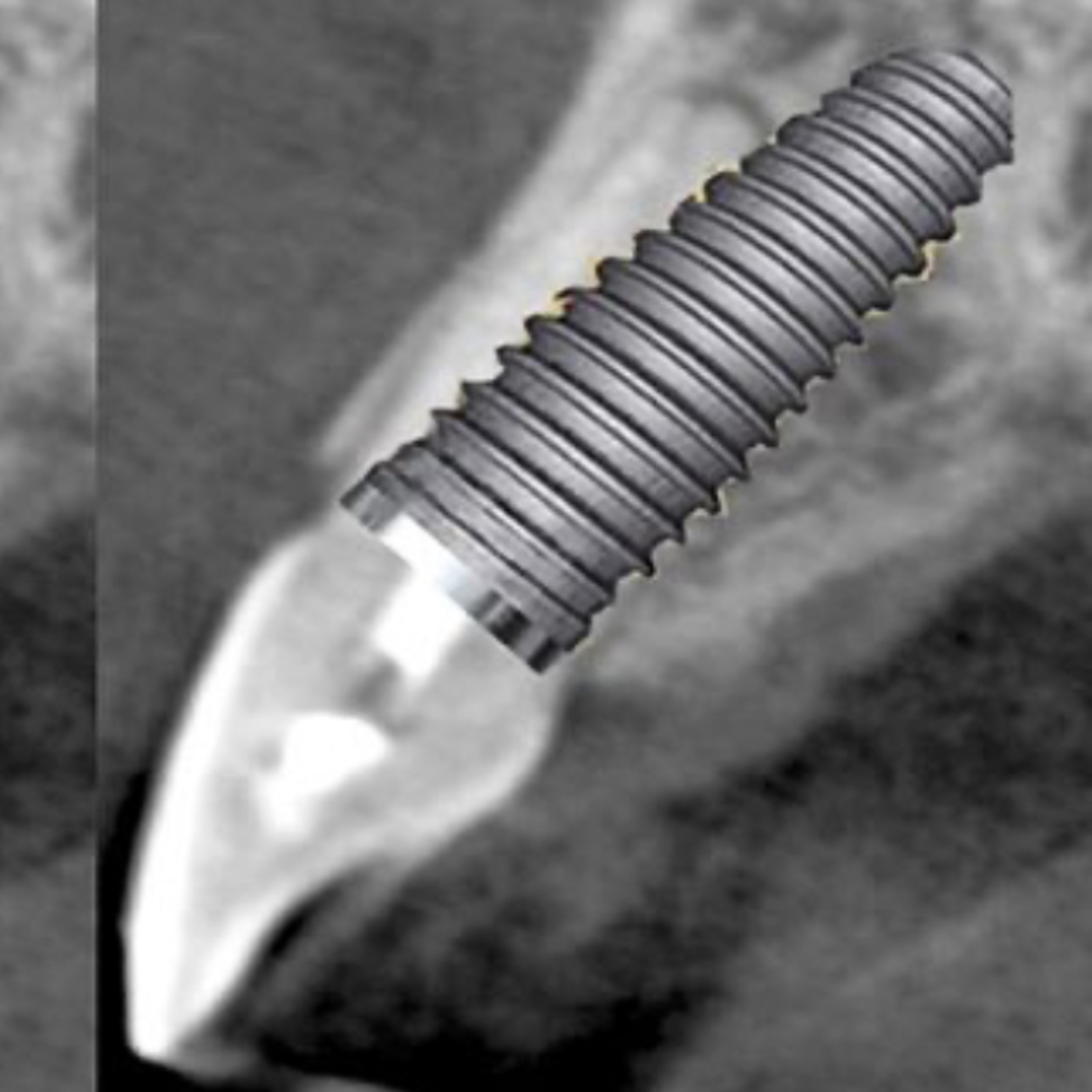
- 10.10.24Quick Review #244 - #dental #dentist #dentistry #dentalstudent #dentalschool #teeth #cavity #wisdomteeth #extraction #oralsurgery #oralsurgeon #dentalimplant #dentalimplant #implantsIn immediate dental implant placement following tooth extraction, both apical and coronal bone play crucial roles, but apical bone is typically considered more critical for initial stability. Apical bone provides primary stability by engaging the implant in denser, untouched bone beyond the extraction socket. Coronal bone (at the crest of the alveolus) is essential for long-term success, particularly for soft tissue support and preventing marginal bone loss, but may not contribute as significantly to initial mechanical stability.Regarding the specific measurements:• Apical bone: It is generally recommended that there be at least 3-5 mm of apical bone beyond the extraction socket to ensure sufficient stability and primary fixation of the implant.• Coronal bone: A minimum of 1.5-2 mm of buccal (facial) bone thickness is often advised to maintain proper soft tissue support and prevent bone resorption over time. Inadequate coronal bone may increase the risk of marginal bone loss or gingival recession.Sources like Peterson’s Principles of Oral and Maxillofacial Surgery and implant literature emphasize the need for good primary stability through apical bone engagement while also recognizing the importance of coronal bone for long-term peri-implant tissue health.References:1. Bishara, M., & Kurtzman, G. M. (2017). Surgical and prosthetic considerations with immediate implant placement. Compendium of Continuing Education in Dentistry, 38(7). Retrieved from https://lnkd.in/easBdCrM2. Miloro, M., Ghali, G. E., Larsen, P. E., & Waite, P. (Eds.). (2022). Peterson’s Principles of Oral and Maxillofacial Surgery (4th ed.). Springer3. Kademani, D., & Tiwana, P. (2015). Atlas of Oral and Maxillofacial Surgery. W.B. Saunders Co.4. ChatGPT. 2024.#podcast #podcasts #dentalpodcast #dentalpodcasts #doctorgallagherpodcast #doctorgallagherspodcast #doctor #dentistry #oralsurgery #dental #viral #dentalschool #dentalstudent #omfs #surgeon #doctorlife #dentistlife #residency #oralsurgeon #dentist #doctorgallagher
What this episode covers
- 10.10.24Quick Review #244 - #dental #dentist #dentistry #dentalstudent #dentalschool #teeth #cavity #wisdomteeth #extraction #oralsurgery #oralsurgeon #dentalimplant #dentalimplant #implantsIn immediate dental implant placement following tooth extraction, both apical and coronal bone play crucial roles, but apical bone is typically considered more critical for initial stability. Apical bone provides primary stability by engaging the implant in denser, untouched bone beyond the extraction socket. Coronal bone (at the crest of the alveolus) is essential for long-term success, particularly for soft tissue support and preventing marginal bone loss, but may not contribute as significantly to initial mechanical stability.Regarding the specific measurements:• Apical bone: It is generally recommended that there be at least 3-5 mm of apical bone beyond the extraction socket to ensure sufficient stability and primary fixation of the implant.• Coronal bone: A minimum of 1.5-2 mm of buccal (facial) bone thickness is often advised to maintain proper soft tissue support and prevent bone resorption over time. Inadequate coronal bone may increase the risk of marginal bone loss or gingival recession.Sources like Peterson’s Principles of Oral and Maxillofacial Surgery and implant literature emphasize the need for good primary stability through apical bone engagement while also recognizing the importance of coronal bone for long-term peri-implant tissue health.References:1. Bishara, M., & Kurtzman, G. M. (2017). Surgical and prosthetic considerations with immediate implant placement. Compendium of Continuing Education in Dentistry, 38(7). Retrieved from https://lnkd.in/easBdCrM2. Miloro, M., Ghali, G. E., Larsen, P. E., & Waite, P. (Eds.). (2022). Peterson’s Principles of Oral and Maxillofacial Surgery (4th ed.). Springer3. Kademani, D., & Tiwana, P. (2015). Atlas of Oral and Maxillofacial Surgery. W.B. Saunders Co.4. ChatGPT. 2024.#podcast #podcasts #dentalpodcast #dentalpodcasts #doctorgallagherpodcast #doctorgallagherspodcast #doctor #dentistry #oralsurgery #dental #viral #dentalschool #dentalstudent #omfs #surgeon #doctorlife #dentistlife #residency #oralsurgeon #dentist #doctorgallagher
NOW PLAYING
📝 “Is Apical or Coronal Bone More Important in Immediate Implant Placement, After Tooth Extraction?”
No transcript for this episode yet
Similar Episodes
Dec 5, 2025 ·50m
Oct 9, 2025 ·33m
Oct 3, 2025 ·40m
Sep 11, 2025 ·31m
Aug 27, 2025 ·39m
Aug 18, 2025 ·54m