
EPISODE · Apr 2, 2024 · 3 MIN
“Is Denosumab or Zolendronate More Concerning For Risk of Osteonecrosis?”
from Dr. Gallagher's Podcast · host Brendan Gallagher, DDS
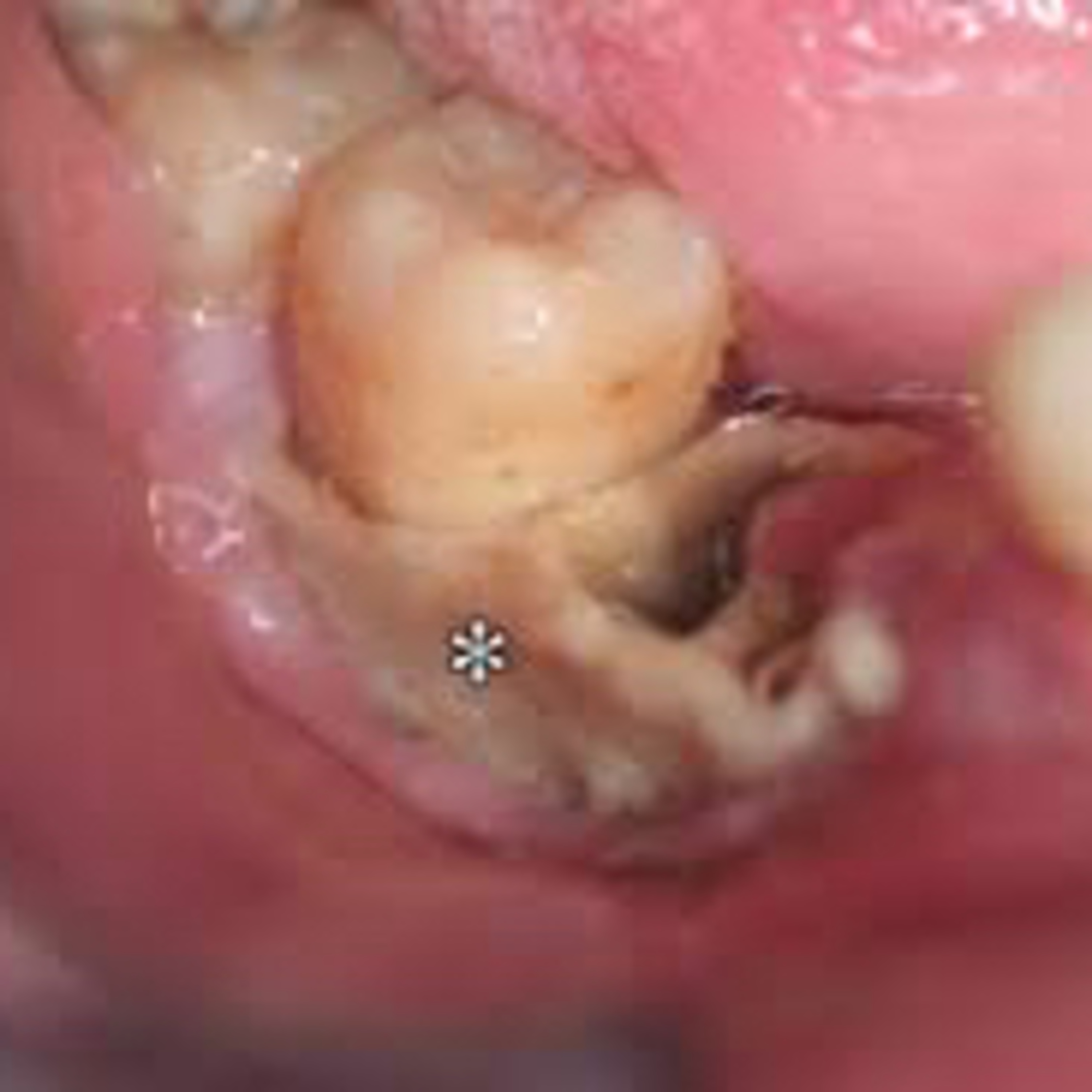
4.1.24 Quick Review #119 - #surgery #surgeon #doctorgallagher #oralsurgery #oralsurgeon #omfs #dentist #dentistry #dental #MRONJ #ONJ #osteonecrosis #podcast #podcasts #dentalpodcast #dentalpodcasts #doctorgallagherpodcast #doctorgallagherspodcast Both intravenous (IV) zoledronate (a bisphosphonate) and subcutaneous (SQ) denosumab (a RANK ligand inhibitor) are associated with the risk of osteonecrosis of the jaw (ONJ), particularly following invasive dental procedures such as tooth extractions. However, the risk profiles and mechanisms of action of these drugs are different, which can influence their relative concerns for adverse effects like ONJ. Zoledronate: • Zoledronate is a potent bisphosphonate that inhibits bone resorption by affecting the action of osteoclasts. It has a strong affinity for bone tissue and a long half-life within the bone, which contributes to its long-lasting effects. • The risk of ONJ associated with bisphosphonates like zoledronate is well-documented, particularly with high doses and prolonged use, commonly seen in cancer patients rather than those treated for osteoporosis. • Bisphosphonate-related ONJ often arises after invasive dental procedures, and the risk can persist for years after the medication has been discontinued due to its long-term retention in bone tissue. Denosumab: • Denosumab is a monoclonal antibody that inhibits RANK ligand, a protein involved in the formation and function of osteoclasts, thereby reducing bone resorption. • Denosumab does not bind to bone directly and is cleared from the system relatively quickly once injections are stopped. The half-life of denosumab is much shorter than that of bisphosphonates, and its effects on bone turnover are reversible. • The risk of ONJ with denosumab also exists and is a concern, particularly with higher doses used in the treatment of bone metastases in cancer. However, because its effects are more quickly reversible upon cessation, some aspects of risk might differ compared to bisphosphonates. In summary, both medications carry a risk for ONJ, but the risk with bisphosphonates like IV zoledronate may be more concerning due to their long-term retention in bone and the persistent risk even after the drug is stopped. Denosumab's risks are significant but may be more manageable due to the drug's pharmacokinetics and the reversibility of its effects after discontinuation. References: 1. Ruggiero, S. L., Dodson, T. B., Fantasia, J., Goodday, R., Aghaloo, T., Mehrotra, B., & O’Ryan, F. (2014). American Association of Oral and Maxillofacial Surgeons position paper on medication-related osteonecrosis of the jaw—2014 update. Journal of Oral and Maxillofacial Surgery, 72(10), 1938-1956. 2. Marx, R. E. (2003). Pamidronate (Aredia) and zoledronate (Zometa) induced avascular necrosis of the jaws: A growing epidemic. Journal of Oral and Maxillofacial Surgery, 61(9), 1115-1117. 3. ChatGPT. 2024.
What this episode covers
4.1.24 Quick Review #119 - #surgery #surgeon #doctorgallagher #oralsurgery #oralsurgeon #omfs #dentist #dentistry #dental #MRONJ #ONJ #osteonecrosis #podcast #podcasts #dentalpodcast #dentalpodcasts #doctorgallagherpodcast #doctorgallagherspodcast Both intravenous (IV) zoledronate (a bisphosphonate) and subcutaneous (SQ) denosumab (a RANK ligand inhibitor) are associated with the risk of osteonecrosis of the jaw (ONJ), particularly following invasive dental procedures such as tooth extractions. However, the risk profiles and mechanisms of action of these drugs are different, which can influence their relative concerns for adverse effects like ONJ. Zoledronate: • Zoledronate is a potent bisphosphonate that inhibits bone resorption by affecting the action of osteoclasts. It has a strong affinity for bone tissue and a long half-life within the bone, which contributes to its long-lasting effects. • The risk of ONJ associated with bisphosphonates like zoledronate is well-documented, particularly with high doses and prolonged use, commonly seen in cancer patients rather than those treated for osteoporosis. • Bisphosphonate-related ONJ often arises after invasive dental procedures, and the risk can persist for years after the medication has been discontinued due to its long-term retention in bone tissue. Denosumab: • Denosumab is a monoclonal antibody that inhibits RANK ligand, a protein involved in the formation and function of osteoclasts, thereby reducing bone resorption. • Denosumab does not bind to bone directly and is cleared from the system relatively quickly once injections are stopped. The half-life of denosumab is much shorter than that of bisphosphonates, and its effects on bone turnover are reversible. • The risk of ONJ with denosumab also exists and is a concern, particularly with higher doses used in the treatment of bone metastases in cancer. However, because its effects are more quickly reversible upon cessation, some aspects of risk might differ compared to bisphosphonates. In summary, both medications carry a risk for ONJ, but the risk with bisphosphonates like IV zoledronate may be more concerning due to their long-term retention in bone and the persistent risk even after the drug is stopped. Denosumab's risks are significant but may be more manageable due to the drug's pharmacokinetics and the reversibility of its effects after discontinuation. References: 1. Ruggiero, S. L., Dodson, T. B., Fantasia, J., Goodday, R., Aghaloo, T., Mehrotra, B., & O’Ryan, F. (2014). American Association of Oral and Maxillofacial Surgeons position paper on medication-related osteonecrosis of the jaw—2014 update. Journal of Oral and Maxillofacial Surgery, 72(10), 1938-1956. 2. Marx, R. E. (2003). Pamidronate (Aredia) and zoledronate (Zometa) induced avascular necrosis of the jaws: A growing epidemic. Journal of Oral and Maxillofacial Surgery, 61(9), 1115-1117. 3. ChatGPT. 2024.
NOW PLAYING
“Is Denosumab or Zolendronate More Concerning For Risk of Osteonecrosis?”
No transcript for this episode yet
Similar Episodes
Dec 5, 2025 ·50m
Oct 9, 2025 ·33m
Oct 3, 2025 ·40m
Sep 11, 2025 ·31m
Aug 27, 2025 ·39m
Aug 18, 2025 ·54m