PodParley PodParley

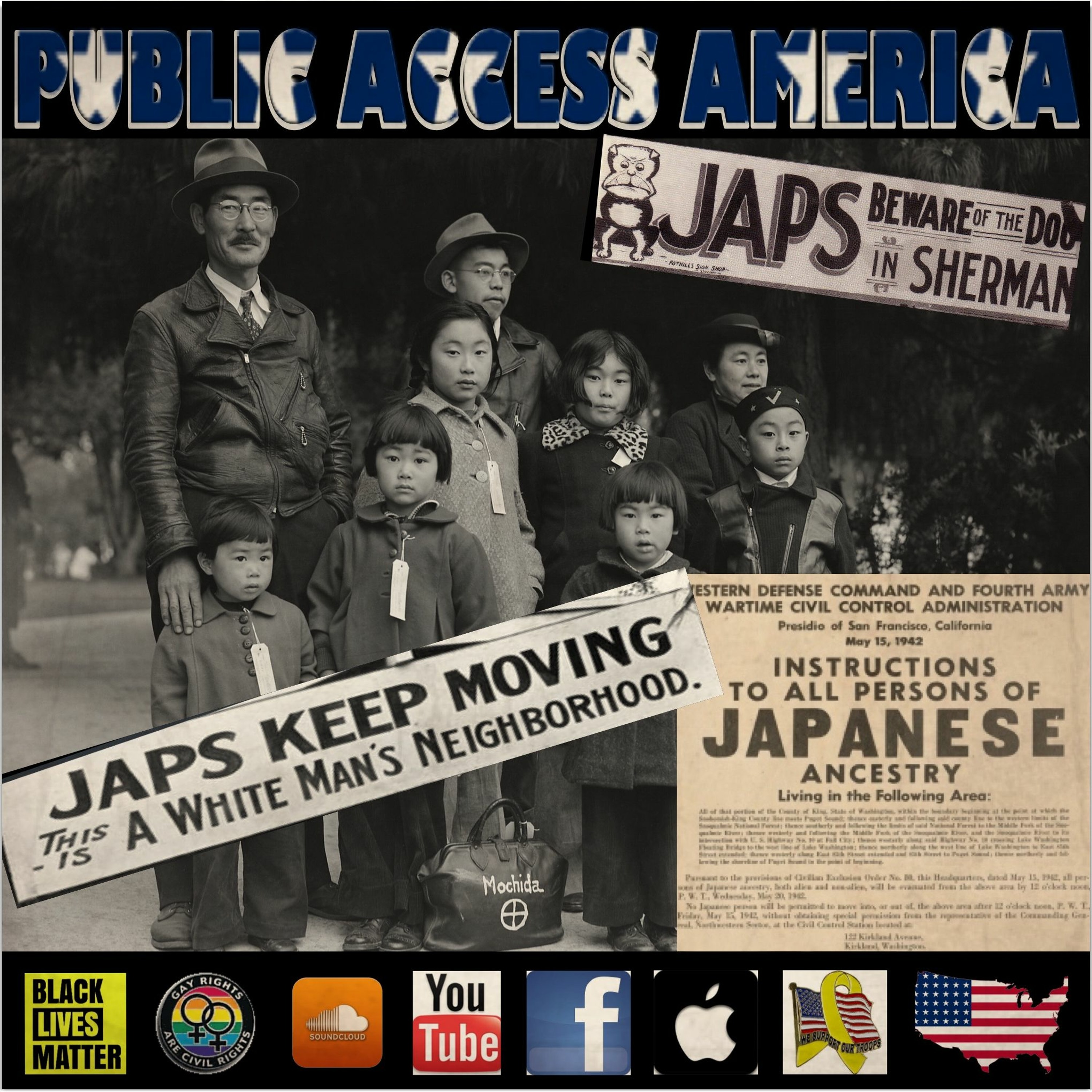
Japanese Internment-1942

The internment of Japanese Americans in the Unite…

An episode of the Public Access America podcast, hosted by Public Access America, titled "Japanese Internment-1942" was published on February 22, 2018 and runs 22 minutes.

February 22, 2018 ·22m · Public Access America

0:00 / 0:00

The internment of Japanese Americans in the United States during World War II was the forced relocation and incarceration in camps in the western interior of the country of between 110,000 and 120,000 people of Japanese ancestry, most of whom lived on the Pacific coast. 62 percent of the internees were United States citizens. These actions were ordered by President Franklin D. Roosevelt shortly after Imperial Japan's attack on Pearl Harbor. Japanese Americans were incarcerated based on local population concentrations and regional politics. More than 110,000 Japanese Americans in the mainland U.S., who mostly lived on the West Coast, were forced into interior camps. However, in Hawaii, where 150,000-plus Japanese Americans composed over one-third of the population, only 1,200 to 1,800 were also interned.[9] The internment is considered to have resulted more from racism than from any security risk posed by Japanese Americans. Those who were as little as 1/16 Japanese and orphaned infants with "one drop of Japanese blood" were placed in internment camps. Roosevelt authorized the deportation and incarceration with Executive Order 9066, issued on February 19, 1942, which allowed regional military commanders to designate "military areas" from which "any or all persons may be excluded". This authority was used to declare that all people of Japanese ancestry were excluded from the West Coast, including all of California and parts of Oregon, Washington, and Arizona, except for those in government camps. Approximately 5,000 Japanese Americans voluntarily relocated outside the exclusion zone before March 1942, while some 5,500 community leaders arrested immediately after the Pearl Harbor attack, were already in custody. The majority of nearly 130,000 Japanese Americans living in the U.S. mainland were forcibly relocated from their West Coast homes during the spring of 1942. The United States Census Bureau assisted the internment efforts by providing confidential neighborhood information on Japanese Americans. The Bureau denied its role for decades, but it became public in 2007. In 1944, the U.S. Supreme Court upheld the constitutionality of the removal by ruling against Fred Korematsu's appeal for violating an exclusion order. The Court limited its decision to the validity of the exclusion orders, avoiding the issue of the incarceration of U.S. citizens without due process... Information Sourced From; https://en.wikipedia.org/wiki/Internment_of_Japanese_Americans Body Sourced From: Public.Resource.Org FDR Presidential Library https://archive.org/details/gov.fdr.21 Public Access America 
PublicAccessPod Productions
Footage edited by Jason at PublicAccessPod producer of Public Access America [email protected]
Podcast Links:
Review us Stitcher: goo.gl/XpKHWB 
Review us iTunes: goo.gl/soc7KG 
Subscribe GooglePlay: goo.gl/gPEDbf 
join us on YouTube goo.gl/xrKbJb Advertising Inquiries: https://redcircle.com/brands Privacy & Opt-Out: https://redcircle.com/privacy

The internment of Japanese Americans in the United States during World War II was the forced relocation and incarceration in camps in the western interior of the country of between 110,000 and 120,000 people of Japanese ancestry, most of whom lived on the Pacific coast. 62 percent of the internees were United States citizens. These actions were ordered by President Franklin D. Roosevelt shortly after Imperial Japan's attack on Pearl Harbor. Japanese Americans were incarcerated based on local population concentrations and regional politics. More than 110,000 Japanese Americans in the mainland U.S., who mostly lived on the West Coast, were forced into interior camps. However, in Hawaii, where 150,000-plus Japanese Americans composed over one-third of the population, only 1,200 to 1,800 were also interned.[9] The internment is considered to have resulted more from racism than from any security risk posed by Japanese Americans. Those who were as little as 1/16 Japanese and orphaned infants with "one drop of Japanese blood" were placed in internment camps. Roosevelt authorized the deportation and incarceration with Executive Order 9066, issued on February 19, 1942, which allowed regional military commanders to designate "military areas" from which "any or all persons may be excluded". This authority was used to declare that all people of Japanese ancestry were excluded from the West Coast, including all of California and parts of Oregon, Washington, and Arizona, except for those in government camps. Approximately 5,000 Japanese Americans voluntarily relocated outside the exclusion zone before March 1942, while some 5,500 community leaders arrested immediately after the Pearl Harbor attack, were already in custody. The majority of nearly 130,000 Japanese Americans living in the U.S. mainland were forcibly relocated from their West Coast homes during the spring of 1942. The United States Census Bureau assisted the internment efforts by providing confidential neighborhood information on Japanese Americans. The Bureau denied its role for decades, but it became public in 2007. In 1944, the U.S. Supreme Court upheld the constitutionality of the removal by ruling against Fred Korematsu's appeal for violating an exclusion order. The Court limited its decision to the validity of the exclusion orders, avoiding the issue of the incarceration of U.S. citizens without due process... Information Sourced From; https://en.wikipedia.org/wiki/Internment_of_Japanese_Americans Body Sourced From: Public.Resource.Org FDR Presidential Library https://archive.org/details/gov.fdr.21 Public Access America 
PublicAccessPod Productions
Footage edited by Jason at PublicAccessPod producer of Public Access America [email protected]
Podcast Links:
Review us Stitcher: goo.gl/XpKHWB 
Review us iTunes: goo.gl/soc7KG 
Subscribe GooglePlay: goo.gl/gPEDbf 
join us on YouTube goo.gl/xrKbJb

Advertising Inquiries: https://redcircle.com/brands

Privacy & Opt-Out: https://redcircle.com/privacy
Tipsy Tourism Chelsea Dickenson & James Robinson Tipsy Tourism is the podcast that combines top tourist attractions with a tipple or three, hosted by cheap holiday expert Chelsea and her radio producer 'housemate' James.In each episode, the pair will start at home as Chelsea chooses the activity and James chooses what will accompany them from the drinks trolley. We'll then join them as they head out and about as they discreetly capture their whole experience for us - unearthing the lesser heard of interesting facts and finding the best places to sneak off to for a quick swig from their hip flask... Finally, we'll hear them as they settle back at home to give us the final verdict on whether this tourist attraction has bucket list potential or not. Get early access, ad free episodes and behind the scenes content Hosted on Acast. See <a style='color:grey;' Explicit Public Restrooms Please Be Offended My dad in a public restroom Explicit Nomikai Podcast E20 Noticias Darling in the Franxx, Godzilla Resurgence Public (Podcast) - www.poderato.com/nomikaipodcast www.podErato.com Estimado Godín deje lo que este haciendo y disfrute de su dosis de onda geek para que sea el más popular de la oficina. les traemos en esta emisión reseñas de darlig in the franxx y de Godzilla Resurgence asi como la gustada seleccion de noticias robadas asi como una seleccionde canciones que están de mmmmmmmm increibles asi que relajese que se lo merece y póngale play Explicit Le Petit Chicago Le Petit Chicago Devant public au bar le Petit Chicago dans le Vieux-Hull (Québec): Tristan, Alexis, Roger et leurs invités parlent musique, actualité, politique, alcool et histoire de la région tout en essayant de ne pas boire trop vite des bonnes bières de microbrasserie (et plus).Merci à http://www.bensound.com pour la musique! Explicit
URL copied to clipboard!