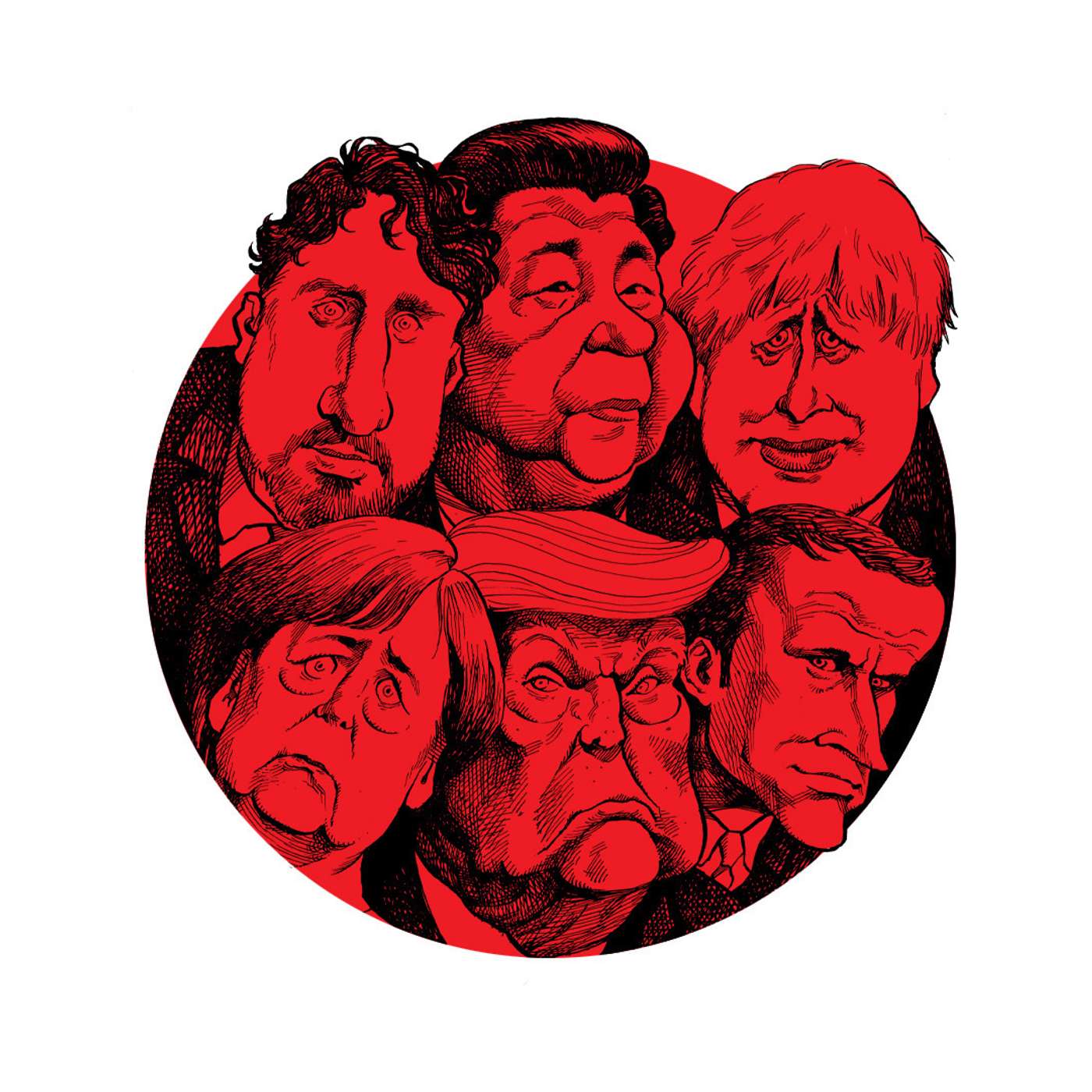
Japanification episode artwork

EPISODE · May 15, 2020 · 32 MIN

Japanification

from Eurodollar University · host Jeff Snider

It is often said that there is, "nothing new under the sun", and with a few exceptions (e.g. negative nominal interest rates, negatively priced oil, TikTok) that is true, even with a monetary gewgaw like quantitative easing.  Japan, so as to revive its economy, has been implementing different flavors of QE for just under two decades now (that's all one really needs to know about its effectiveness).  In this episode we explore what lead up to the first QE program with a tour guide: Milton Friedman.What was Friedman's analysis of 1970-90 from the perspective of money supply and economic activity?  How did the Bank of Japan seemingly lose its way during the 1990s when it had 'got it all right' during the 70s and 80s?  Why did Friedman believe that QE would be the solution?  Why did the Japanese bond market disagree from the get-go?  Why is a sovereign bond market important anyway?  Why do low rates - not high - signal monetary tightness and vice versa?  On the other side of the Pacific, in late 2001, with the Good Ship Q.E. having already been launched,  researcher Mark Spiegel from the Federal Reserve Bank of San Francisco raised a critical question: what if private banks don't want to put this newly 'printed money' to work?  In Japan that question has remained unanswered for two decades.  In the United States and Europe?  Over a decade.  Is it a matter of difficulty or ideology that impedes the answer?  We believe it is the latter.WHATThere Was Never A Need To Translate ‘Weimar’ Into Japanese by Jeff SniderReviving Japan by Milton FriedmanQuantitative Easing by the Bank of Japan by Mark SpiegelA Tally of 23 Japanese QEs by Jeff SniderWHOJeff Snider, Chief Investment Officer of Alhambra Investments and Emil Kalinowski, not bad at fantasy football.  Artwork by David Parkins, curator of the illustrated aesthetic.

Dr. Milton Friedman, in a December 1997 article, correctly diagnosed what was wrong with the Japanese economy: not enough money. His prescription? Quantitative easing. It was, unfortunately, malpractice. In late April 2020, the Bank of Japan announced its 24th iteration of it. Maaaaaaaaaaaaaaaaaaaaaaaalpractice.

NOW PLAYING

Japanification

0:00 32:57

No transcript for this episode yet

We transcribe on demand. Request one and we'll notify you when it's ready — usually under 10 minutes.

Third Eye Edify Podcast Jorge Mesa Get my new book:Paperback: https://a.co/d/httI0daEbook: https://books2read.com/u/mBAx6OCheck out my website: http://thirdeyeedify.com/Join my Bass Player University:https://jorgemesamusic.com/bassplayeruniversityThis podcast is on a relentless quest for truth, no matter what dark corner it is hiding in. Hosted on Acast. See acast.com/privacy for more information. What Works? Sophie Scott, UCL PALS Prof Sophie Scott, Director of the Institute of Cognitive Neuroscience at University College London, discusses life and science and careers with her colleagues from the Division of Psychology and Language Sciences at UCL, and beyond. The aim of the show is to highlight some amazing scientists, and explore their journeys through science and life, and find out what works for them. MomDocs St. Louis Childrens Hospital - MomDocs A monthly podcast from Washington University pediatric specialists at St. Louis Children’s HospitalThe MomDocs are pediatricians at St. Louis Children’s Hospital. They work in a variety of specialties and share their advice and expertise on the questions we all face as parents. WW2 - the Key Questions, answered by Laurence Rees. Laurence Rees A former Head of BBC TV History programmes, Laurence has specialized in writing books and making television documentaries about World War Two, the Nazis and Stalinism for thirty years. He won a BAFTA and a Peabody for his TV series 'The Nazis: A Warning from History' and a British Book Award for his book on Auschwitz, which is also the world's best selling book on this notorious camp. His book 'the Holocaust: A New History' was described by the Times as 'exemplary' and by the Daily Telegraph as 'the best single volume account of the atrocity ever written'. Educated at Oxford University, for several years he was a visiting senior fellow at the London School of Economics, London University. He holds honorary doctorates from the University of Sheffield and the Open University. Professor Robert Service, of Oxford University, described Rees as 'one of the world's experts on the Second World War'. Sir Max Hastings wrote in the Sunday Times, in a review of Laurence Rees' 'World War Two: Behi

Frequently Asked Questions

How long is this episode of Eurodollar University?

This episode is 32 minutes long.

When was this Eurodollar University episode published?

This episode was published on May 15, 2020.

What is this episode about?

It is often said that there is, "nothing new under the sun", and with a few exceptions (e.g. negative nominal interest rates, negatively priced oil, TikTok) that is true, even with a monetary gewgaw like quantitative easing.  Japan, so as to revive...

Can I download this Eurodollar University episode?

Yes, you can download this episode by clicking the download button on the episode player, or subscribe to the podcast in your preferred podcast app for automatic downloads.
URL copied to clipboard!