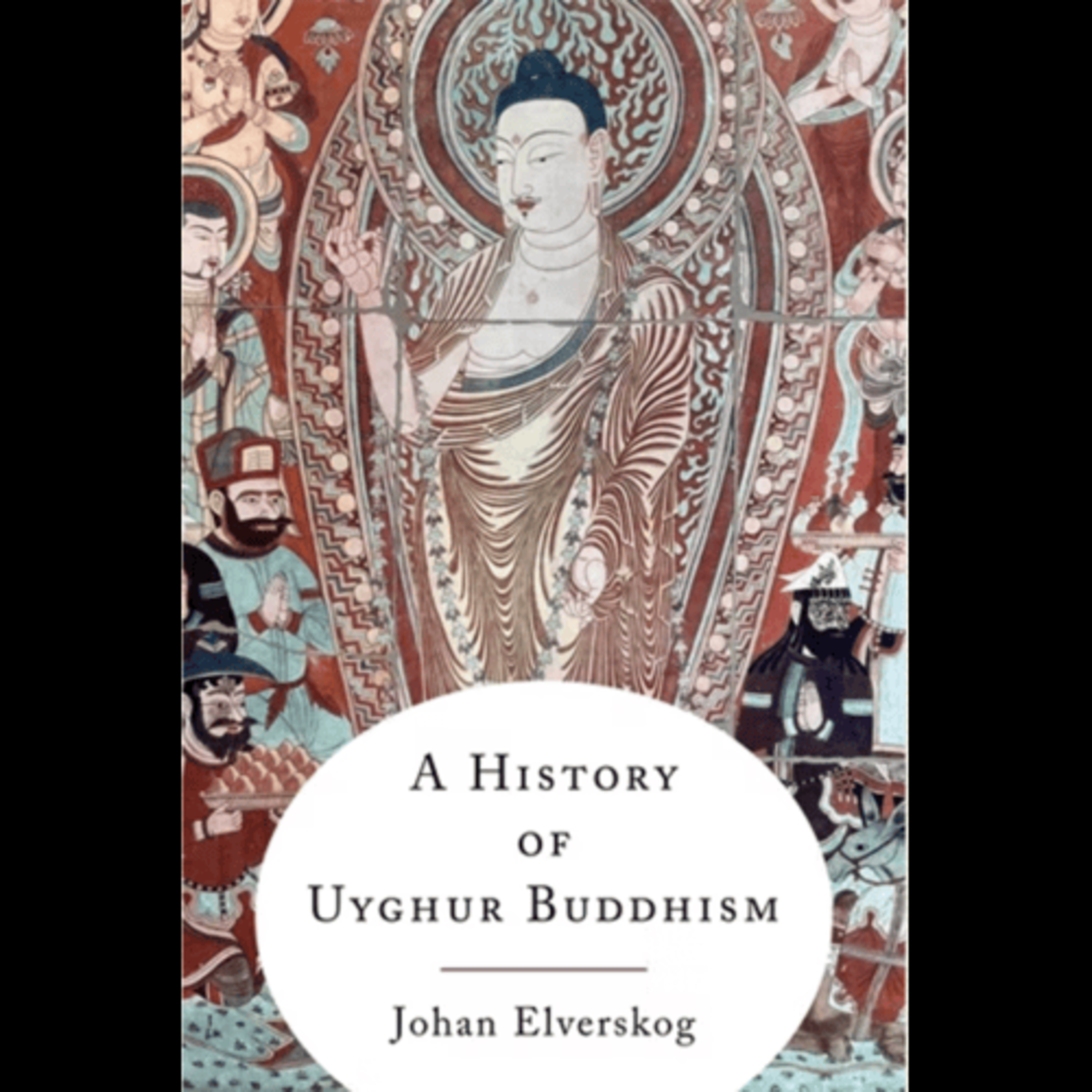
Johan Elverskog, "A History of Uyghur Buddhism," (Columbia University Press, 2024) episode artwork

EPISODE · Nov 28, 2024 · 19 MIN

Johan Elverskog, "A History of Uyghur Buddhism," (Columbia University Press, 2024)

from The New East Asian Studies Podcasts in the Age of AI · host Barton Qian

Today, most Uyghurs are Muslims. For centuries, however, Uyghurs were Buddhists. By around 1000 CE, they, like many of their neighbors, had decisively turned toward the Dharma, and a golden age of Uyghur Buddhism flourished under the Mongol empire. Dwelling along the Silk Road in what is now northwestern China, they stood at the center of Buddhist Eurasia, linking far-flung regions and traditions. But as Muslim power grew, Uyghur Buddhists converted to Islam, rewriting their past and erasing their Buddhist history.This book presents the first comprehensive history of Buddhism among the Uyghurs from the ninth to the seventeenth century. Johan Elverskog traces how the Uyghurs forged their distinctive tradition, considering a variety of social, political, cultural, and religious contexts. He argues that the religious history of the Uyghurs challenges conventional narratives of the meeting of Buddhism and Islam, showing that conversion took place gradually and was driven by factors such as geopolitics, climate change, and technological innovation. Elverskog also provides a nuanced understanding of lived Buddhism, focusing on ritual practices and materiality as well as the religion’s entanglements with economics, politics, and violence. A groundbreaking history of Uyghur Buddhism, this book makes a compelling case for the importance of the Uyghurs in shaping the course of both Buddhist and Asian history. Uyghur History Podcast East Asian Studies Podcast Uyghur Buddhism and Islam Silk Road Buddhism History of Uyghur Buddhism Johan Elverskog Uyghur history Buddhism on the Silk Road Conversion from Buddhism to Islam Uyghur culture and religion Mongol Empire and Uyghur Buddhism Buddhist Eurasia and Uyghurs Religious history of Uyghurs Islam and Buddhism in Central Asia Geopolitics and Uyghur religious conversion Climate change and Uyghur history Uyghur Buddhist rituals and materiality Economic and political influences on Uyghur Buddhism Buddhism and violence in Uyghur history Uyghur golden age of Buddhism Lived Buddhism in Central Asia Buddhist-Muslim relations in Uyghur history History of religion in Central Asia Uyghurs and Asian history Evolution of religion along the Silk Road Inner Asian History Podcast Inner Asian History Inner Asia

Today, most Uyghurs are Muslims. For centuries, however, Uyghurs were Buddhists. By around 1000 CE, they, like many of their neighbors, had decisively turned toward the Dharma, and a golden age of Uyghur Buddhism flourished under the Mongol empire. Dwelling along the Silk Road in what is now northwestern China, they stood at the center of Buddhist Eurasia, linking far-flung regions and traditions. But as Muslim power grew, Uyghur Buddhists converted to Islam, rewriting their past and erasing their Buddhist history.This book presents the first comprehensive history of Buddhism among the Uyghurs from the ninth to the seventeenth century. Johan Elverskog traces how the Uyghurs forged their distinctive tradition, considering a variety of social, political, cultural, and religious contexts. He argues that the religious history of the Uyghurs challenges conventional narratives of the meeting of Buddhism and Islam, showing that conversion took place gradually and was driven by factors such as geopolitics, climate change, and technological innovation. Elverskog also provides a nuanced understanding of lived Buddhism, focusing on ritual practices and materiality as well as the religion’s entanglements with economics, politics, and violence. A groundbreaking history of Uyghur Buddhism, this book makes a compelling case for the importance of the Uyghurs in shaping the course of both Buddhist and Asian history. Uyghur History Podcast East Asian Studies Podcast Uyghur Buddhism and Islam Silk Road Buddhism History of Uyghur Buddhism Johan Elverskog Uyghur history Buddhism on the Silk Road Conversion from Buddhism to Islam Uyghur culture and religion Mongol Empire and Uyghur Buddhism Buddhist Eurasia and Uyghurs Religious history of Uyghurs Islam and Buddhism in Central Asia Geopolitics and Uyghur religious conversion Climate change and Uyghur history Uyghur Buddhist rituals and materiality Economic and political influences on Uyghur Buddhism Buddhism and violence in Uyghur history Uyghur golden age of Buddhism Lived Buddhism in Central Asia Buddhist-Muslim relations in Uyghur history History of religion in Central Asia Uyghurs and Asian history Evolution of religion along the Silk Road Inner Asian History Podcast Inner Asian History Inner Asia

NOW PLAYING

Johan Elverskog, "A History of Uyghur Buddhism," (Columbia University Press, 2024)

0:00 19:09

No transcript for this episode yet

We transcribe on demand. Request one and we'll notify you when it's ready — usually under 10 minutes.

Frequently Asked Questions

How long is this episode of The New East Asian Studies Podcasts in the Age of AI?

This episode is 19 minutes long.

When was this The New East Asian Studies Podcasts in the Age of AI episode published?

This episode was published on November 28, 2024.

What is this episode about?

Today, most Uyghurs are Muslims. For centuries, however, Uyghurs were Buddhists. By around 1000 CE, they, like many of their neighbors, had decisively turned toward the Dharma, and a golden age of Uyghur Buddhism flourished under the Mongol empire....

Can I download this The New East Asian Studies Podcasts in the Age of AI episode?

Yes, you can download this episode by clicking the download button on the episode player, or subscribe to the podcast in your preferred podcast app for automatic downloads.
URL copied to clipboard!