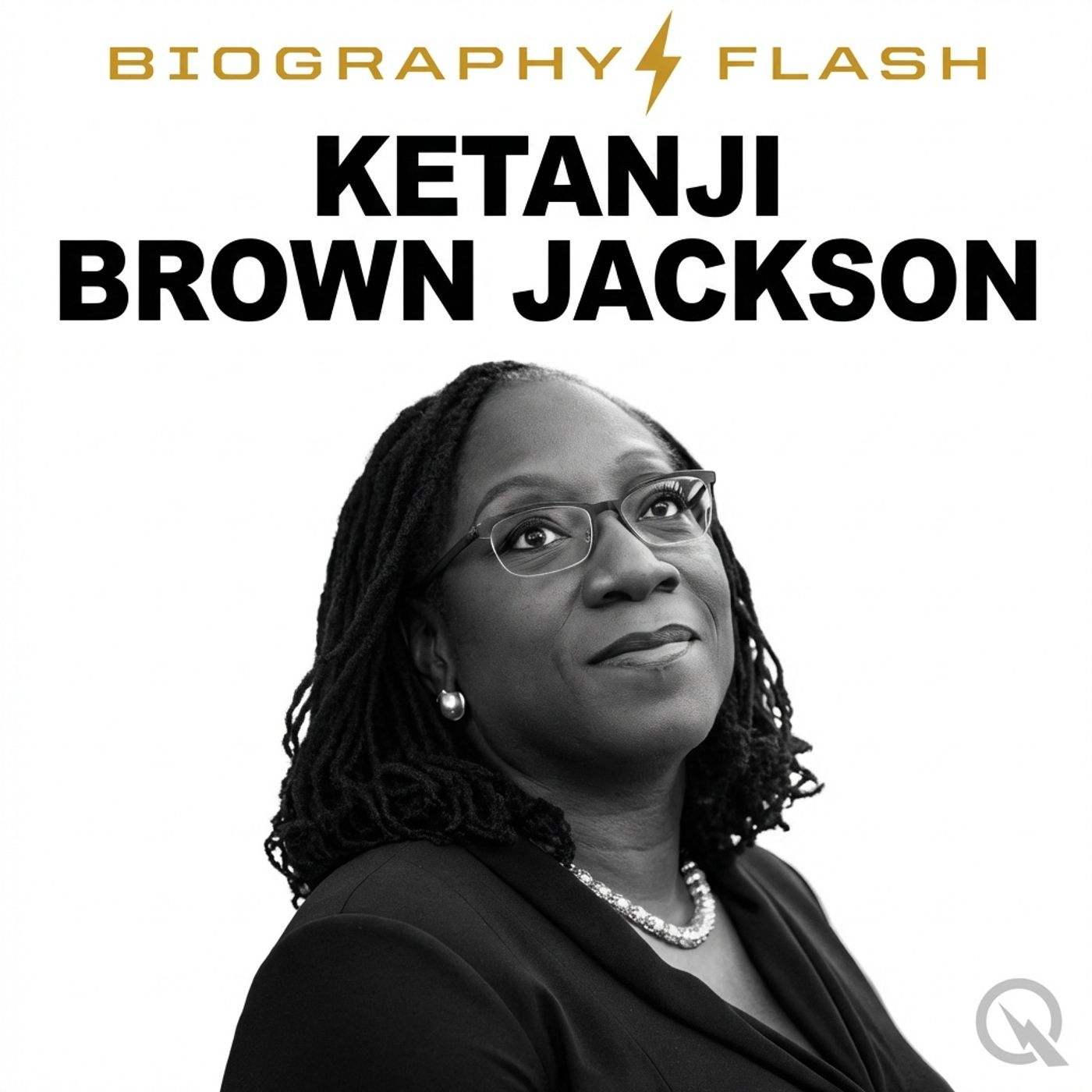
Justice Jackson's ADA Analogy Ignites Fiery Supreme Court Voting Rights Debate episode artwork

EPISODE · Oct 21, 2025 · 3 MIN

Justice Jackson's ADA Analogy Ignites Fiery Supreme Court Voting Rights Debate

from Ketanji Brown Jackson - Biography Flash · host Inception Point AI

Ketanji Brown Jackson BioSnap a weekly updated Biography. Justice Ketanji Brown Jackson has dominated headlines in recent days due to her remarks during oral arguments in the Supreme Court’s latest voting rights case, Louisiana v. Callais. On Wednesday, she referenced the Americans with Disabilities Act (ADA) as an analogy for how the government can address systemic barriers, regardless of discriminatory intent. Jackson said that just as the ADA requires buildings to be accessible without regard for original intentions, so too should voting systems be made equally open to minorities facing modern repercussions of historic discrimination. However, when she stated, “make it so they now have equal access to the voting system, right? They’re disabled,” critics on social media and some conservative commentators erupted, accusing her of likening Black voters to disabled persons, which ignited a flurry of debate. National Review and Fox News unpacked the analogy, questioning its constitutional grounding, while AFR radio and numerous pundit podcasts branded her as the Supreme Court’s most progressive and controversial voice, labeling her as President Biden’s “DEI appointment.” According to ABC News and KSAT, lawmakers and advocates have expressed concern about a broader decline in minority political representation if Section 2 of the Voting Rights Act is curtailed, with several members of Congress warning the Court’s current posture could reshape American democracy for generations. Beyond the bench, Jackson maintains a fast-paced schedule of public appearances. According to FixTheCourt, she is slated to speak at California State University Dominguez Hills on October 23 and at Springfield Symphony Hall in Massachusetts on October 27. These speaking engagements are expected to draw questions about the Court’s voting rights deliberations and her analogy, which are still fueling debates on X and Facebook. Earlier in the month she participated in a Q&A with Judge Willie Epps in Kansas City, and accepted a Good Neighbor Award from the Truman Foundation—a gesture widely lauded in civic circles. On social media, the discussion is relentless—searches for “Jackson ADA remarks” and “Supreme Court voting rights” trended nationwide. Conservative commentators have seized on the phrasing from oral arguments, with some spreading misleading claims on YouTube and Twitter, while liberal thought leaders and law professors have rushed to contextualize the analogy, pointing to similar language used by the Court in Allen v. Milligan, emphasizing that the term “disabled” refers to diminished access, not personal worth. Jackson herself has not issued any new personal statement clarifying her analogy since the oral arguments, but insiders expect she will address the controversy either directly or through her lectures in California and Massachusetts. As the Supreme Court appears poised to make a landmark decision—potentially weakening a pillar of civil rights law—Justice Jacks This content was created in partnership and with the help of Artificial Intelligence AI.

Ketanji Brown Jackson BioSnap a weekly updated Biography. Justice Ketanji Brown Jackson has dominated headlines in recent days due to her remarks during oral arguments in the Supreme Court’s latest voting rights case, Louisiana v. Callais. On Wednesday, she referenced the Americans with Disabilities Act (ADA) as an analogy for how the government can address systemic barriers, regardless of discriminatory intent. Jackson said that just as the ADA requires buildings to be accessible without regard for original intentions, so too should voting systems be made equally open to minorities facing modern repercussions of historic discrimination. However, when she stated, “make it so they now have equal access to the voting system, right? They’re disabled,” critics on social media and some conservative commentators erupted, accusing her of likening Black voters to disabled persons, which ignited a flurry of debate. National Review and Fox News unpacked the analogy, questioning its constitutional grounding, while AFR radio and numerous pundit podcasts branded her as the Supreme Court’s most progressive and controversial voice, labeling her as President Biden’s “DEI appointment.” According to ABC News and KSAT, lawmakers and advocates have expressed concern about a broader decline in minority political representation if Section 2 of the Voting Rights Act is curtailed, with several members of Congress warning the Court’s current posture could reshape American democracy for generations. Beyond the bench, Jackson maintains a fast-paced schedule of public appearances. According to FixTheCourt, she is slated to speak at California State University Dominguez Hills on October 23 and at Springfield Symphony Hall in Massachusetts on October 27. These speaking engagements are expected to draw questions about the Court’s voting rights deliberations and her analogy, which are still fueling debates on X and Facebook. Earlier in the month she participated in a Q&A with Judge Willie Epps in Kansas City, and accepted a Good Neighbor Award from the Truman Foundation—a gesture widely lauded in civic circles. On social media, the discussion is relentless—searches for “Jackson ADA remarks” and “Supreme Court voting rights” trended nationwide. Conservative commentators have seized on the phrasing from oral arguments, with some spreading misleading claims on YouTube and Twitter, while liberal thought leaders and law professors have rushed to contextualize the analogy, pointing to similar language used by the Court in Allen v. Milligan, emphasizing that the term “disabled” refers to diminished access, not personal worth. Jackson herself has not issued any new personal statement clarifying her analogy since the oral arguments, but insiders expect she will address the controversy either directly or through her lectures in California and Massachusetts. As the Supreme Court appears poised to make a landmark decision—potentially weakening a pillar of civil rights law—Justice Jacks This content was created in partnership and with the help of Artificial Intelligence AI.

NOW PLAYING

Justice Jackson's ADA Analogy Ignites Fiery Supreme Court Voting Rights Debate

0:00 3:51

No transcript for this episode yet

We transcribe on demand. Request one and we'll notify you when it's ready — usually under 10 minutes.

Read to Lead Podcast Jeff Brown If you believe as I do, that intentional and consistent reading is key to success in business and in life, then this is your podcast. My goal each week is to bring you key thoughts and insights from my conversations with those I consider to be among today's brightest minds: our generation's non-fiction authors. We discuss their latest book, as well as their unique perspectives on Leadership, Business, Personal Development, Marketing, Career, and Entrepreneurship. If you love reading, or desire to do more of it, then consider this podcast your audio Cliff's Notes. The Read to Lead Podcast is a four-time Best Business Podcast nominee. 2 B's in a Pod Branden and Brown 2 B's in a Pod is an exciting new podcast that has just launched, featuring captivating conversations and engaging interviews with UFC fighters, powerful CEOs,professional athletes and other enticing figures. Hosted by life long friends Branden and Brown, this podcast takes listeners on a journey into the world of sports and a vast variety of other entertaining adventures. With a focus on the experiences and stories of UFC fighters, powerful CEOS, other professional athletes, and larger than life figures each episode offers an exclusive glimpse into their lives both inside and outside the cage, field and office. Through candid discussions, the podcast explores the challenges, triumphs, and personal journeys of these remarkable individuals. 2 B's in a Pod engaging interview style and genuine curiosity bring out the best in their guests, as they share their insights, motivations, and the behind-the-scenes realities of these intriguing figures. Whether you're a sports fan, an aspiring ath A time not to be forgotten zhanglaiwan literature:The Wisdom of Father Brown By: G. K. Chesterton (1874-1936)Adam Bede By: George Eliot (1819-1880)The Chessmen of Mars By: Edgar Rice Burroughs (1875-1950)Rebecca of Sunnybrook Farm By: Kate Douglas Wiggin (1856-1923)The Rosary By: Florence Louisa Barclay (1862-1921)A Girl of the Limberlost By: Gene Stratton-Porter (1863-1924)Diary of a U-boat Commander By: Sir Stephen King-HallBrewster's Millions By: George Barr McCutcheon (1866-1928)Fables for the Frivolous By: Guy Wetmore Carryl (1873-1904)Julius Caesar By: William Shakespeare (1564-1616)The Abbots Ghost or Maurice Treherne Temptation By: Louisa May AlcottFavorite Chapters Collection By: VariousConfessions By: Jean-Jacques Rousseau (1712-1778)32 Caliber By: Donald McGibneyThe Happy Prince and Other Tales By: Oscar Wilde (1854-1900)Helen's Babies By: John HabbertonMiddlemarch By: George EliotCrome Yellow By: Aldous Hu The Late Set WRTI Jazz is a conversation — and that’s what The Late Set is all about. Originated by critic Nate Chinen and broadcaster Greg Bryant, the show now convenes Chinen and Josh Jackson twice a month for perceptive variations on a theme, and their related interview with a special guest. Just like a hang at the end of the gig, in the back of the club, it’s direct, unfiltered and illuminating, revealing the music and its culture in a deeper light.

Frequently Asked Questions

How long is this episode of Ketanji Brown Jackson - Biography Flash?

This episode is 3 minutes long.

When was this Ketanji Brown Jackson - Biography Flash episode published?

This episode was published on October 21, 2025.

What is this episode about?

Ketanji Brown Jackson BioSnap a weekly updated Biography. Justice Ketanji Brown Jackson has dominated headlines in recent days due to her remarks during oral arguments in the Supreme Court’s latest voting rights case, Louisiana v. Callais. On...

Can I download this Ketanji Brown Jackson - Biography Flash episode?

Yes, you can download this episode by clicking the download button on the episode player, or subscribe to the podcast in your preferred podcast app for automatic downloads.
URL copied to clipboard!