
EPISODE · Nov 16, 2025 · 3 MIN
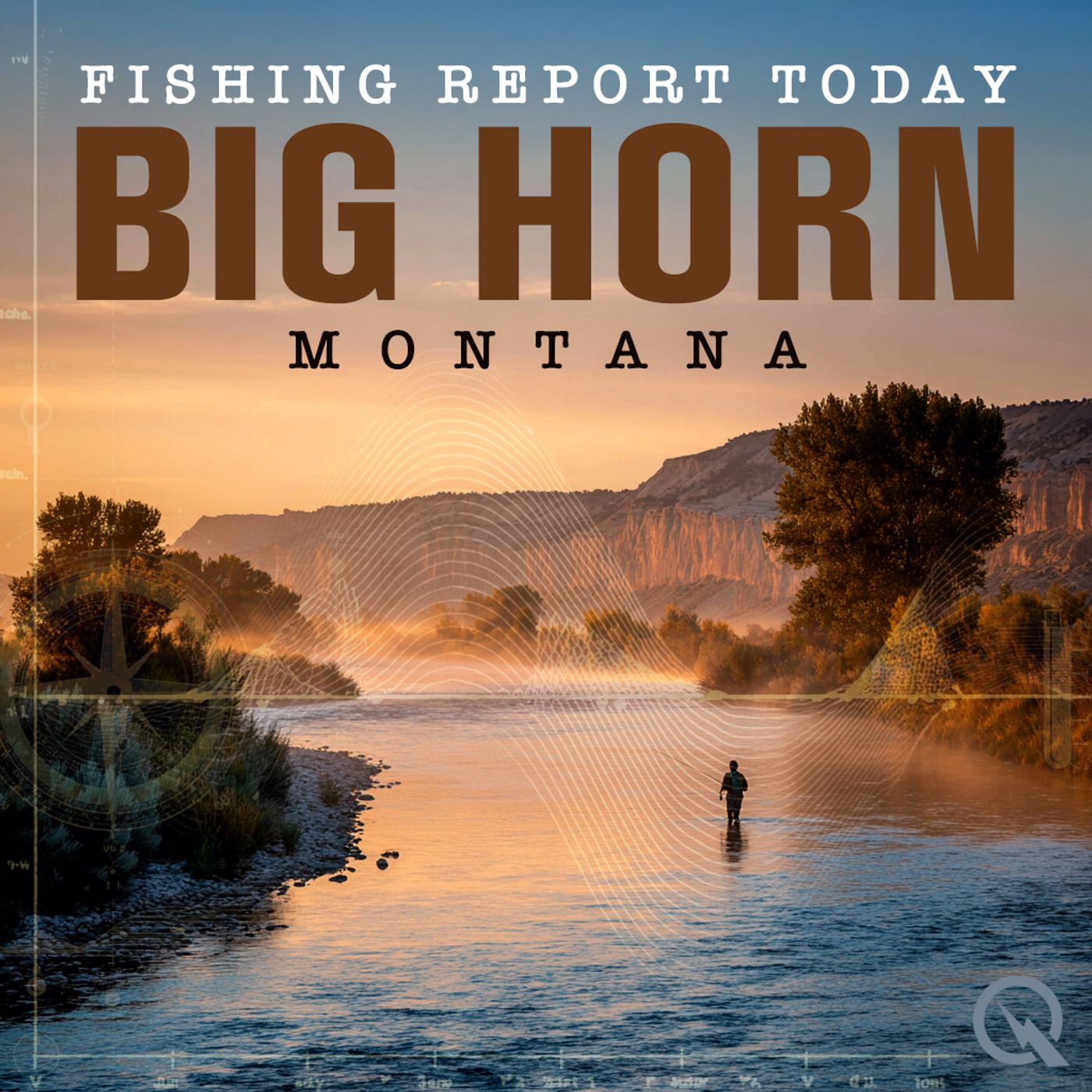
Late Fall Fishing in Big Horn, Montana - Trout, Walleye, and Pike Provide Excellent Angling Action
from Big Horn Montana Fishing Report Today · host Inception Point AI
The air’s cold and crisp out here in Big Horn, Montana, as November lays its first real claim on the landscape. With hunters pushing deep into the hills, local rivers and lakes are left peaceful, with barely another angler in sight. Today’s weather started off clear and brisk—temperatures right around freezing at dawn, slow to climb, barely nudging past 40 even at midday. The wind is mostly calm, swirling just enough to keep the bite interesting. Sky’s been pale, with sunrise coming at 7:13 a.m. and sunset sliding in at 4:41 p.m. No tidal shifts out this way, just steady reservoir and river flow. Folks fishing yesterday and early this morning reported excellent action around Fort Peck, the Yellowstone, and the big bends of the Bighorn River. Word from Montana Outdoor Radio Show says post-spawn browns are on the move and rainbows are getting active, picking up on streamers and nymphs during the warmer mid-day stretches. Water temps have dropped quick, so fish are tucked tight to structure—timing is everything. Fort Peck’s turning wintery, but deepwater walleye and trout are cooperating where the spoons and slow jigs drop down near ledges and sunken timber. Anglers at Fort Peck just wrapped up the annual Chinook salmon egg take, with nearly 900,000 eggs collected—most from healthy, younger females averaging about 15 pounds, promising good runs next year. This fall’s catch did see fewer salmon than last year, especially among the 2-year-olds, but some fat 3- and 4-year-old Chinooks were landed throughout October and early November. Pike and smallmouth bass have also been feisty lately, with a few big northern pike pushing 40 inches reported from colder back bays. Bighorn River, especially below the Afterbay and along the upper boat ramps, is reliably producing trophy trout as always, especially for those working streamers like olive peanut butter, black woolly buggers, and classic zonkers. Midges and smaller nymphs on light tippet are drawing strikes from rainbows feeding slow along the seams. If you’re banking or wading, best results are coming from deeper runs as trout are stacking up in cold pools. Lure choice this time of year is all about presenting something slow and tempting: big, flashy streamers for browns and rainbows in moving water; small jigging spoons and rubber-tail grubs in silver or chartreuse for Fort Peck walleye and trout. If you’re crankbaiting for pike, stick with fire-tiger patterns and slow retrieves. Live bait—nightcrawlers and fathead minnows—continue to outfish artificial in stillwater spots, especially right after sunrise. Some real hot spots worth hitting: - Fort Peck Reservoir: Focus near the dam and around duck creek for walleye, with trout schooling deeper. - Bighorn River: Afterbay section down to 3 Mile Fishing Access—steady action on trout and maybe a late brown on the move. - South end of Dry Creek and Yellowtail: Pike and smallmouth structure bites are still strong before full freeze-up. Conditions out ther This content was created in partnership and with the help of Artificial Intelligence AI.
Embed this episode
Ready to play
Late Fall Fishing in Big Horn, Montana - Trout, Walleye, and Pike Provide Excellent Angling Action
No transcript for this episode yet
Similar Episodes
No similar episodes found.
Similar Podcasts
No similar podcasts found.