
EPISODE · Jul 25, 2024 · 9 MIN
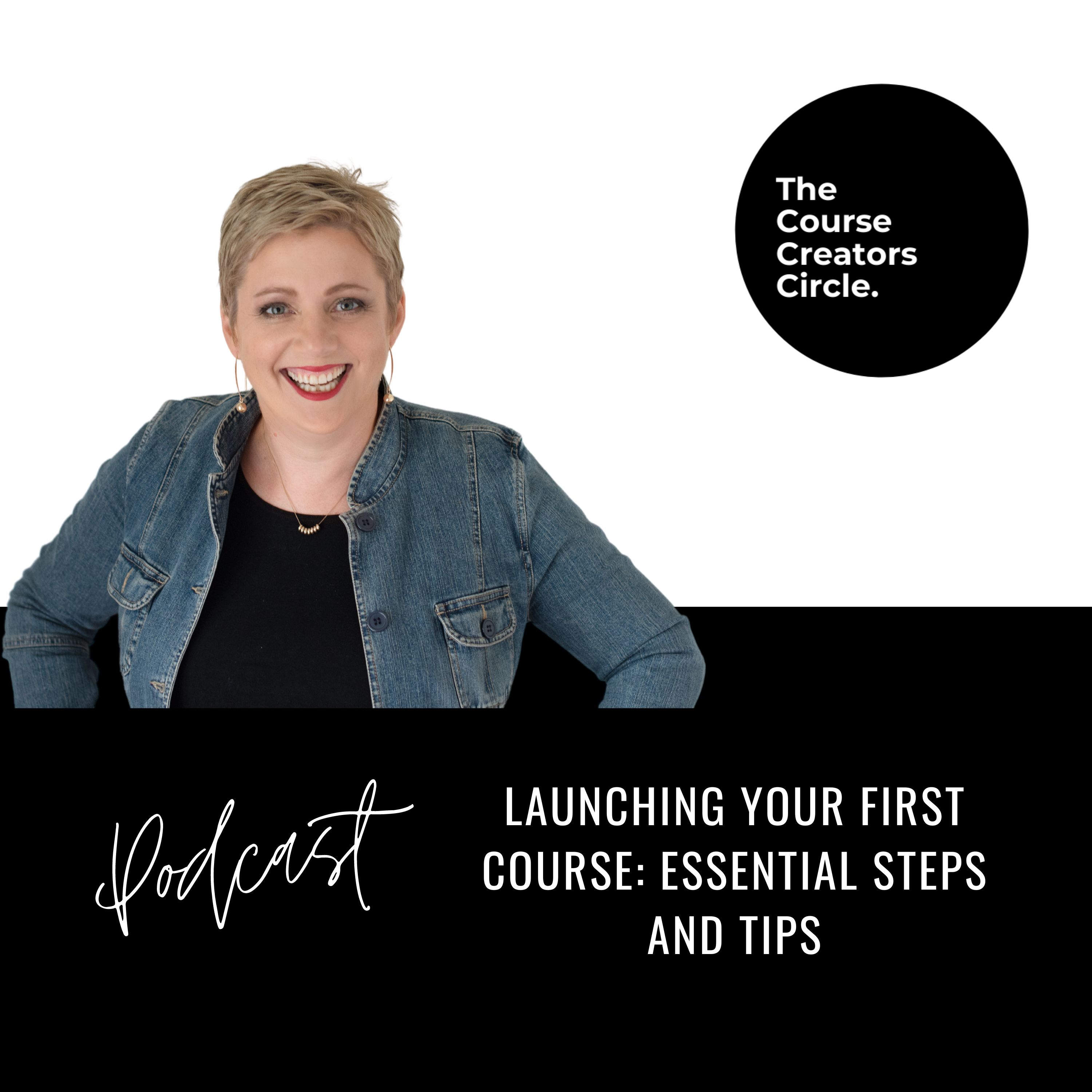
Launching Your First Course: Essential Steps and Tips
from The Course Creators Circle Podcast · host The Course Creators Circle Podcast
Creating your first online course is an exciting and rewarding journey, but knowing where to start can be overwhelming. Whether you're an experienced professional or a passionate hobbyist, your knowledge holds incredible value. In this guide, I will walk you through the essential steps and provide practical advice to help you turn your expertise into a valuable online course. From debunking common myths to identifying your ideal students, these steps will set you on the path to success. Let’s dive in and explore how to make your course creation journey a successful and enjoyable experience. Debunking Common Myths About Course Creation Several misconceptions can hold you back, but I’m here to set the record straight: Perfection Isn’t Necessary: Your first course doesn’t have to be perfect. Every course evolves, and those initial imperfections are part of the journey. Continuous improvement is key. You Are Good Enough: Doubts about your ability to teach are natural, but your unique style and approach are what attract students. People seek your perspective and way of explaining things. Tools and Resources: High-end equipment and a large following are not prerequisites for creating a course. Start with what you have and focus on building an engaged audience rather than a large one. Understanding the Value of Your Expertise I can’t stress enough how important it is to recognise and value your expertise, no matter where it comes from. Whether your knowledge is from a hobby or professional experience, it’s incredibly valuable. People are always searching online for guidance, often looking for the exact skills and know-how you possess. Never underestimate the worth of your knowledge. Teaching What You Know Teach subjects you are passionate about and can discuss extensively. These areas often provide the most value and engage students effectively. Share your knowledge, shortcuts, and steps that have helped you in your journey. Utilising Search Tools Tools like Answer the Public can provide insights into what potential students are searching for. Use these insights to develop course content that addresses common queries and interests. When naming your course, consider using popular search terms to enhance discoverability. Setting Realistic Expectations Setting achievable goals for both yourself and your students is crucial. Break down the course into manageable steps, providing students with small, attainable wins. This approach keeps them motivated and prevents overwhelm. Identifying Your Ideal Student Understanding who your ideal student is and what their pain points are can significantly impact the effectiveness of your course. Tailor your content to address their specific needs. For me, my ideal students are small business owners looking to enhance their marketing impact. Pricing and Delivery Methods Consider the costs involved in creating your course, including the time and resources required. Choose a platform that suits your needs, such as Thinkific, and determine a fair price. Additionally, decide on the delivery method, whether it’s live, pre-recorded, or a combination of both. Managing Your Time Creating a course demands a considerable time investment. I recommend time blocking and possibly setting aside dedicated days solely for course creation. This focused approach can help you avoid distractions and maintain productivity. Final Takeaway Creating a course is not just about sharing knowledge; it’s about making a meaningful impact on your students' lives. Embrace the journey, learn from the process, and continuously refine your content to meet the evolving needs of your audience. With dedication and passion, your first course can become a stepping stone to even greater opportunities. I encourage all of you to leverage your unique expertise and approach to develop valuable and engaging courses. By understanding your audience, setting realistic goals, and using the right tools, you can successfully launch your first course. For a step-by-step guide to help you kickstart your course creation journey, check out The Course Creation Guidebook and The Course Creators Circle Hub. Highlights 00:33 Getting Started with Your First Course 01:01 Valuing Your Expertise 01:50 Debunking Course Creation Myths 03:50 Setting Realistic Expectations 04:49 Identifying Your Ideal Student 05:26 Pricing Your Course 05:54 Choosing Your Teaching Style 06:12 Time Management for Course Creation 07:01 Teaching What You Know 08:13 Leveraging Search Insights 09:05 Conclusion and Resources Resources Mentioned in the Podcast The Course Creators Circle Hub https://enevergroup.thinkific.com/courses/coursecreatorscircle The Course Creation Guidebook https://www.enevergroup.com.au/product/the-course-creators-circle-course-creation-guidebook-create-that-course/ The Course Creator’s Toolkit https://www.enevergroup.com.au/the-course-creators-toolkit/ Learning Style Quiz https://www.enevergroup.com.au/what-is-your-learning-style-quiz/ Course Planning Sheets https://www.enevergroup.com.au/product/course-creators-circle-course-planning-sheets/
What this episode covers
Creating your first online course is an exciting and rewarding journey, but knowing where to start can be overwhelming. Whether you're an experienced professional or a passionate hobbyist, your knowledge holds incredible value. In this guide, I will walk you through the essential steps and provide practical advice to help you turn your expertise into a valuable online course. From debunking common myths to identifying your ideal students, these steps will set you on the path to success. Let’s dive in and explore how to make your course creation journey a successful and enjoyable experience. Debunking Common Myths About Course Creation Several misconceptions can hold you back, but I’m here to set the record straight: Perfection Isn’t Necessary: Your first course doesn’t have to be perfect. Every course evolves, and those initial imperfections are part of the journey. Continuous improvement is key. You Are Good Enough: Doubts about your ability to teach are natural, but your unique style and approach are what attract students. People seek your perspective and way of explaining things. Tools and Resources: High-end equipment and a large following are not prerequisites for creating a course. Start with what you have and focus on building an engaged audience rather than a large one. Understanding the Value of Your Expertise I can’t stress enough how important it is to recognise and value your expertise, no matter where it comes from. Whether your knowledge is from a hobby or professional experience, it’s incredibly valuable. People are always searching online for guidance, often looking for the exact skills and know-how you possess. Never underestimate the worth of your knowledge. Teaching What You Know Teach subjects you are passionate about and can discuss extensively. These areas often provide the most value and engage students effectively. Share your knowledge, shortcuts, and steps that have helped you in your journey. Utilising Search Tools Tools like Answer the Public can provide insights into what potential students are searching for. Use these insights to develop course content that addresses common queries and interests. When naming your course, consider using popular search terms to enhance discoverability. Setting Realistic Expectations Setting achievable goals for both yourself and your students is crucial. Break down the course into manageable steps, providing students with small, attainable wins. This approach keeps them motivated and prevents overwhelm. Identifying Your Ideal Student Understanding who your ideal student is and what their pain points are can significantly impact the effectiveness of your course. Tailor your content to address their specific needs. For me, my ideal students are small business owners looking to enhance their marketing impact. Pricing and Delivery Methods Consider the costs involved in creating your course, including the time and resources required. Choose a platform that suits your needs, such as Thinkific, and determine a fair price. Additionally, decide on the delivery method, whether it’s live, pre-recorded, or a combination of both. Managing Your Time Creating a course demands a considerable time investment. I recommend time blocking and possibly setting aside dedicated days solely for course creation. This focused approach can help you avoid distractions and maintain productivity. Final Takeaway Creating a course is not just about sharing knowledge; it’s about making a meaningful impact on your students' lives. Embrace the journey, learn from the process, and continuously refine your content to meet the evolving needs of your audience. With dedication and passion, your first course can become a stepping stone to even greater opportunities. I encourage all of you to leverage your unique expertise and approach to develop valuable and engaging courses. By understanding your audience, setting realistic goals, and using the right tools, you can successfully launch your first course. For a step-by-step guide to help you kickstart your course creation journey, check out The Course Creation Guidebook and The Course Creators Circle Hub. Highlights 00:33 Getting Started with Your First Course 01:01 Valuing Your Expertise 01:50 Debunking Course Creation Myths 03:50 Setting Realistic Expectations 04:49 Identifying Your Ideal Student 05:26 Pricing Your Course 05:54 Choosing Your Teaching Style 06:12 Time Management for Course Creation 07:01 Teaching What You Know 08:13 Leveraging Search Insights 09:05 Conclusion and Resources Resources Mentioned in the Podcast The Course Creators Circle Hub https://enevergroup.thinkific.com/courses/coursecreatorscircle The Course Creation Guidebook https://www.enevergroup.com.au/product/the-course-creators-circle-course-creation-guidebook-create-that-course/ The Course Creator’s Toolkit https://www.enevergroup.com.au/the-course-creators-toolkit/ Learning Style Quiz https://www.enevergroup.com.au/what-is-your-learning-style-quiz/ Course Planning Sheets https://www.enevergroup.com.au/product/course-creators-circle-course-planning-sheets/
NOW PLAYING
Launching Your First Course: Essential Steps and Tips
No transcript for this episode yet
Similar Episodes
Mar 26, 2026 ·1m
Mar 19, 2026 ·34m
Feb 18, 2026 ·11m
Feb 11, 2026 ·45m