PodParley PodParley

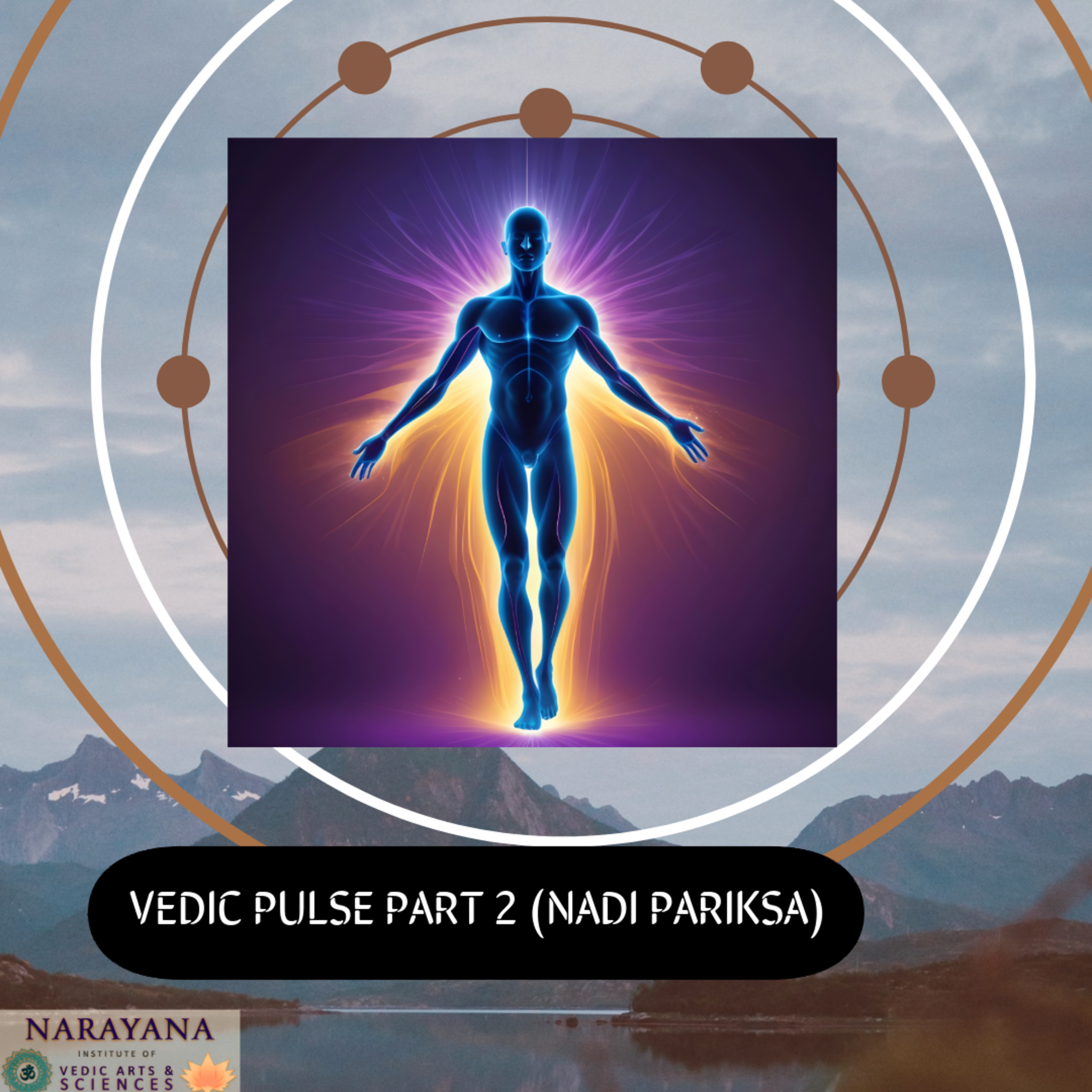
Learn Vedic Nadi Part 2

Episode 1 of the Vedic arts: Ayurveda, Jyotish, Vastu, & Chants podcast, hosted by Vedic Arts by Narayana, titled "Learn Vedic Nadi Part 2" was published on March 18, 2025 and runs 20 minutes.

March 18, 2025 ·20m · Vedic arts: Ayurveda, Jyotish, Vastu, & Chants

0:00 / 0:00

This is the Part 2 of Learn about Vedic Nadi -the energetic signature of our body that flows in our invisible energetic channels. You can listen to part 1 here. https://open.spotify.com/episode/6Z3KbVQ3bhW9Ot5ItLzwzU?si=nuTLDb_mR_iGpY2zBxfrRQ

This is the Part 2 of Learn about Vedic Nadi -the energetic signature of our body that flows in our invisible energetic channels. You can listen to part 1 here. https://open.spotify.com/episode/6Z3KbVQ3bhW9Ot5ItLzwzU?si=nuTLDb_mR_iGpY2zBxfrRQ

Education In Ancient & Medieval Period Bioscience Tree - Upma Mam Education in Ancient & Medieval periodEducation in India during-:# Vedic period# Buddhist period# Medieval period Taittriyaka Upanishad by Unknown Loyal Books The word Upanishad (upa-ni-shad) consists of, "Upa" means "near;" "ni" means "down;" "shad" means "to sit." Thus, Upanishad is to sit down near the teacher to discuss, learn, practice, and experience. There are some 200 or more Upanishads. Some are lost and are only known about because of being referenced in other Upanishads. Most of the Upanishads were kept secret for centuries, only passed on to others orally in the form of Shloka (a category of verse line developed from the Vedic Anustubh meter).Taittiriya is a Sanskrit word that means "from Tittiri". The root of this name has been interpreted in two ways: "from Vedic sage Tittiri" or a collection of verses from mythical students who became Tittiris (birds, partridges) in order to gain knowledge.This Upanishad is divided into three sections called Vallis: Siksha (Pronunciation /Instruction) Valli , Ananda (bliss of Brahman) Valli , and Bhrigu (son of Varuna, the god of all water elements) Valli.The chronology of Taittriyaka Upanish Katha Upanishad by Unknown Loyal Books The word Upanishad (upa-ni-shad) consists of, "Upa" means "near;" "ni" means "down;" "shad" means "to sit." Thus, Upanishad is to sit down near the teacher to discuss, learn, practice, and experience. There are some 200 or more Upanishads. Some are lost and are only known about because of being referenced in other Upanishads.Most of the Upanishads were kept secret for centuries, only passed on to others orally in the form of Shloka (a category of verse line developed from the Vedic Anustubh meter).Katha-Upanishad is one the 11 principal Upanishads. Its chronology is contested as being between fifth century BCE and 1st millennium BCE.Katha (Sanskrit: कठ) literally means "distress". Katha Upanishad uses words that symbolically embed and creatively have multiple meanings. For example, a closely pronounced word Katha (Sanskrit: कथा) literally means "story, legend, conversation, speech, tale". All of these related meanings are relevant to the Katha Upanishad.The text presents Death as the T Chandogya Upanishad by Unknown Loyal Books The word Upanishad (upa-ni-shad) consists of, "Upa" means "near;" "ni" means "down;" "shad" means "to sit." Thus, Upanishad is to sit down near the teacher to discuss, learn, practice, and experience. There are some 200 or more Upanishads. Some are lost and are only known about because of being referenced in other Upanishads. The Chandogya-upanishad belongs to the Sama-veda. It ranks among the oldest Upanishads, dating to the Brahmana period of Vedic Sanskrit (before the 8th century BC). It figures as number 9 in the Muktika canon of 108 Upanishads. It is part of the Chandogya Brahmana, which has ten Prapathakas (Parts). The first two Prapathakas of the Brahmana deal with sacrifices and other forms of worship. The other eight Prapathakas and their Khandas (Chapters) constitute the Chandogya Upanishad. The 11 principal Upanishads to which Sankara appeals in his great commentary on the Vedanta-Surtras are: Chandogya, Talavakara or Kena, Aitareya, Kaushitaki, Vajasaneyi or Isha, Katha, Mu
URL copied to clipboard!