
EPISODE · Jun 19, 2026 · 44 MIN
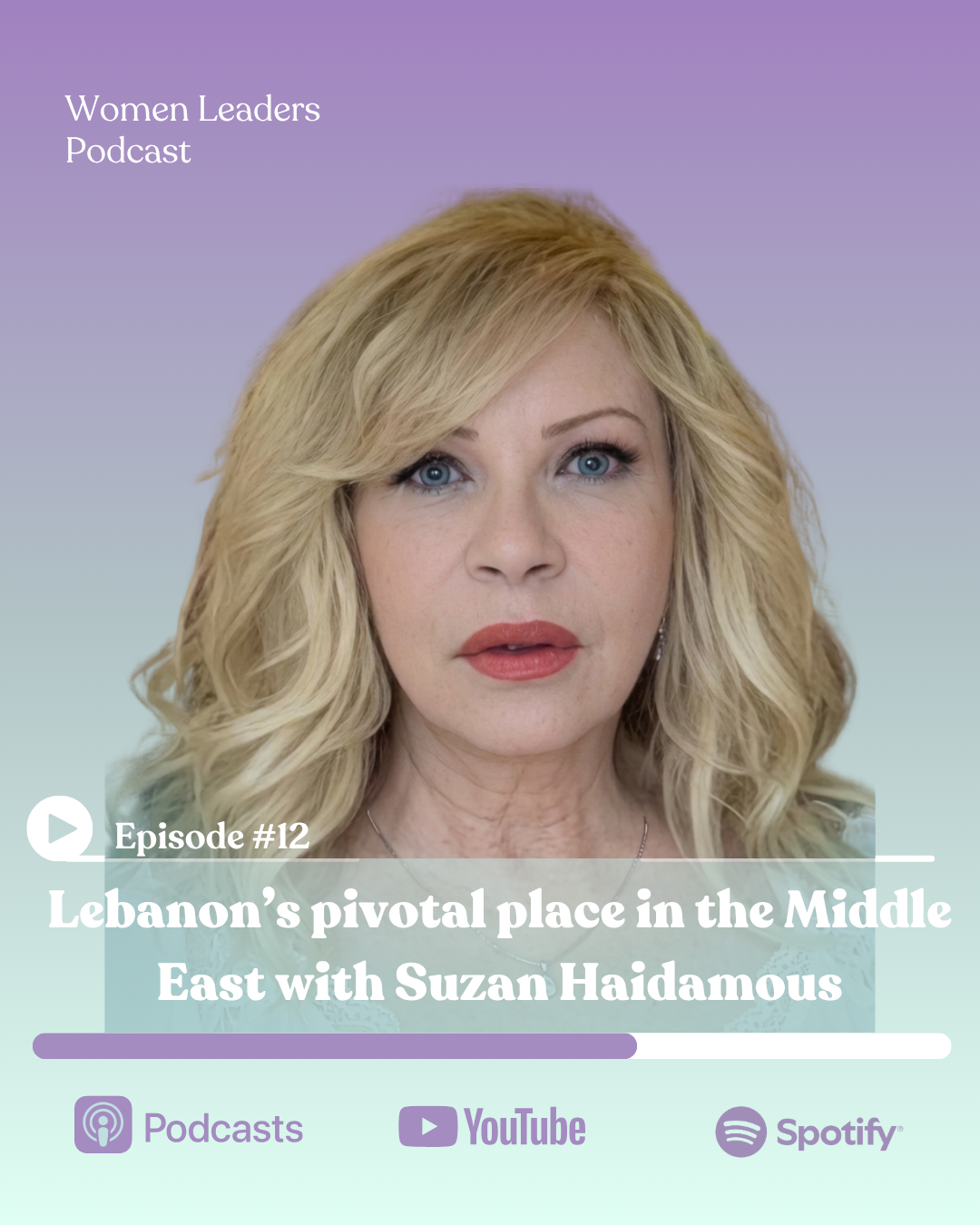
Lebanon’s pivotal place in the Middle East with Suzan Haidamous
from Women Leaders
The war in Iran, and the broader Middle East, is apparently over — at least according to US President Trump. A 14-point agreement between the US and Iran has been signed - in Versailles Palace, where the ill-fated agreement ending World War I was signed - largely giving Iran all it asked for. The world economy may eventually return to some semblance of normality as the Strait of Hormuz reopens, assuming it really does, but the region as a whole is far from at peace, and somewhat far from comprehending a deal that stablizes remarkably little. This is especially true to Lebanon: torn apart by its own sectarian violence and economic deterioration, it has become the core issue of dispute. For Iran, Hezbollah must remain intact and in control, with Iranian oversight of the whole country; for Israel, Hezbollah must be disarmed and removed from Lebanon’s southern border.Neither Israel nor Lebanon are parties to the newly signed 14-point agreement, though both have now embarked upon some kind of talks sponsored by the US. That may not matter, as in the complex web of Lebanese politics, Hezbollah is more powerful than the government. However, it has been weakened dramatically by Israel, that is also pushing back on it while licking its wounds from what seems like a humiliating defeat.Suzan Haidamous, Beirut-based correspondent for the Washington Post, is the perfect person to make some sense of Lebanon’s predicaments. In a great and wise conversation, she brings lived experience of Lebanon coupled with great insight and compassion.Chapters:Understanding Lebanon and Syria todayReporting from the ground: experiences in SyriaHezbollah's role and influence in LebanonThe future of Lebanon and regional dynamics with IranIs there still hope for peace in the Middle East?Mentions2024 beeper attack on Hezbollah2024 walkie talkie attack on HezbollahSusannah George - Washington post pageLiz Sly - Washington post pageUN Security Council resolution 1701UN News - Explainer: What is Security Council resolution 1701?Women Leaders - As missiles flySuzan Haidamous article “An airstrike trapped a journalist”FollowSuzan Haidamous Washington Post page LinkedInIlana Bet-ElInstagram @women_leaders_podcastListen to this episode on our YouTube channelOur partner European Leadership Network Twitter LinkedIn Facebook websiteCreditsProduction: Florence FerrandoMusic: Let Good Times Roll, RA from #Uppbeat (free for Creators!): https://uppbeat.io/t/ra/let-good-times-rollLicense code: ZXIIIJUU2ISPZIJTContribute to the conversation with a comment & a 5-⭐️Reach us on our Instagram and follow for updates @women_leaders_podcastWatch now our episode on Youtube Hosted on Acast. See acast.com/privacy for more information.
Embed this episode
NOW PLAYING
Lebanon’s pivotal place in the Middle East with Suzan Haidamous
No transcript for this episode yet
Similar Episodes
No similar episodes found.
Similar Podcasts
No similar podcasts found.