
EPISODE · Aug 17, 2025 · 32 MIN
Let God be God
from South Shore Community Church · host Dr. Nic Williams
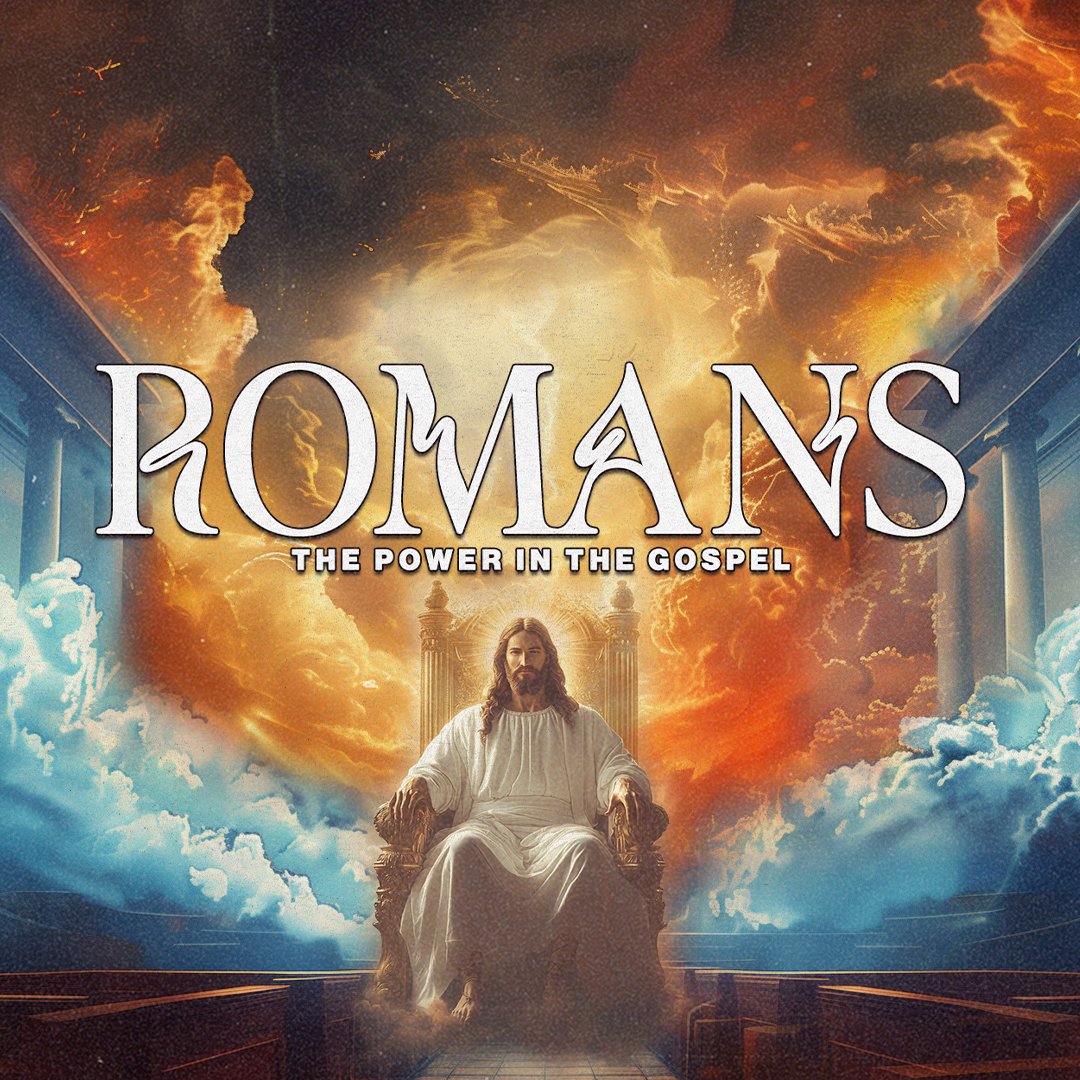
Romans 9 presents a dramatic shift from Paul's triumphant declaration of God's love in chapter 8 to his profound grief over his fellow Israelites who rejected Christ. Paul's sorrow is so deep that he states he would be willing to be cut off from Christ for their sake—a powerful example of Christlike love for the lost. He recounts Israel's incredible spiritual privileges: their adoption as God's people, the divine glory, covenants, law, temple worship, promises, patriarchs, and even the Messiah himself came through them. Yet despite these blessings, many missed recognizing Jesus as the promised one. Paul addresses a critical question: Has God's word failed? His answer is that God's promises were never based merely on physical descent from Abraham but on His sovereign choice. Using examples like Isaac over Ishmael and Jacob over Esau, Paul demonstrates that God's mercy is given according to His purposes, not human merit. When faced with objections about fairness, Paul reminds readers that mercy, by definition, is never owed—if it were, it wouldn't be mercy. The potter and clay metaphor reinforces that God has the right to shape His creation according to His will. The chapter concludes by explaining that while many Gentiles received righteousness through faith, many Israelites stumbled because they pursued righteousness through works rather than faith. This profound teaching calls believers to embrace humility, trust God's sovereign plan, find rest in His purposes, and share His mercy with others.
Embed this episode
NOW PLAYING
Let God be God
No transcript for this episode yet
Similar Episodes
No similar episodes found.
Similar Podcasts
No similar podcasts found.