
EPISODE · Mar 18, 2026 · 1H 10M
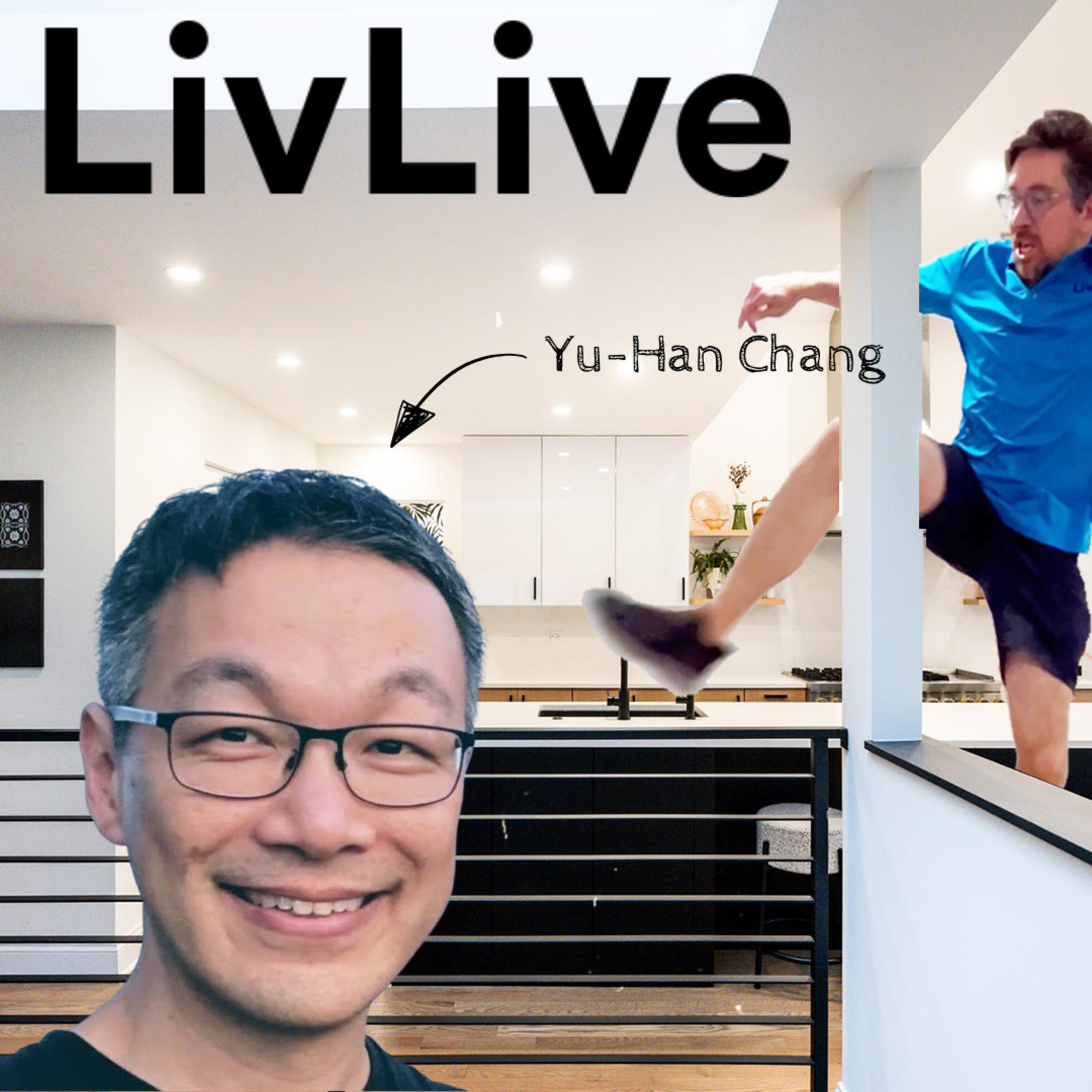
LivLive Ep. 0000033 - Yu-Han Chang
from LivLive: Design, Building, and the Business of Remodeling · host David Pollard
Spatial AI, Machine Intelligence, and the Future of BuildingIn this episode of LivLive, Dave sits down with Yu-Han Chang—Harvard graduate, MIT PhD, and longtime AI researcher—to unpack what artificial intelligence really is, where it came from, and where it’s headed—especially for the design and construction world.Yu-Han brings over 20 years of experience in AI, going back to a time when the term itself was avoided and the field was simply called machine learning. He walks through the evolution from early classification models—think reading handwritten mail or identifying simple patterns—to today’s explosive wave of generative AI and spatial intelligence.But this isn’t just a history lesson.The conversation digs into a much bigger idea: machines are no longer just recognizing the world—they’re starting to understand it.That shift—from classification to contextual understanding—is what opens the door to spatial AI: systems that can interpret environments, geometry, and human interaction in real-world spaces. And that’s where things get very real for architects, builders, and designers.Dave and Yu-Han explore what this means for the building industry:How AI could move from back-office automation into design thinking and decision-makingThe potential for machines to interpret drawings, spaces, and construction intentWhy the biggest opportunity isn’t replacing people—but augmenting human expertiseAnd the real challenge ahead: separating hype from meaningful, usable toolsA key theme throughout the episode is timing. While AI feels like it “arrived overnight,” Yu-Han makes it clear this has been decades in the making—and we’re still early in understanding how to apply it responsibly and effectively.The conversation stays grounded in reality: AI is powerful, but only when paired with human judgment, domain knowledge, and clear intent. Especially in an industry like construction, where context, nuance, and execution matter.This episode is less about tools—and more about mindset.If you’re in design, construction, or development and trying to make sense of AI beyond the headlines, this is a conversation worth paying attention to.Why “AI” used to be a dirty word—and what changed around 2016 and again in 2023The difference between early machine learning (classification) and today’s AI (understanding + generation)What spatial AI actually means—and why it matters for architecture and constructionWhere AI can realistically support (not replace) designers and buildersWhy the biggest risk right now is misapplying AI—not missing itHow to think about AI as a long-term shift, not a short-term tool00:00 – Intro & Guest BackgroundDave introduces Yu-Han Chang and his deep academic and industry experience in AI.02:00 – The Early Days of AI (Before It Was “AI”)Why the field avoided the term and focused on machine learning instead.05:00 – What Machine Learning Actually Did Back ThenFrom OCR and classifiers to the limitations of early models.10:00 – The Inflection Point (2016 → 2023)How breakthroughs—and public awareness—changed everything.18:00 – From Recognition to UnderstandingThe critical shift that unlocks real-world applications.28:00 – What Is Spatial AI?How machines begin to interpret physical space, not just data.40:00 – Implications for Design & ConstructionWhere AI could realistically impact workflows, drawings, and decisions.52:00 – Hype vs. Reality in AIWhy most people are either overestimating or misapplying the technology.1:05:00 – The Human + AI FutureWhy domain expertise becomes more valuable—not less.
What this episode covers
Spatial AI, Machine Intelligence, and the Future of BuildingIn this episode of LivLive, Dave sits down with Yu-Han Chang—Harvard graduate, MIT PhD, and longtime AI researcher—to unpack what artificial intelligence really is, where it came from, and where it’s headed—especially for the design and construction world.Yu-Han brings over 20 years of experience in AI, going back to a time when the term itself was avoided and the field was simply called machine learning. He walks through the evolution from early classification models—think reading handwritten mail or identifying simple patterns—to today’s explosive wave of generative AI and spatial intelligence.But this isn’t just a history lesson.The conversation digs into a much bigger idea: machines are no longer just recognizing the world—they’re starting to understand it.That shift—from classification to contextual understanding—is what opens the door to spatial AI: systems that can interpret environments, geometry, and human interaction in real-world spaces. And that’s where things get very real for architects, builders, and designers.Dave and Yu-Han explore what this means for the building industry:How AI could move from back-office automation into design thinking and decision-makingThe potential for machines to interpret drawings, spaces, and construction intentWhy the biggest opportunity isn’t replacing people—but augmenting human expertiseAnd the real challenge ahead: separating hype from meaningful, usable toolsA key theme throughout the episode is timing. While AI feels like it “arrived overnight,” Yu-Han makes it clear this has been decades in the making—and we’re still early in understanding how to apply it responsibly and effectively.The conversation stays grounded in reality: AI is powerful, but only when paired with human judgment, domain knowledge, and clear intent. Especially in an industry like construction, where context, nuance, and execution matter.This episode is less about tools—and more about mindset.If you’re in design, construction, or development and trying to make sense of AI beyond the headlines, this is a conversation worth paying attention to.Why “AI” used to be a dirty word—and what changed around 2016 and again in 2023The difference between early machine learning (classification) and today’s AI (understanding + generation)What spatial AI actually means—and why it matters for architecture and constructionWhere AI can realistically support (not replace) designers and buildersWhy the biggest risk right now is misapplying AI—not missing itHow to think about AI as a long-term shift, not a short-term tool00:00 – Intro & Guest BackgroundDave introduces Yu-Han Chang and his deep academic and industry experience in AI.02:00 – The Early Days of AI (Before It Was “AI”)Why the field avoided the term and focused on machine learning instead.05:00 – What Machine Learning Actually Did Back ThenFrom OCR and classifiers to the limitations of early models.10:00 – The Inflection Point (2016 → 2023)How breakthroughs—and public awareness—changed everything.18:00 – From Recognition to UnderstandingThe critical shift that unlocks real-world applications.28:00 – What Is Spatial AI?How machines begin to interpret physical space, not just data.40:00 – Implications for Design & ConstructionWhere AI could realistically impact workflows, drawings, and decisions.52:00 – Hype vs. Reality in AIWhy most people are either overestimating or misapplying the technology.1:05:00 – The Human + AI FutureWhy domain expertise becomes more valuable—not less.
NOW PLAYING
LivLive Ep. 0000033 - Yu-Han Chang
No transcript for this episode yet
Similar Episodes
Mar 26, 2026 ·1m
Mar 19, 2026 ·34m
Feb 18, 2026 ·11m
Feb 11, 2026 ·45m