
EPISODE · Jul 9, 2026 · 31 MIN
Luxury’s New Reality
from The Debrief
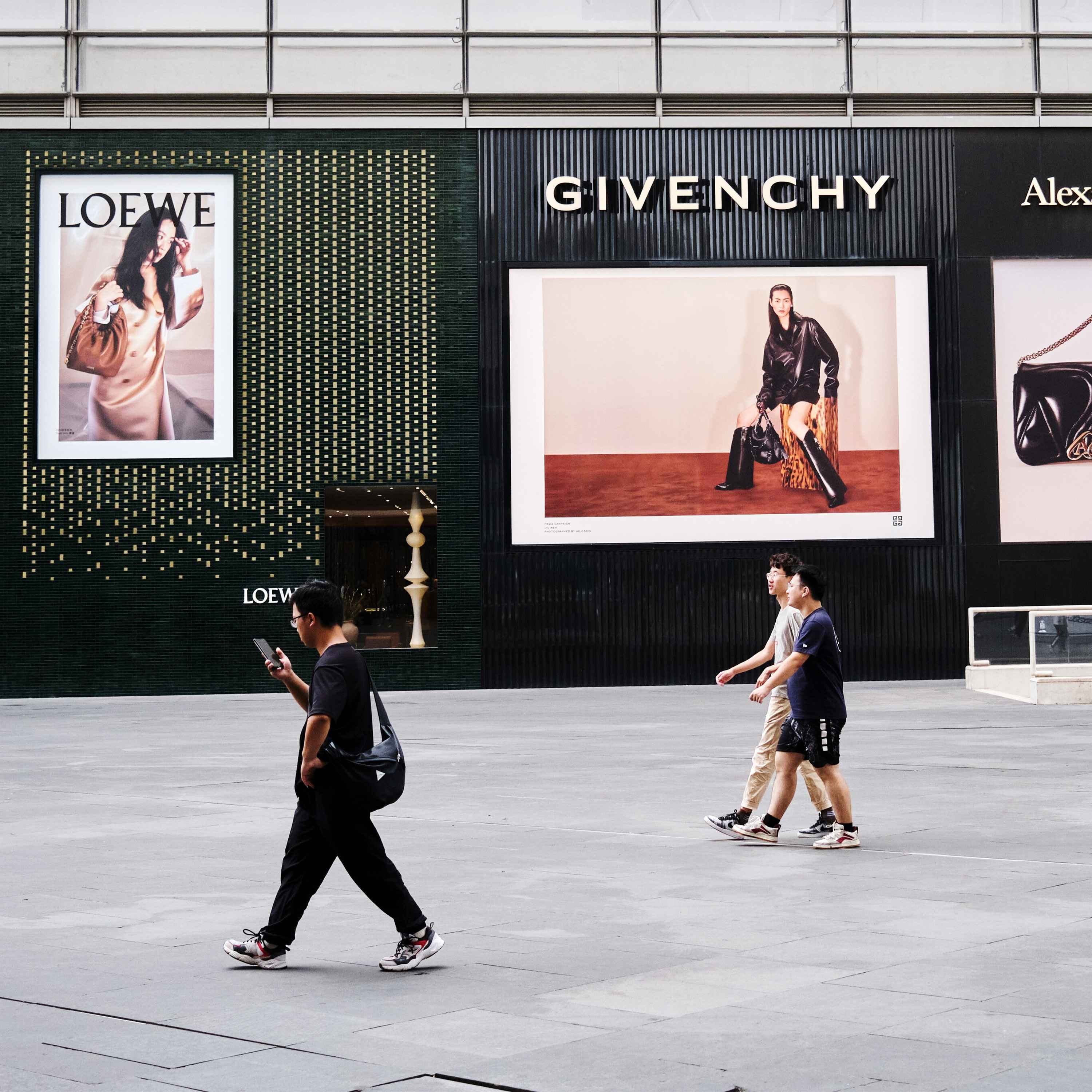
Luxury's post-pandemic boom is over. Growth has slowed, shoppers are pushing back on years of price increases and many brands are struggling to convince customers they're still worth the premium. Drawing on BoF's 2026 State of Luxury report — which includes a survey of more than 2,000 affluent consumers in the US and China, alongside interviews with industry leaders — BoF editors Mimosa Spencer and Robert Williams explore what's driving luxury's reset and what it means for brands.They unpack why heritage, craftsmanship and logo power are no longer enough to justify premium prices on their own, and why emotional connection, creativity and exceptional retail experiences have become increasingly important to today's luxury shopper. They also discuss what brands need to do to rebuild excitement, restore value and win customers back.Key Insights:Emotional Matters More Than Heritage: Craftsmanship, heritage, and logo power are still important, but they are increasingly seen as table stakes rather than the ultimate selling point. After years of price increases, luxury shoppers are looking for brands that spark excitement, feel culturally relevant, or offer a more meaningful emotional connection. As Spencer explains, this shift is deeply tied to a broader consumer weariness: "Luxury fatigue has been a real problem. Shoppers are tired of price hikes. They're tired of things costing more when... the product hasn't actually changed." Luxury Shouldn’t Feel Like a Chore: Luxury brands once built exclusivity through long queues, appointment-only access, and other barriers to entry. Today, shoppers expect premium service to feel effortless, requiring brands to balance accessibility for aspirational consumers with absolute privacy for Very Important Clients (VICs). The traditional mechanics of high-end retail are fast becoming liabilities; as Spencer observes, "Once you've peaked somebody's interest, you've gotten your audience, you want to be able to serve them right away. Don't make them go through hoops. Don't let them wait in line. None of that is appealing anymore."Different Meanings in Different Markets: While emotional connection remains key across both major economic engines, how that plays out is heavily influenced by geography. In China, luxury consumption is closely tied to external self-expression and social recognition—even through understated "quiet luxury". In the US, shoppers are more likely to prioritise personal taste, self-reward, and alignment with a brand's values. Explaining this cultural divergence, Williams notes that "historically there is a stereotype that conspicuous consumption and very obvious signifiers of luxury are what are gonna perform much better in a country like China, [but] you have a really strong success for certain brands there that have a much more discreet or understated approach."Navigating the Spectator Divide: Luxury brands are increasingly catering to two distinct groups: transactional store clients who buy products, and digital audiences who engage with brands strictly through fashion content. The challenge is turning online attention into meaningful retail engagement without losing either audience. This structural shift requires brands to balance commercial conversions against the growing weight of pure spectatorship. As Williams notes, "There is a real issue in fashion right now with spectatorship and the idea that lots of people are just as happy to consume images of fashion than to actually go buy it. We're compulsive consumers of imagery in our culture today."Additional Resources:The State of Fashion: Face-to-Face with Luxury Clients | BoFChanel’s Bruno Pavlovsky on Reengineering an Iconic Brand | BoFHaute Couture and High Jewellery Take the Paris Stage | BoF Hosted on Acast. See acast.com/privacy for more information.
What this episode covers
Luxury's post-pandemic boom is over. Growth has slowed, shoppers are pushing back on years of price increases and many brands are struggling to convince customers they're still worth the premium. Drawing on BoF's 2026 State of Luxury report — which includes a survey of more than 2,000 affluent consumers in the US and China, alongside interviews with industry leaders — BoF editors Mimosa Spencer and Robert Williams explore what's driving luxury's reset and what it means for brands.They unpack why heritage, craftsmanship and logo power are no longer enough to justify premium prices on their own, and why emotional connection, creativity and exceptional retail experiences have become increasingly important to today's luxury shopper. They also discuss what brands need to do to rebuild excitement, restore value and win customers back.Key Insights:Emotional Matters More Than Heritage: Craftsmanship, heritage, and logo power are still important, but they are increasingly seen as table stakes rather than the ultimate selling point. After years of price increases, luxury shoppers are looking for brands that spark excitement, feel culturally relevant, or offer a more meaningful emotional connection. As Spencer explains, this shift is deeply tied to a broader consumer weariness: "Luxury fatigue has been a real problem. Shoppers are tired of price hikes. They're tired of things costing more when... the product hasn't actually changed." Luxury Shouldn’t Feel Like a Chore: Luxury brands once built exclusivity through long queues, appointment-only access, and other barriers to entry. Today, shoppers expect premium service to feel effortless, requiring brands to balance accessibility for aspirational consumers with absolute privacy for Very Important Clients (VICs). The traditional mechanics of high-end retail are fast becoming liabilities; as Spencer observes, "Once you've peaked somebody's interest, you've gotten your audience, you want to be able to serve them right away. Don't make them go through hoops. Don't let them wait in line. None of that is appealing anymore."Different Meanings in Different Markets: While emotional connection remains key across both major economic engines, how that plays out is heavily influenced by geography. In China, luxury consumption is closely tied to external self-expression and social recognition—even through understated "quiet luxury". In the US, shoppers are more likely to prioritise personal taste, self-reward, and alignment with a brand's values. Explaining this cultural divergence, Williams notes that "historically there is a stereotype that conspicuous consumption and very obvious signifiers of luxury are what are gonna perform much better in a country like China, [but] you have a really strong success for certain brands there that have a much more discreet or understated approach."Navigating the Spectator Divide: Luxury brands are increasingly catering to two distinct groups: transactional store clients who buy products, and digital audiences who engage with brands strictly through fashion content. The challenge is turning online attention into meaningful retail engagement without losing either audience. This structural shift requires brands to balance commercial conversions against the growing weight of pure spectatorship. As Williams notes, "There is a real issue in fashion right now with spectatorship and the idea that lots of people are just as happy to consume images of fashion than to actually go buy it. We're compulsive consumers of imagery in our culture today."Additional Resources:The State of Fashion: Face-to-Face with Luxury Clients | BoFChanel’s Bruno Pavlovsky on Reengineering an Iconic Brand | BoFHaute Couture and High Jewellery Take the Paris Stage | BoF Hosted on Acast. See acast.com/privacy for more information.
NOW PLAYING
Luxury’s New Reality
No transcript for this episode yet
Similar Episodes
Mar 26, 2026 ·1m
Mar 19, 2026 ·34m
Feb 18, 2026 ·11m
Feb 11, 2026 ·45m