
EPISODE · Apr 12, 2025 · 7 MIN
Master AI Prompting: 5 Expert Tips to Elevate Your Digital Assistant Game
from I am GPTed - what you need to know about Chat GPT, Bard, Llama, and Artificial Intelligence · host Inception Point AI
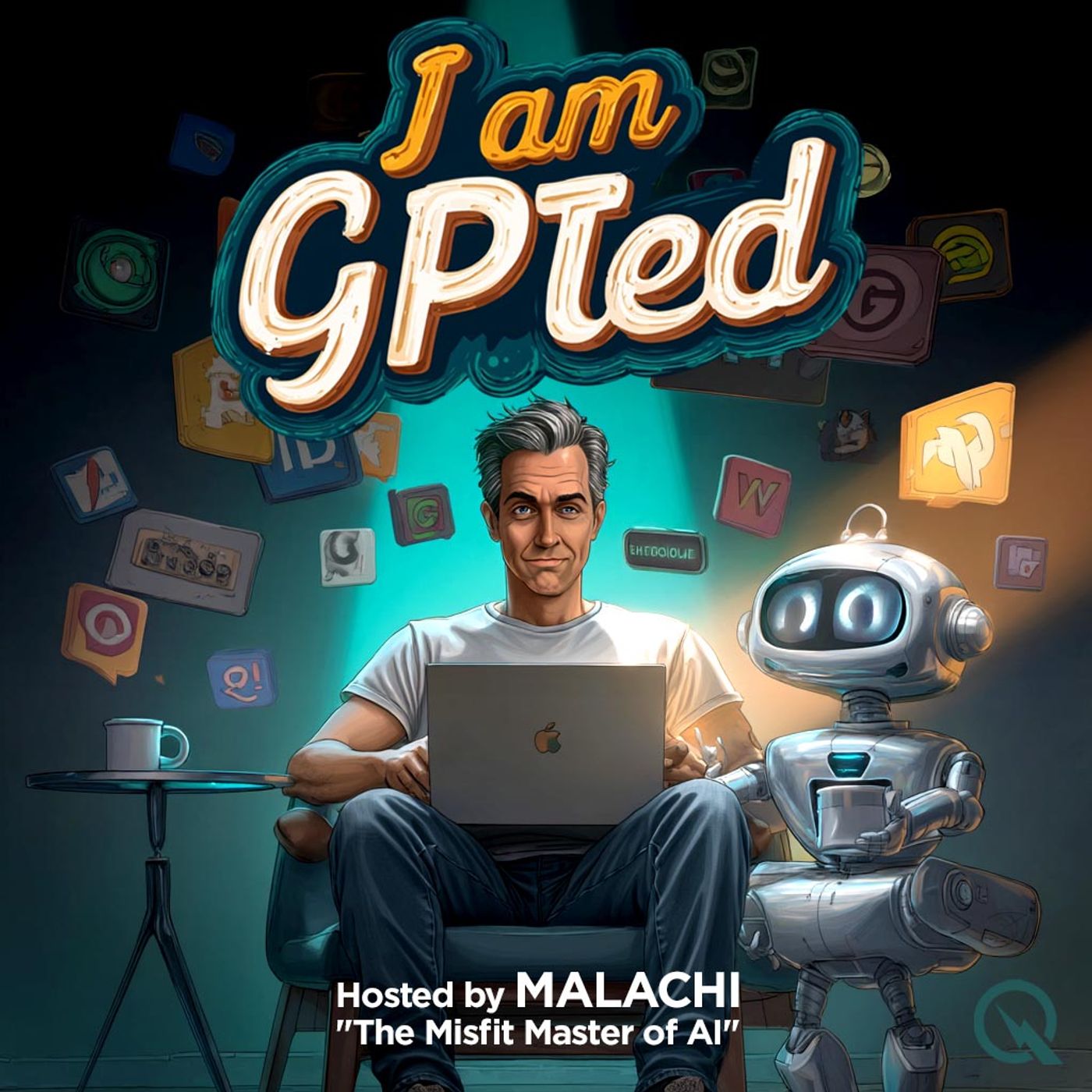
Hey there, Malachi here, your Misfit Master of AI, and welcome to another episode of "I am GPTed." Today, we're diving into some practical tips and techniques to help you get the most out of your AI interactions. But first, let's address the elephant in the room: yes, I used to be a tech skeptic. I mean, who wasn't? But then I accidentally stumbled into this AI world and, well, here we are. Let's kick things off with a prompting technique that can dramatically improve your AI responses. It's all about being specific and clear with your instructions. Let's be real and get analog here... think of it like ordering at a restaurant. If you just say, "I want food," you might end up with a plate of mystery meat. But if you say, "I'd like the Caesar salad with grilled chicken, light on the dressing," you're more likely to get exactly what you want. The same goes for AI prompts. For example, instead of asking, "Write a story," try something like, "Write a 500-word short story about a time-traveling cat named Whiskers who accidentally changes the course of history." Trust me, the difference in output is night and day. I learned this the hard way when I kept getting vague and irrelevant responses. But once I started being more specific, it was like the AI suddenly understood me. Now, let's talk about a practical use case that you might not have considered: using AI to help with meal planning and grocery lists. I know, it sounds a bit mundane, but hear me out. By inputting your dietary preferences, allergies, and the ingredients you already have, an AI can generate personalized meal plans and shopping lists. It's like having a virtual chef and nutritionist rolled into one. Plus, it can help reduce food waste and save you time and money. But I digress... let's move on to a common mistake beginners make: not proofreading and editing the AI-generated content. Just because an AI wrote it doesn't mean it's perfect. It's crucial to review the output for accuracy, consistency, and relevance to your prompt. I once made the mistake of using an AI-generated article without checking it, and let's just say it wasn't my proudest moment. So, always remember to put on your editor's hat and give the content a once-over. Now, here's a simple exercise to help you build your AI interaction skills: practice writing prompts for everyday tasks. Start with something easy, like asking an AI to write a funny tweet about your favorite TV show. Then, gradually increase the complexity by asking for a short story or an article on a specific topic. The more you practice, the better you'll get at crafting effective prompts. Finally, let's talk about evaluating and improving AI-generated content. One tip is to use the "sandwich method" of feedback. Start with something positive, then provide constructive criticism, and end with another positive comment. For example, "I liked how the article flowed, but some of the facts seemed outdated. Overall, it was a good starting point." This he This content was created in partnership and with the help of Artificial Intelligence AI.
What this episode covers
Hey there, Malachi here, your Misfit Master of AI, and welcome to another episode of "I am GPTed." Today, we're diving into some practical tips and techniques to help you get the most out of your AI interactions. But first, let's address the elephant in the room: yes, I used to be a tech skeptic. I mean, who wasn't? But then I accidentally stumbled into this AI world and, well, here we are. Let's kick things off with a prompting technique that can dramatically improve your AI responses. It's all about being specific and clear with your instructions. Let's be real and get analog here... think of it like ordering at a restaurant. If you just say, "I want food," you might end up with a plate of mystery meat. But if you say, "I'd like the Caesar salad with grilled chicken, light on the dressing," you're more likely to get exactly what you want. The same goes for AI prompts. For example, instead of asking, "Write a story," try something like, "Write a 500-word short story about a time-traveling cat named Whiskers who accidentally changes the course of history." Trust me, the difference in output is night and day. I learned this the hard way when I kept getting vague and irrelevant responses. But once I started being more specific, it was like the AI suddenly understood me. Now, let's talk about a practical use case that you might not have considered: using AI to help with meal planning and grocery lists. I know, it sounds a bit mundane, but hear me out. By inputting your dietary preferences, allergies, and the ingredients you already have, an AI can generate personalized meal plans and shopping lists. It's like having a virtual chef and nutritionist rolled into one. Plus, it can help reduce food waste and save you time and money. But I digress... let's move on to a common mistake beginners make: not proofreading and editing the AI-generated content. Just because an AI wrote it doesn't mean it's perfect. It's crucial to review the output for accuracy, consistency, and relevance to your prompt. I once made the mistake of using an AI-generated article without checking it, and let's just say it wasn't my proudest moment. So, always remember to put on your editor's hat and give the content a once-over. Now, here's a simple exercise to help you build your AI interaction skills: practice writing prompts for everyday tasks. Start with something easy, like asking an AI to write a funny tweet about your favorite TV show. Then, gradually increase the complexity by asking for a short story or an article on a specific topic. The more you practice, the better you'll get at crafting effective prompts. Finally, let's talk about evaluating and improving AI-generated content. One tip is to use the "sandwich method" of feedback. Start with something positive, then provide constructive criticism, and end with another positive comment. For example, "I liked how the article flowed, but some of the facts seemed outdated. Overall, it was a good starting point." This he This content was created in partnership and with the help of Artificial Intelligence AI.
NOW PLAYING
Master AI Prompting: 5 Expert Tips to Elevate Your Digital Assistant Game
No transcript for this episode yet
Similar Episodes
Mar 26, 2026 ·1m
Mar 19, 2026 ·34m
Feb 18, 2026 ·11m
Feb 11, 2026 ·45m