PodParley PodParley

Meet the author - Katherine Biber

Katherine Biber was in conversation with Kate Ful…

An episode of the Experience ANU podcast, hosted by Experience ANU, titled "Meet the author - Katherine Biber" was published on July 30, 2025 and runs 53 minutes.

July 30, 2025 ·53m · Experience ANU

0:00 / 0:00

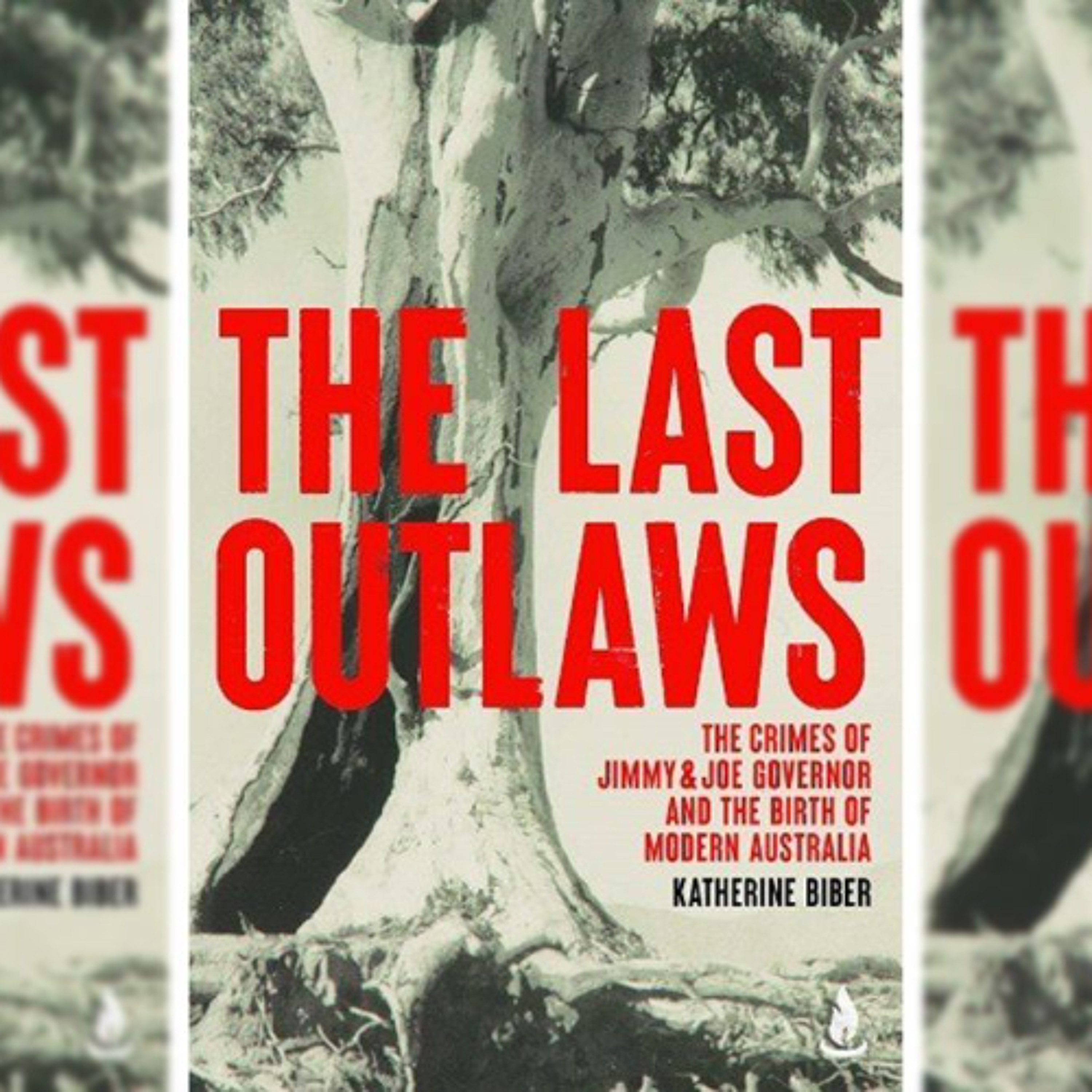
Katherine Biber was in conversation with Kate Fullagar on her new book, The Last Outlaws, a gripping work of historical true crime and a richly revealing examination of our nation at its birth. Brilliantly reconstructed from contemporary narratives, it's The Chant of Jimmie Blacksmith meets Killing for Country. In the winter of 1900, Wiradjuri man Jimmy Governor and his brother Joe murdered nine people across New South Wales, in a rampage that caused panic in the colony on the cusp of nationhood. Triggered, it seems, by a racist incident, they killed men, women and children, evading a vast manhunt until they were eventually captured. Joe was shot in the open; Jimmy survived to be put on trial. Thus the last man to be outlawed in the colony was hanged in the new nation, meeting his end in Darlinghurst Gaol as the Federation decorations were taken down. The brothers’ names still resonate, partly due to Thomas Keneally’s novel The Chant of Jimmie Blacksmith and Fred Schepisi’s subsequent film, but their story has remained distorted and obscure. Undertaken with the co-operation of the Governors’ descendants, Katherine Biber’s compelling reconstruction of events – from the murders themselves to Jimmy’s eventual execution – brings this extraordinary story back to life. In doing so it sheds fresh, vivid light on the country that inspired and reacted to the murders. Not only did many of the lawyers and politicians involved also play key roles in Federation, but the case revealed in microcosm the psychology of the nascent nation: its attitudes to land and race; its anxiety about a wider First Nations insurrection; its obsession with paperwork and the emerging ‘sciences’ of neuroanatomy and criminology; its nepotism, religiosity, sweeping police powers and sensationalist media. More powerfully than the story of Ned Kelly or the Anzacs, the fate of Jimmy Governor illuminates the origin story of the Australian nation. Populated by a cast of extraordinary characters and compelling detail, The Last Outlaws brings the energy of true crime into the telling of history, offering an electric new understanding of both our past and our present Katherine Biber, Distinguished Professor of Law at UTS, is a legal scholar, criminologist and historian. Her podcast The Last Outlaws won the NSW Premier’s History Award (2022, Digital History); Australian Podcast Awards (2022, Podcast of the Year, overall winner; 2022 History Podcast of the Year); Australian Legal Research Award (2022, non-traditional research award); and was a finalist in the Webby Awards (2023, Best Limited Series). Katherine is co-Editor in Chief of the international journal Crime, Media, Culture and serves on the Australian Research Council College of Experts. Professor Kate Fullagar is an historian and award-winning author at the Institute for Humanities and Social Sciences, Australian Catholic University. She is a Fellow of the Australian Academy of the Humanities and Vice President of the Australian Historical Association. She is the author of Phillip and Bennelong: A History Unravelled  ; The Warrior, the Voyager, and the Artist: Three Lives in an Age of Empire and The Savage Visit. New World People and Imperial Popular Culture. The vote of thanks was given by Dr Ben Silverstein, Lecturer in Indigenous Studies. ANU

Katherine Biber was in conversation with Kate Fullagar on her new book, The Last Outlaws, a gripping work of historical true crime and a richly revealing examination of our nation at its birth. Brilliantly reconstructed from contemporary narratives, it's The Chant of Jimmie Blacksmith meets Killing for Country. In the winter of 1900, Wiradjuri man Jimmy Governor and his brother Joe murdered nine people across New South Wales, in a rampage that caused panic in the colony on the cusp of nationhood. Triggered, it seems, by a racist incident, they killed men, women and children, evading a vast manhunt until they were eventually captured. Joe was shot in the open; Jimmy survived to be put on trial. Thus the last man to be outlawed in the colony was hanged in the new nation, meeting his end in Darlinghurst Gaol as the Federation decorations were taken down. The brothers’ names still resonate, partly due to Thomas Keneally’s novel The Chant of Jimmie Blacksmith and Fred Schepisi’s subsequent film, but their story has remained distorted and obscure. Undertaken with the co-operation of the Governors’ descendants, Katherine Biber’s compelling reconstruction of events – from the murders themselves to Jimmy’s eventual execution – brings this extraordinary story back to life. In doing so it sheds fresh, vivid light on the country that inspired and reacted to the murders. Not only did many of the lawyers and politicians involved also play key roles in Federation, but the case revealed in microcosm the psychology of the nascent nation: its attitudes to land and race; its anxiety about a wider First Nations insurrection; its obsession with paperwork and the emerging ‘sciences’ of neuroanatomy and criminology; its nepotism, religiosity, sweeping police powers and sensationalist media. More powerfully than the story of Ned Kelly or the Anzacs, the fate of Jimmy Governor illuminates the origin story of the Australian nation. Populated by a cast of extraordinary characters and compelling detail, The Last Outlaws brings the energy of true crime into the telling of history, offering an electric new understanding of both our past and our present Katherine Biber, Distinguished Professor of Law at UTS, is a legal scholar, criminologist and historian. Her podcast The Last Outlaws won the NSW Premier’s History Award (2022, Digital History); Australian Podcast Awards (2022, Podcast of the Year, overall winner; 2022 History Podcast of the Year); Australian Legal Research Award (2022, non-traditional research award); and was a finalist in the Webby Awards (2023, Best Limited Series). Katherine is co-Editor in Chief of the international journal Crime, Media, Culture and serves on the Australian Research Council College of Experts. Professor Kate Fullagar is an historian and award-winning author at the Institute for Humanities and Social Sciences, Australian Catholic University. She is a Fellow of the Australian Academy of the Humanities and Vice President of the Australian Historical Association. She is the author of Phillip and Bennelong: A History Unravelled  ; The Warrior, the Voyager, and the Artist: Three Lives in an Age of Empire and The Savage Visit. New World People and Imperial Popular Culture. The vote of thanks was given by Dr Ben Silverstein, Lecturer in Indigenous Studies. ANU
Interviews with Anupama Chopra Film Companion Anupama Chopra is a film critic, television anchor and book author. She has been writing about Bollywood since 1993. Her work has appeared in publications such as The New York Times, Hindustan Times, The Los Angeles Times and Vogue (India). Here you can find all of her interviews and conversations with Bollywood and Hollywood's leading actors and filmmakers. In short, everything you need to enhance your cinematic experience.Millions of listeners seek out Bingepods (Ideabrew Studios Network content) every day. Get in touch with us to advertise, join the network or click listen to  enjoy content by some of India's top audio [email protected] | Apple Taittriyaka Upanishad by Unknown Loyal Books The word Upanishad (upa-ni-shad) consists of, "Upa" means "near;" "ni" means "down;" "shad" means "to sit." Thus, Upanishad is to sit down near the teacher to discuss, learn, practice, and experience. There are some 200 or more Upanishads. Some are lost and are only known about because of being referenced in other Upanishads. Most of the Upanishads were kept secret for centuries, only passed on to others orally in the form of Shloka (a category of verse line developed from the Vedic Anustubh meter).Taittiriya is a Sanskrit word that means "from Tittiri". The root of this name has been interpreted in two ways: "from Vedic sage Tittiri" or a collection of verses from mythical students who became Tittiris (birds, partridges) in order to gain knowledge.This Upanishad is divided into three sections called Vallis: Siksha (Pronunciation /Instruction) Valli , Ananda (bliss of Brahman) Valli , and Bhrigu (son of Varuna, the god of all water elements) Valli.The chronology of Taittriyaka Upanish Katha Upanishad by Unknown Loyal Books The word Upanishad (upa-ni-shad) consists of, "Upa" means "near;" "ni" means "down;" "shad" means "to sit." Thus, Upanishad is to sit down near the teacher to discuss, learn, practice, and experience. There are some 200 or more Upanishads. Some are lost and are only known about because of being referenced in other Upanishads.Most of the Upanishads were kept secret for centuries, only passed on to others orally in the form of Shloka (a category of verse line developed from the Vedic Anustubh meter).Katha-Upanishad is one the 11 principal Upanishads. Its chronology is contested as being between fifth century BCE and 1st millennium BCE.Katha (Sanskrit: कठ) literally means "distress". Katha Upanishad uses words that symbolically embed and creatively have multiple meanings. For example, a closely pronounced word Katha (Sanskrit: कथा) literally means "story, legend, conversation, speech, tale". All of these related meanings are relevant to the Katha Upanishad.The text presents Death as the T Brihadaranyaka Upanishad Unknown The word Upanishad (upa-ni-shad) consists of, "Upa" means "near;" "ni" means "down;" "shad" means "to sit." Thus, Upanishad is to sit down near the teacher to discuss, learn, practice, and experience. There are some 200 or more Upanishads. Some are lost and are only known about because of being referenced in other Upanishads. Most of the Upanishads were kept secret for centuries, only passed on to others orally in the form of Shlokas (a category of verse line developed from the Vedic Anustubh meter).The Bṛhadāraṇyaka Upanishad (Sanskrit: बृहदारण्यक उपनिषद्) is one of the oldest, mukhya (primary) Upanishads. It is contained within the Shatapatha Brahmana (Brahmana is a collection of ancient Indian texts with commentaries on the Vedas.), which is itself a part of Shukla Yajur Veda. Brihad means great. Aryanka (Snskrit) आरण्यक means means pertaining to the forest. Aranyaka in the Upanishadic context refers to a treatise to be read or expounded by anchorites in the quiet of the fo
URL copied to clipboard!