
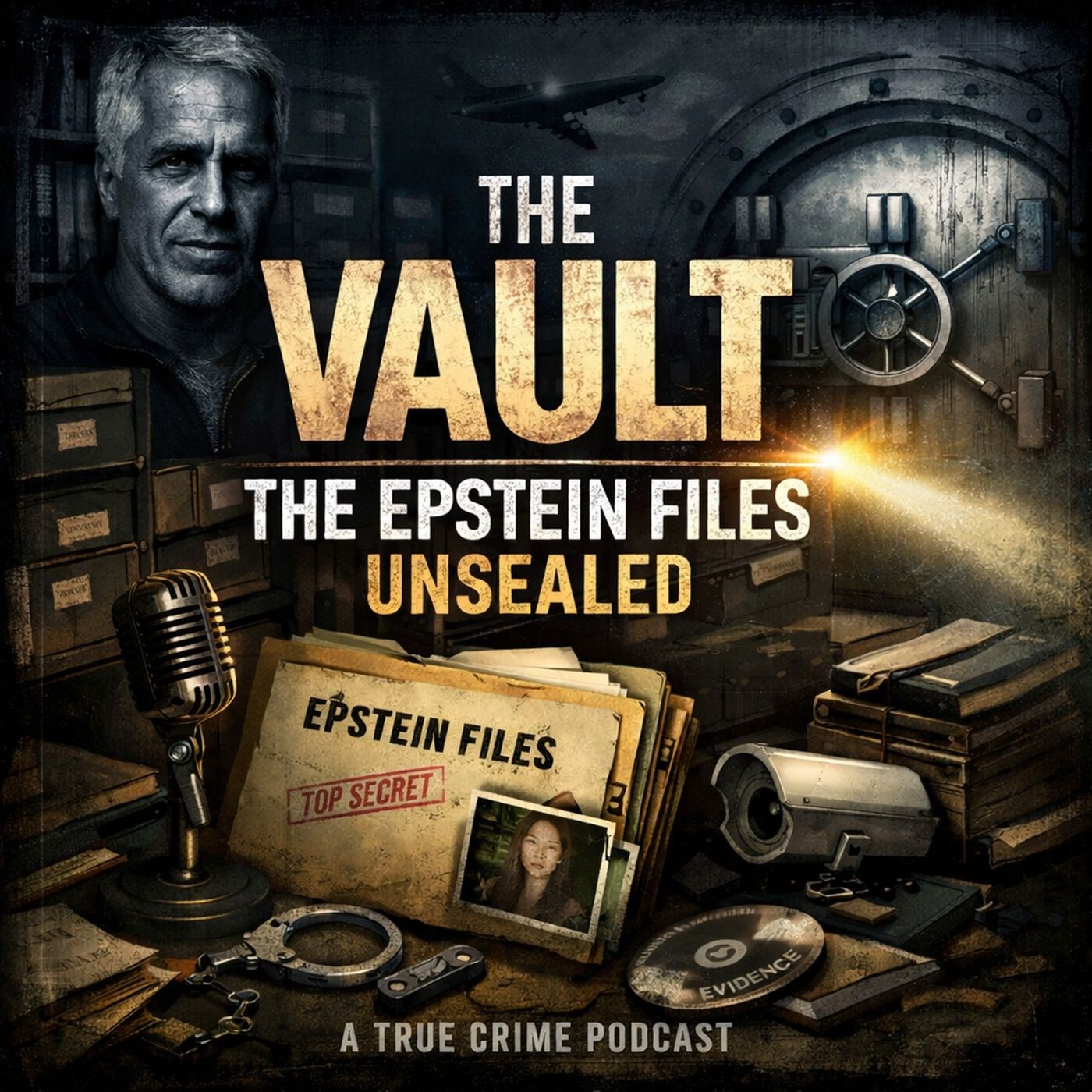
EPISODE · Apr 16, 2026 · 44 MIN
Mega Edition: Jeffrey Epstein And The Donations That Corrode Reputations From The Grave (4/15/26)
from The Vault: The Epstein Files · host Bobby Capucci
Donations from Jeffrey Epstein were corrosive because they did more than fund institutions—they created a web of influence, access, and reputational shielding that blurred ethical boundaries long before his crimes were fully exposed. Universities, research centers, nonprofits, and prominent individuals accepted his money during a period when serious allegations were already public, and in doing so, some provided him with legitimacy and proximity to power. Survivors and critics have argued that these contributions helped normalize his presence in elite circles, allowing him to move freely, cultivate relationships, and continue operating with a degree of social protection. The money itself became a quiet enabler, embedding his name into buildings, programs, and endowments while obscuring the human cost behind the funding.Even after his death, those donations continue to haunt recipients because they represent more than a financial transaction—they are a lasting association with a figure whose crimes reshaped public trust. Institutions that once welcomed his philanthropy have faced ongoing scrutiny, forced to confront why warning signs were ignored and whether reputational gain outweighed moral responsibility. Efforts to return funds, rename buildings, or distance themselves have not fully erased the stain, as survivors and the public continue to question accountability. The legacy of those donations lingers in damaged credibility, internal reckonings, and the uncomfortable reality that Epstein’s influence did not end with his death—it remains embedded in the very institutions that once benefited from his money.to contact me:[email protected]
What this episode covers
Donations from Jeffrey Epstein were corrosive because they did more than fund institutions—they created a web of influence, access, and reputational shielding that blurred ethical boundaries long before his crimes were fully exposed. Universities, research centers, nonprofits, and prominent individuals accepted his money during a period when serious allegations were already public, and in doing so, some provided him with legitimacy and proximity to power. Survivors and critics have argued that these contributions helped normalize his presence in elite circles, allowing him to move freely, cultivate relationships, and continue operating with a degree of social protection. The money itself became a quiet enabler, embedding his name into buildings, programs, and endowments while obscuring the human cost behind the funding.Even after his death, those donations continue to haunt recipients because they represent more than a financial transaction—they are a lasting association with a figure whose crimes reshaped public trust. Institutions that once welcomed his philanthropy have faced ongoing scrutiny, forced to confront why warning signs were ignored and whether reputational gain outweighed moral responsibility. Efforts to return funds, rename buildings, or distance themselves have not fully erased the stain, as survivors and the public continue to question accountability. The legacy of those donations lingers in damaged credibility, internal reckonings, and the uncomfortable reality that Epstein’s influence did not end with his death—it remains embedded in the very institutions that once benefited from his money.to contact me:[email protected]
NOW PLAYING
Mega Edition: Jeffrey Epstein And The Donations That Corrode Reputations From The Grave (4/15/26)
No transcript for this episode yet
Similar Episodes
Dec 5, 2025 ·50m
Oct 9, 2025 ·33m
Oct 3, 2025 ·40m
Sep 11, 2025 ·31m
Aug 27, 2025 ·39m
Aug 18, 2025 ·54m