
EPISODE · Jan 21, 2026 · 2 MIN
Mexico Faces Complex Tariff Landscape in 2026 with New Import Taxes and Potential USMCA Trade Agreement Changes
from Mexico Tariff News and Tracker · host Inception Point AI
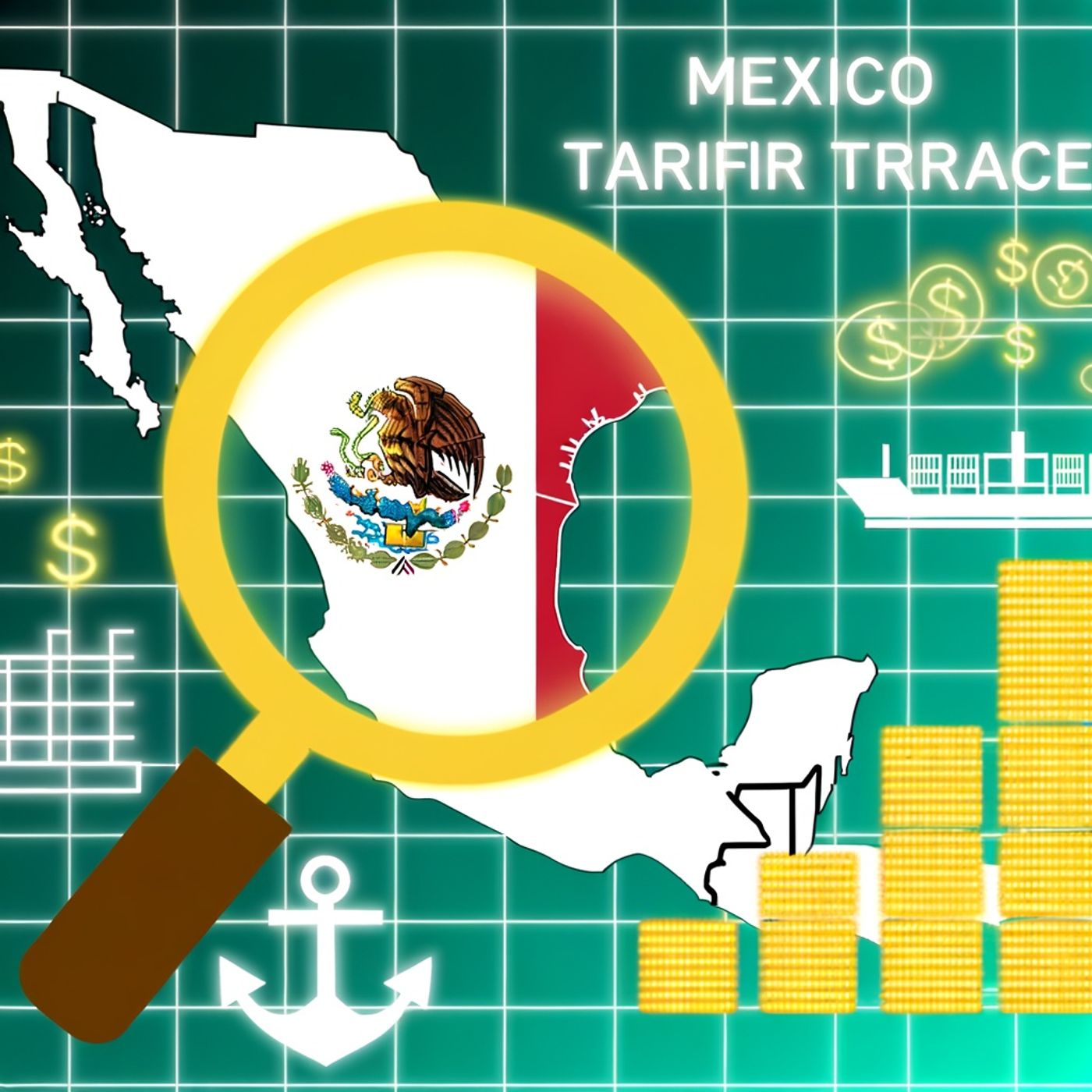
Welcome to Mexico Tariff News and Tracker. I'm bringing you the latest developments on tariffs affecting our southern neighbor as we head into a critical year for North American trade. Mexico is facing a complex tariff landscape on two fronts. First, Mexico's own Congress enacted new legislation effective January 1st, 2026, that increases import tariffs on goods from countries without free trade agreements, particularly targeting India, China, and Brazil. These Mexican tariffs range from 5 to 50 percent across 1,463 product lines including autos, textiles, plastics, electronics, and furniture. Mexico's move is designed to reduce dependence on Asian imports and is expected to generate approximately 3.8 billion dollars in annual revenue while aligning more closely with United States trade policy. On the U.S. side, Mexico currently holds an exemption from reciprocal tariffs that President Trump implemented last year. However, Mexico still faces sector-specific tariffs. According to trade compliance tracking, Mexico is subject to a fentanyl-related tariff structure where goods entering duty-free under USMCA face zero tariffs, but all other products face 25 percent tariffs. Additionally, there's a threatened 5 percent tariff on Mexican water imports that has not yet been formally implemented. The bigger picture involves USMCA itself. The three nations are required to conduct a joint review by July 2026 to determine whether to extend the agreement. According to legal analysis of Trump administration trade policy, discussions are already underway about potential modifications. The administration has floated significant changes, including potentially replacing the trilateral agreement with two separate bilateral deals, tightening rules of origin requirements, and coordinated steps to counter Chinese trade influence. For listeners tracking Mexico specifically, the key takeaway is that while Mexico currently benefits from exemptions on reciprocal tariffs thanks to ongoing negotiations and fentanyl-related agreements, the sector-specific tariffs remain active, and the July USMCA review represents a pivotal moment for Mexico's trade relationship with the United States. Mexico's own tariff increases on non-FTA countries reflect an effort to strengthen its negotiating position and protect domestic industries as these trade discussions intensify. Stay tuned to Mexico Tariff News and Tracker for updates as these developments unfold. Thank you for tuning in and please subscribe for the latest tariff updates affecting Mexico and North American trade. This has been a Quiet Please production. For more, check out quietplease.ai. For more check out https://www.quietperiodplease.com/ Avoid ths tariff fee's and check out these deals https://amzn.to/4iaM94Q This content was created in partnership and with the help of Artificial Intelligence AI.
Embed this episode
NOW PLAYING
Mexico Faces Complex Tariff Landscape in 2026 with New Import Taxes and Potential USMCA Trade Agreement Changes
No transcript for this episode yet
Similar Episodes
No similar episodes found.
Similar Podcasts
No similar podcasts found.