
EPISODE · Feb 22, 2026 · 48 MIN
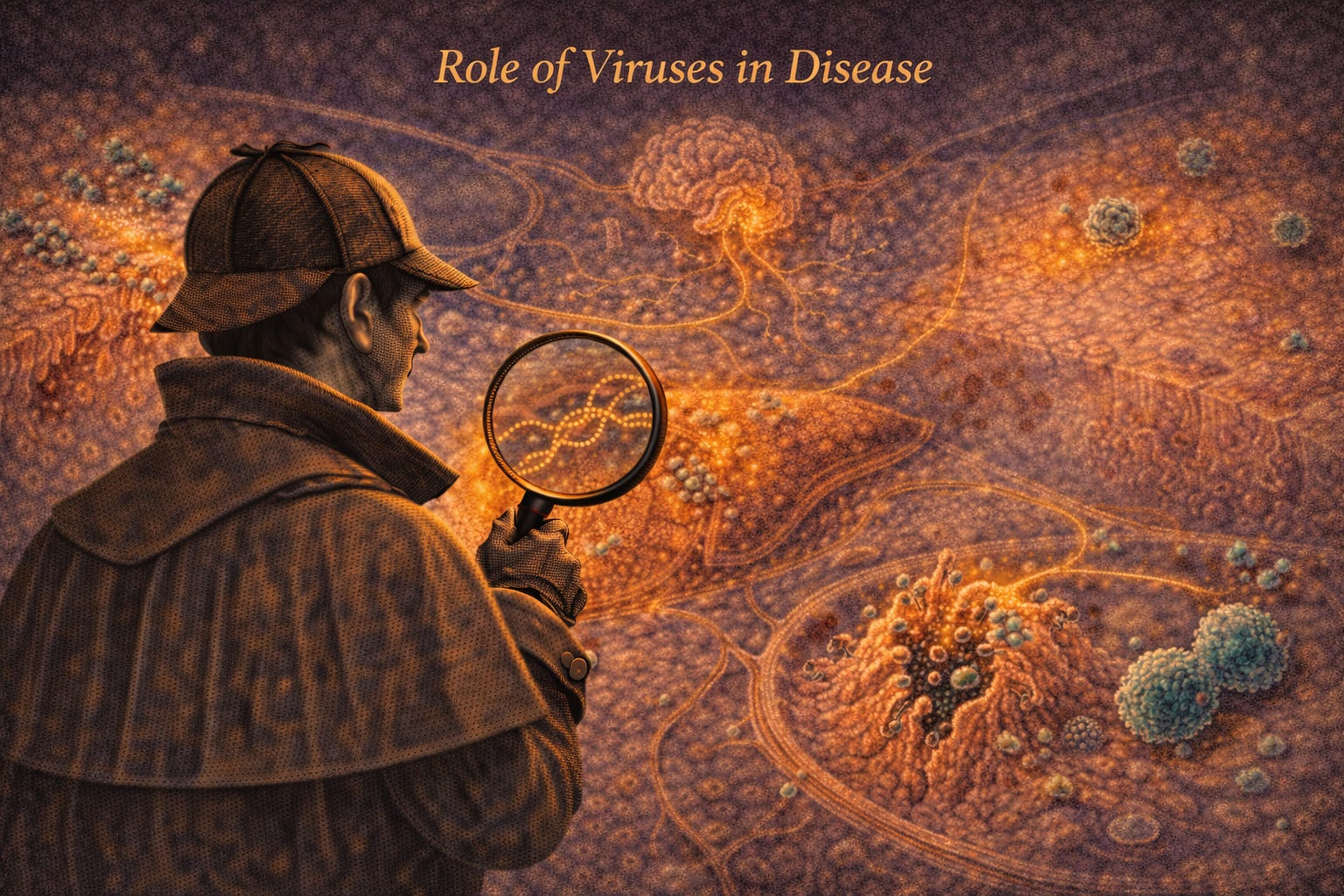
Micro 38 – Role of Viruses in Disease
from Clinical Deep Dives · host Dr Manaan Kar Ray
This episode translates viral mechanisms into recognisable clinical syndromes. Drawing from Murray’s Chapter 38, it explores how viruses produce disease patterns across organ systems - respiratory, gastrointestinal, neurologic, hepatic, cutaneous, and systemic.The narrative emphasises tropism: viruses infect specific tissues based on receptor availability and replication compatibility. Respiratory viruses target epithelial surfaces; neurotropic viruses invade peripheral nerves; hepatotropic viruses localise in the liver; lymphotropic viruses alter immune regulation.Disease severity depends on:* Viral replication rate* Host immune response* Age and immunocompetence* Presence of underlying conditionsThe episode also distinguishes acute self-limited infection from chronic persistent disease, and highlights congenital infection, teratogenicity, and oncogenesis.Conceptually, viral disease is not random - it reflects biological targeting. Clinically, pattern recognition remains central: rash with fever, jaundice with systemic symptoms, encephalitis following viral prodrome.Key Takeaways* Viral tropism determines organ-specific disease* Host immune response shapes clinical severity* Acute, chronic, and latent infections differ fundamentally* Some viruses cause congenital disease* Oncogenic viruses alter long-term cellular regulation This is a public episode. If you'd like to discuss this with other subscribers or get access to bonus episodes, visit drmanaankarray.substack.com/subscribe
Embed this episode
Ready to play
Micro 38 – Role of Viruses in Disease
No transcript for this episode yet
Similar Episodes
No similar episodes found.
Similar Podcasts
No similar podcasts found.