
EPISODE · Mar 13, 2026 · 1H 8M
Microsoft 365 Security: The Accountability Gap (Why Governance Fails Without Ownership)
from M365.FM - Modern work, security, and productivity with Microsoft 365 · host Mirko Peters - Founder of m365.fm, m365.show and m365con.net
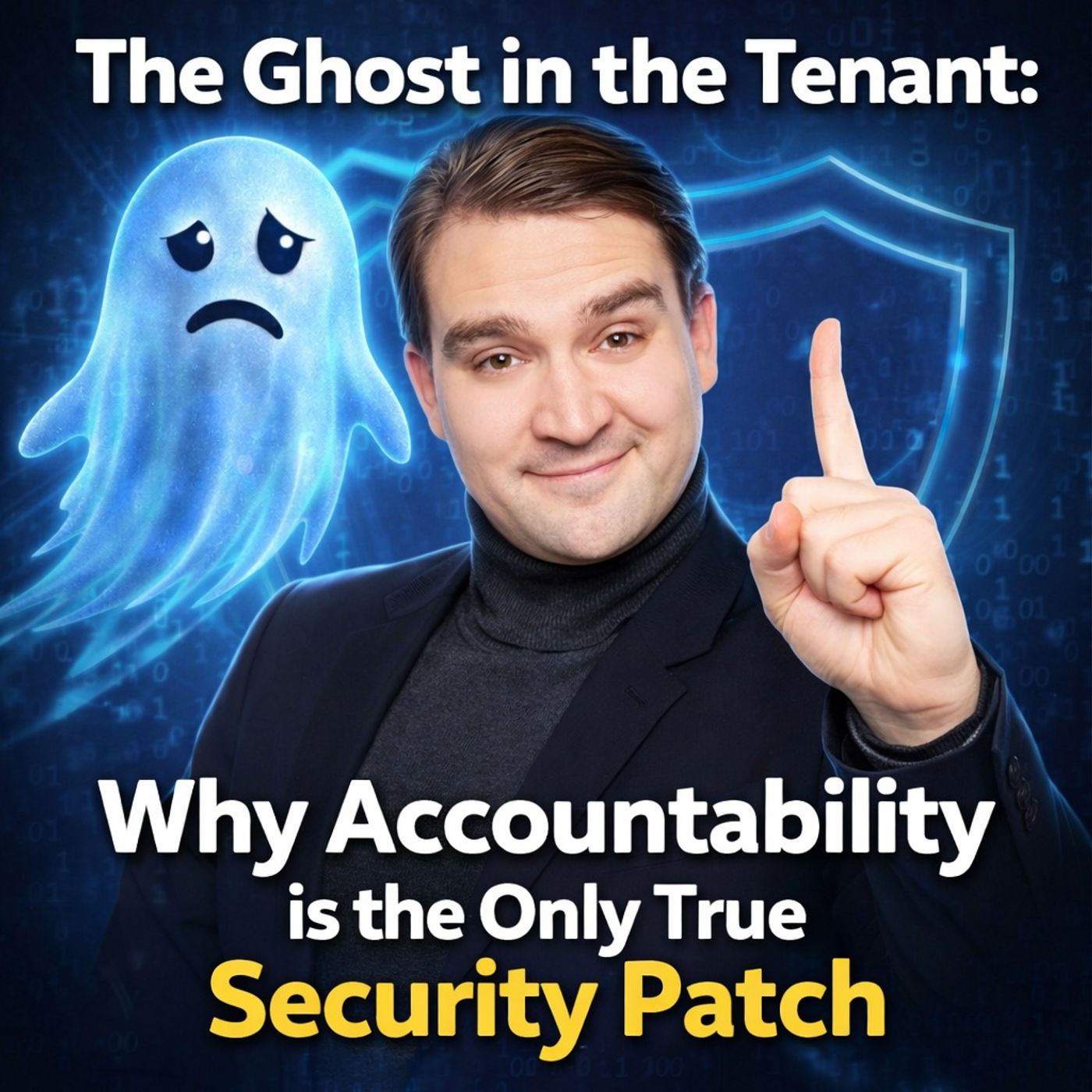
In this episode, you’ll learn why Microsoft 365 security does not fail because of missing tools but because of missing accountability. You’ll understand how governance, identity, and data access break down when no one owns the system.why lack of ownership creates hidden security riskshow Microsoft 365 governance fails without clear responsibilitywhy accountability is the real foundation of securityThis episode is ideal for architects, consultants, IT professionals, and anyone working with Microsoft 365, security, and governance.WHY MICROSOFT 365 SECURITY FAILSMost organizations treat Microsoft 365 as infrastructure that runs in the background. But this assumption is wrong. Microsoft 365 is a system that continuously makes decisions about identity, access, and data usage. If nobody owns these decisions, the system still runs — but without control. This creates invisible risk.THE ACCOUNTABILITY GAPThe core problem is not missing tools or features. It is the absence of ownership. When governance is shared across committees or loosely defined roles, responsibility becomes unclear. This creates what can be called an accountability gap, where decisions are made but no one is responsible for the outcome. Over time, this leads to drift between intended governance and actual system behavior.IDENTITY, DATA AND CONFIGURATION DRIFTMost Microsoft 365 environments show the same pattern. Identities accumulate without lifecycle management.Permissions grow without review.Configurations drift away from original policy intent. This drift is where risk lives. The system continues to operate, but it no longer reflects the design.WHY MICROSOFT SECURITY NEEDS OWNERSHIPMicrosoft security depends on clarity. Clear roles, defined responsibilities, and structured governance are required to maintain control. Without ownership, even well-designed security controls become ineffective. Security is not enforced by tools alone. It is enforced by responsibility.THE GHOST IN THE TENANTThis leads to what can be described as the “ghost in the tenant”. A system that is active, complex, and constantly making decisions — but without visible ownership. Automation continues.Access is granted.Data is shared. But no one can clearly answer who is responsible. This is where most security incidents originate.FROM GOVERNANCE TO ACCOUNTABILITYIf you are working with Microsoft 365, security, or governance, this episode helps you rethink your approach. Governance is not about policies or documentation. It is about defining who owns decisions across identity, data, and access. Without ownership, governance becomes theory.FROM CONTROL TO RESPONSIBILITY SYSTEMSModern Microsoft 365 environments require a shift. From control-based thinking to responsibility-based systems. This means assigning clear ownership for identities, data, and configurations. It also means building systems where accountability is embedded, not optional.KEY TAKEAWAYSMicrosoft 365 security fails بسبب lack of ownershipgovernance requires clear responsibility, not shared committeesidentity and permission drift create hidden riskaccountability is the foundation of securitysystems without ownership create invisible failureQUOTES FROM THIS EPISODE"Security is not a tool problem. It is an ownership problem.""If nobody owns it, nobody secures it.""Governance without ownership is illusion.""The system runs, even when no one is responsible.""Accountability is the only real security patch." TOOLS AND TOPICSAccountability Models - ownership of decisions and systemsIdentity Lifecycle - managing users and access over timeConfiguration Drift - gap between intent and realityGovernance Ownership - responsibility instead of committeesSecurity Visibility - understanding system behaviorResponsibility Systems - embedding accountability into architectureABOUT THE EXPERTMirko Peters is a Microsoft 365 expert, architect, and host of m365.fm. He works with organizations from small businesses to enterprise environments, focusing on Microsoft 365 security, governance, and architecture. His work focuses on turning complex systems into structured environments with clear ownership and control. He helps organizations move from unclear responsibility to accountable and secure systems.Become a supporter of this podcast: https://www.spreaker.com/podcast/m365-fm-modern-work-security-and-productivity-with-microsoft-365--6704921/support.
Embed this episode
NOW PLAYING
Microsoft 365 Security: The Accountability Gap (Why Governance Fails Without Ownership)
No transcript for this episode yet
Similar Episodes
No similar episodes found.
Similar Podcasts
No similar podcasts found.