
EPISODE · Feb 7, 2026 · 33 MIN
Moral Reasoning: The Psychology Behind Believable Characters
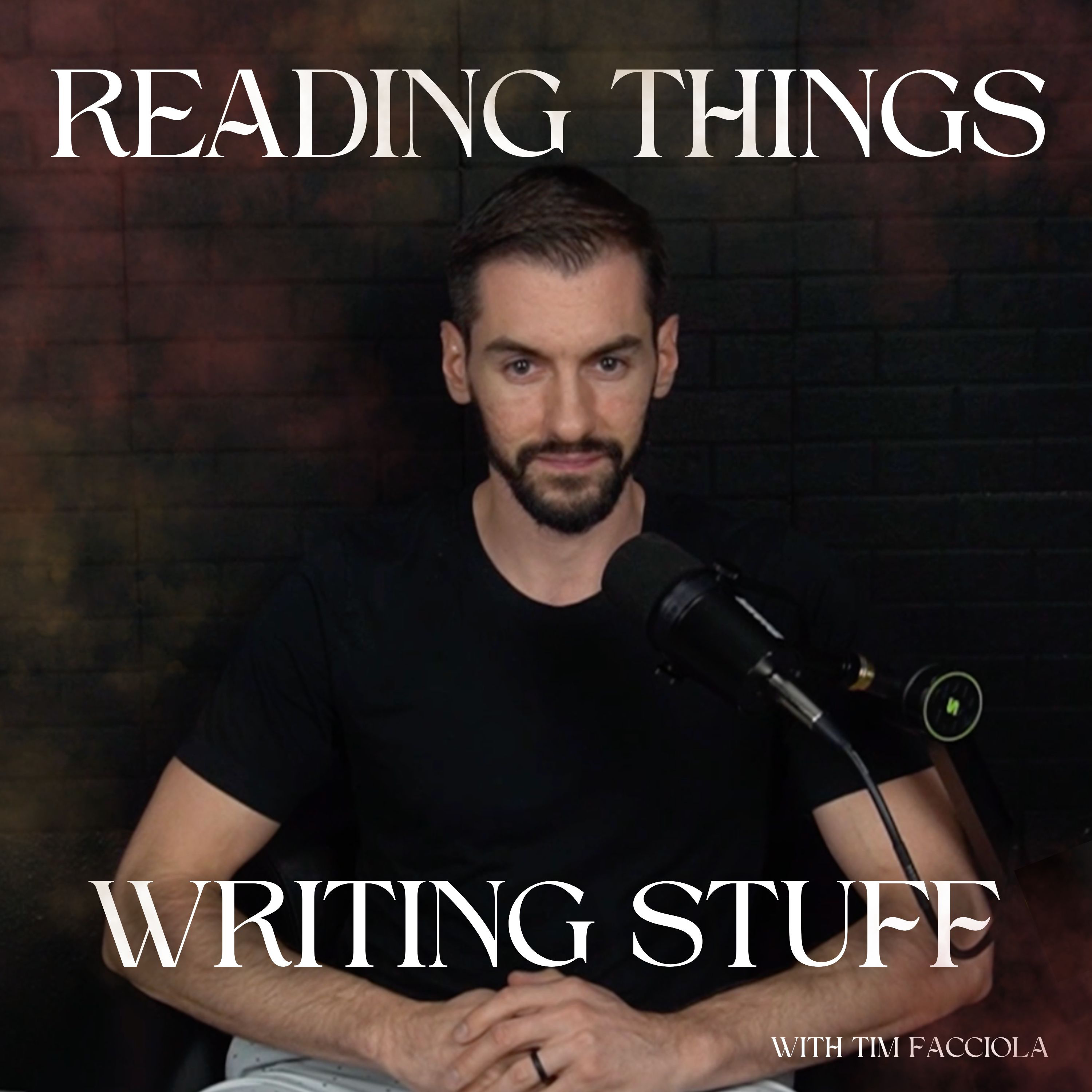
from Reading Things and Writing Stuff : Fantasy Writing, Worldbuilding & The Art of Storycraft · host Tim Facciola
In this episode…I dive into one of the most powerful—and most overlooked—tools in storytelling: moral reasoning. Specifically, how understanding why characters make decisions—not whether those decisions are “right” or “wrong”—can be the difference between a story that feels inevitable and one that feels contrived.I start with a frustration I know many readers share: when a character suddenly makes a decision that doesn’t align with how we understand them. The infamous 90-degree turn off a narrative cliff. To unpack why that happens—and how to prevent it—I explore Lawrence Kohlberg’s stages of moral development and how they apply directly to character psychology, internal arcs, theme, and reader trust.We break down the six levels of moral reasoning across the three stages—pre-conventional, conventional, and post-conventional—and clarify a crucial distinction: moral reasoning is not morality. This isn’t about what’s good or evil. It’s about what a character considers when making a choice.Using examples from Les Misérables, John Q, Game of Thrones, Avatar: The Last Airbender, The Greatcoats, noir crime dramas, and my own work in Eventual Realm, I show how different levels of moral reasoning create organic conflict, believable transformations, and meaningful thematic payoff. We explore why some characters are tragic, others cautionary, and why highly principled characters often clash violently with rigid systems.I also dig into the rules of moral development—why characters can only grow one step at a time, why sudden jumps feel false, how regression works (and when it doesn’t), and why readers often struggle to understand characters whose moral reasoning is more than two “rungs” away from their own.By the end, you’ll see how moral reasoning underpins character consistency, internal arc, thematic resonance, relationship dynamics, worldbuilding, and even marketing. When you understand how characters think, everything starts to make sense.If you’ve ever thought “I’m not buying this” while reading—or worried readers might think that about your own work—this episode is for you.Why character decisions break reader trustMoral reasoning vs. morality (and why conflating them kills stories)Kohlberg’s six levels of moral developmentPre-conventional, conventional, and post-conventional thinkingSelf-centered vs. socially driven vs. principle-driven charactersWhy most societies (and stories) rely on foursFives, sixes, martyrs, and system-challengersTragedy vs. cautionary talesHow moral reasoning drives internal arc and themeWhy growth must be gradual—and earnedRegression arcs and jaded heroesConflict between characters at different moral levelsReader empathy, representation, and imprintingThe “4.5” moral reasoner and sociopathic law-as-selfHow moral reasoning affects worldbuilding and marketingLes Misérables — Victor HugoJohn QGame of Thrones — George R.R. MartinThe Greatcoats — Sebastien de CastellAvatar: The Last AirbenderClassic noir detective fictionEventual Realm — Tim FasaInstagram: @timfacciola_theauthorApply to work with me:https://docs.google.com/forms/d/e/1FAIpQLSejci7iaHU3--TT8TOo82boYj7OsUIap3FscyQ4Qc2f8Z0EkQ/viewformRead A Vengeful Realm:https://www.amazon.com/dp/B0CK143ZK2Everything else:https://linktr.ee/timfacciolaWhat We Cover:Books, Films & Series Mentioned:Connect with Tim:
What this episode covers
In this episode…I dive into one of the most powerful—and most overlooked—tools in storytelling: moral reasoning. Specifically, how understanding why characters make decisions—not whether those decisions are “right” or “wrong”—can be the difference between a story that feels inevitable and one that feels contrived.I start with a frustration I know many readers share: when a character suddenly makes a decision that doesn’t align with how we understand them. The infamous 90-degree turn off a narrative cliff. To unpack why that happens—and how to prevent it—I explore Lawrence Kohlberg’s stages of moral development and how they apply directly to character psychology, internal arcs, theme, and reader trust.We break down the six levels of moral reasoning across the three stages—pre-conventional, conventional, and post-conventional—and clarify a crucial distinction: moral reasoning is not morality. This isn’t about what’s good or evil. It’s about what a character considers when making a choice.Using examples from Les Misérables, John Q, Game of Thrones, Avatar: The Last Airbender, The Greatcoats, noir crime dramas, and my own work in Eventual Realm, I show how different levels of moral reasoning create organic conflict, believable transformations, and meaningful thematic payoff. We explore why some characters are tragic, others cautionary, and why highly principled characters often clash violently with rigid systems.I also dig into the rules of moral development—why characters can only grow one step at a time, why sudden jumps feel false, how regression works (and when it doesn’t), and why readers often struggle to understand characters whose moral reasoning is more than two “rungs” away from their own.By the end, you’ll see how moral reasoning underpins character consistency, internal arc, thematic resonance, relationship dynamics, worldbuilding, and even marketing. When you understand how characters think, everything starts to make sense.If you’ve ever thought “I’m not buying this” while reading—or worried readers might think that about your own work—this episode is for you.Why character decisions break reader trustMoral reasoning vs. morality (and why conflating them kills stories)Kohlberg’s six levels of moral developmentPre-conventional, conventional, and post-conventional thinkingSelf-centered vs. socially driven vs. principle-driven charactersWhy most societies (and stories) rely on foursFives, sixes, martyrs, and system-challengersTragedy vs. cautionary talesHow moral reasoning drives internal arc and themeWhy growth must be gradual—and earnedRegression arcs and jaded heroesConflict between characters at different moral levelsReader empathy, representation, and imprintingThe “4.5” moral reasoner and sociopathic law-as-selfHow moral reasoning affects worldbuilding and marketingLes Misérables — Victor HugoJohn QGame of Thrones — George R.R. MartinThe Greatcoats — Sebastien de CastellAvatar: The Last AirbenderClassic noir detective fictionEventual Realm — Tim FasaInstagram: @timfacciola_theauthorApply to work with me:https://docs.google.com/forms/d/e/1FAIpQLSejci7iaHU3--TT8TOo82boYj7OsUIap3FscyQ4Qc2f8Z0EkQ/viewformRead A Vengeful Realm:https://www.amazon.com/dp/B0CK143ZK2Everything else:https://linktr.ee/timfacciolaWhat We Cover:Books, Films & Series Mentioned:Connect with Tim:
NOW PLAYING
Moral Reasoning: The Psychology Behind Believable Characters
No transcript for this episode yet
Similar Episodes
Mar 26, 2026 ·1m
Mar 19, 2026 ·34m
Feb 18, 2026 ·11m
Feb 11, 2026 ·45m