
EPISODE · Jan 3, 2025 · 1H 8M
Mortage-Backed Securities & The 2008 Financial Crisis W/ Zayed Karim
from Dollar Dialogue · host Dollar Dialogue
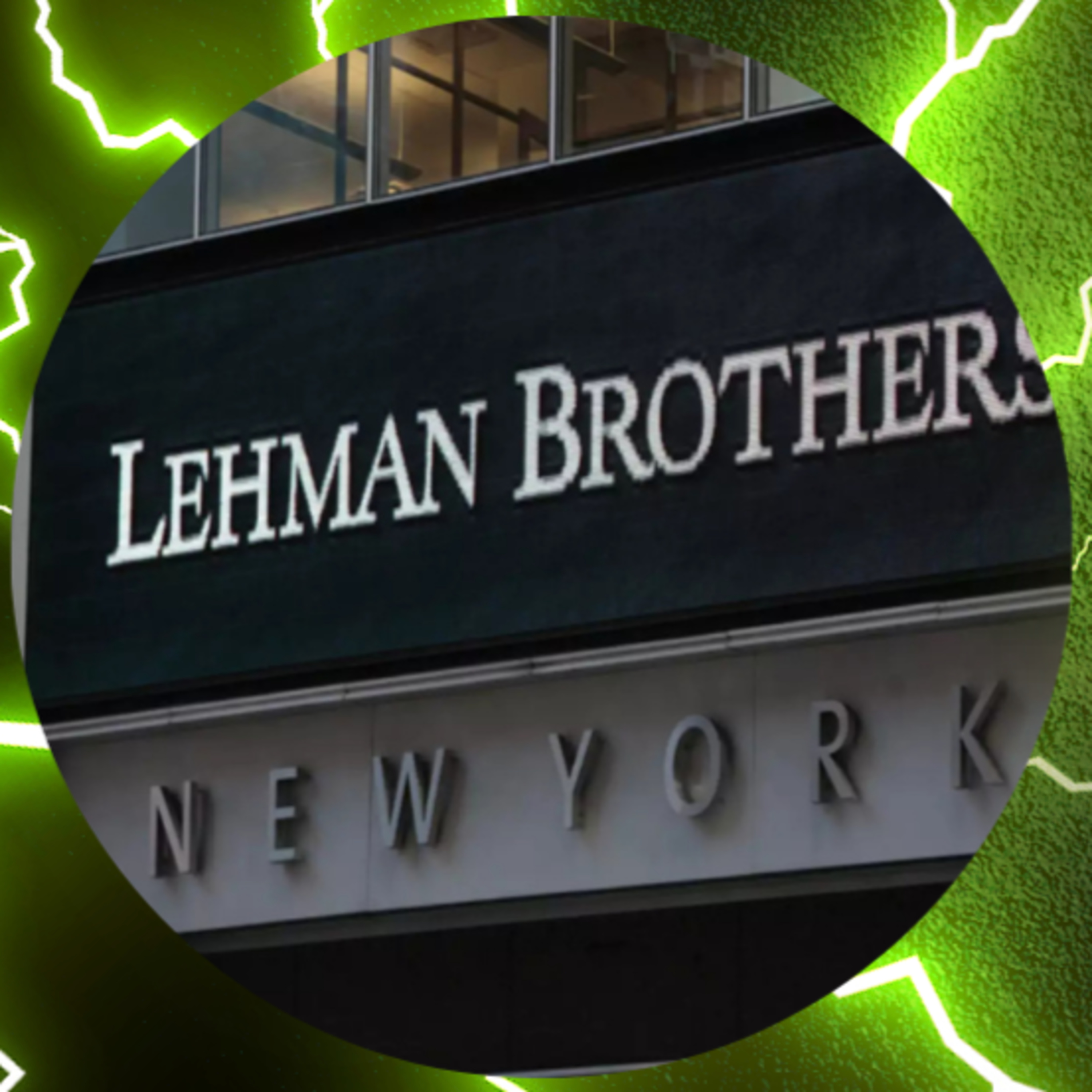
Welcome to this episode, where today we delve into one of the most tumultuous periods in recent economic history—the 2008 financial crisis. This global event reshaped financial markets and had far-reaching impacts on economies worldwide. Let's break down the causes, the major events, and the aftermath of the crisis, providing insights into how it unfolded and its lasting effects on our financial systems. The origins of the 2008 financial crisis can be traced back to a combination of factors that cultivated a perfect storm for economic disaster. Central to these was the boom in the housing market in the United States during the early 2000s. Interest rates were low, making loans more accessible and encouraging an upsurge in home buying and mortgage lending. Financial institutions began to offer more subprime mortgages to borrowers with poor credit histories who were at a higher risk of default. This surge in subprime lending was accompanied by a rise in new financial instruments, such as mortgage-backed securities (MBS) and collateralized debt obligations (CDOs), which banks used to distribute the risk of default. These securities were highly rated by credit rating agencies, misleading investors about the true level of risk. The turning point came in 2007 when housing prices started to fall dramatically, leading to a high rate of defaults on subprime mortgages. As homeowners found themselves with mortgages that were higher than the value of their homes, many defaulted on their loans, causing the MBS and CDOs backed by these mortgages to plummet in value. This led to significant losses for financial institutions globally that held these securities. The collapse of major financial institutions marked the acute phase of the crisis in 2008. Lehman Brothers, a giant in the banking sector, declared bankruptcy due to its extensive exposure to MBS and CDOs. This was the largest bankruptcy in U.S. history and a pivotal moment in the financial crisis, causing panic and massive withdrawals from money markets and banks, leading to a freeze in global credit markets. Other financial institutions, such as Bear Stearns and Merrill Lynch, faced similar fates and were bought out under distressed conditions. The insurance giant AIG, heavily involved in insuring MBS and CDOs through credit default swaps, required a federal bailout to avoid collapse, highlighting the interconnectivity of the financial institutions and the systemic risk posed by their intertwined liabilities. In response to the escalating crisis, the U.S. government and other nations' governments implemented unprecedented measures to stabilize the economy. The U.S. Congress passed the Emergency Economic Stabilization Act of 2008, which created the Troubled Asset Relief Program (TARP) to buy toxic assets from banks and inject capital into them to prevent further failures. Central banks around the world lowered interest rates and injected liquidity into the financial system. The aftermath of the crisis saw the deepest recession since the Great Depression, with millions of people losing their jobs, homes, and savings. The global economy was slow to recover, and the impacts were felt for many years. In response to the crisis, regulatory reforms were introduced to strengthen the financial system. The Dodd-Frank Wall Street Reform and Consumer Protection Act was enacted in the United States, introducing more stringent regulations on banks and financial institutions to prevent a similar crisis. The 2008 financial crisis also led to a reevaluation of the role of credit rating agencies and the need for more transparency and accountability in financial markets. It sparked a debate about the moral hazards of bailing out major financial institutions and the role of government in regulating the economy. Today, the 2008 financial crisis serves as a critical case study in the vulnerabilities of our financial system and the potential consequences of excessive risk-taking and lack of regulation.
What this episode covers
Welcome to this episode, where today we delve into one of the most tumultuous periods in recent economic history—the 2008 financial crisis. This global event reshaped financial markets and had far-reaching impacts on economies worldwide. Let's break down the causes, the major events, and the aftermath of the crisis, providing insights into how it unfolded and its lasting effects on our financial systems. The origins of the 2008 financial crisis can be traced back to a combination of factors that cultivated a perfect storm for economic disaster. Central to these was the boom in the housing market in the United States during the early 2000s. Interest rates were low, making loans more accessible and encouraging an upsurge in home buying and mortgage lending. Financial institutions began to offer more subprime mortgages to borrowers with poor credit histories who were at a higher risk of default. This surge in subprime lending was accompanied by a rise in new financial instruments, such as mortgage-backed securities (MBS) and collateralized debt obligations (CDOs), which banks used to distribute the risk of default. These securities were highly rated by credit rating agencies, misleading investors about the true level of risk. The turning point came in 2007 when housing prices started to fall dramatically, leading to a high rate of defaults on subprime mortgages. As homeowners found themselves with mortgages that were higher than the value of their homes, many defaulted on their loans, causing the MBS and CDOs backed by these mortgages to plummet in value. This led to significant losses for financial institutions globally that held these securities. The collapse of major financial institutions marked the acute phase of the crisis in 2008. Lehman Brothers, a giant in the banking sector, declared bankruptcy due to its extensive exposure to MBS and CDOs. This was the largest bankruptcy in U.S. history and a pivotal moment in the financial crisis, causing panic and massive withdrawals from money markets and banks, leading to a freeze in global credit markets. Other financial institutions, such as Bear Stearns and Merrill Lynch, faced similar fates and were bought out under distressed conditions. The insurance giant AIG, heavily involved in insuring MBS and CDOs through credit default swaps, required a federal bailout to avoid collapse, highlighting the interconnectivity of the financial institutions and the systemic risk posed by their intertwined liabilities. In response to the escalating crisis, the U.S. government and other nations' governments implemented unprecedented measures to stabilize the economy. The U.S. Congress passed the Emergency Economic Stabilization Act of 2008, which created the Troubled Asset Relief Program (TARP) to buy toxic assets from banks and inject capital into them to prevent further failures. Central banks around the world lowered interest rates and injected liquidity into the financial system. The aftermath of the crisis saw the deepest recession since the Great Depression, with millions of people losing their jobs, homes, and savings. The global economy was slow to recover, and the impacts were felt for many years. In response to the crisis, regulatory reforms were introduced to strengthen the financial system. The Dodd-Frank Wall Street Reform and Consumer Protection Act was enacted in the United States, introducing more stringent regulations on banks and financial institutions to prevent a similar crisis. The 2008 financial crisis also led to a reevaluation of the role of credit rating agencies and the need for more transparency and accountability in financial markets. It sparked a debate about the moral hazards of bailing out major financial institutions and the role of government in regulating the economy. Today, the 2008 financial crisis serves as a critical case study in the vulnerabilities of our financial system and the potential consequences of excessive risk-taking and lack of regulation.
NOW PLAYING
Mortage-Backed Securities & The 2008 Financial Crisis W/ Zayed Karim
No transcript for this episode yet
Similar Episodes
Nov 17, 2025 ·66m
May 26, 2025 ·2m
May 26, 2025 ·2m
May 26, 2025 ·2m
May 26, 2025 ·2m
May 26, 2025 ·2m