
EPISODE · Jun 12, 2026 · 23 MIN
Move Fast and Break Rights
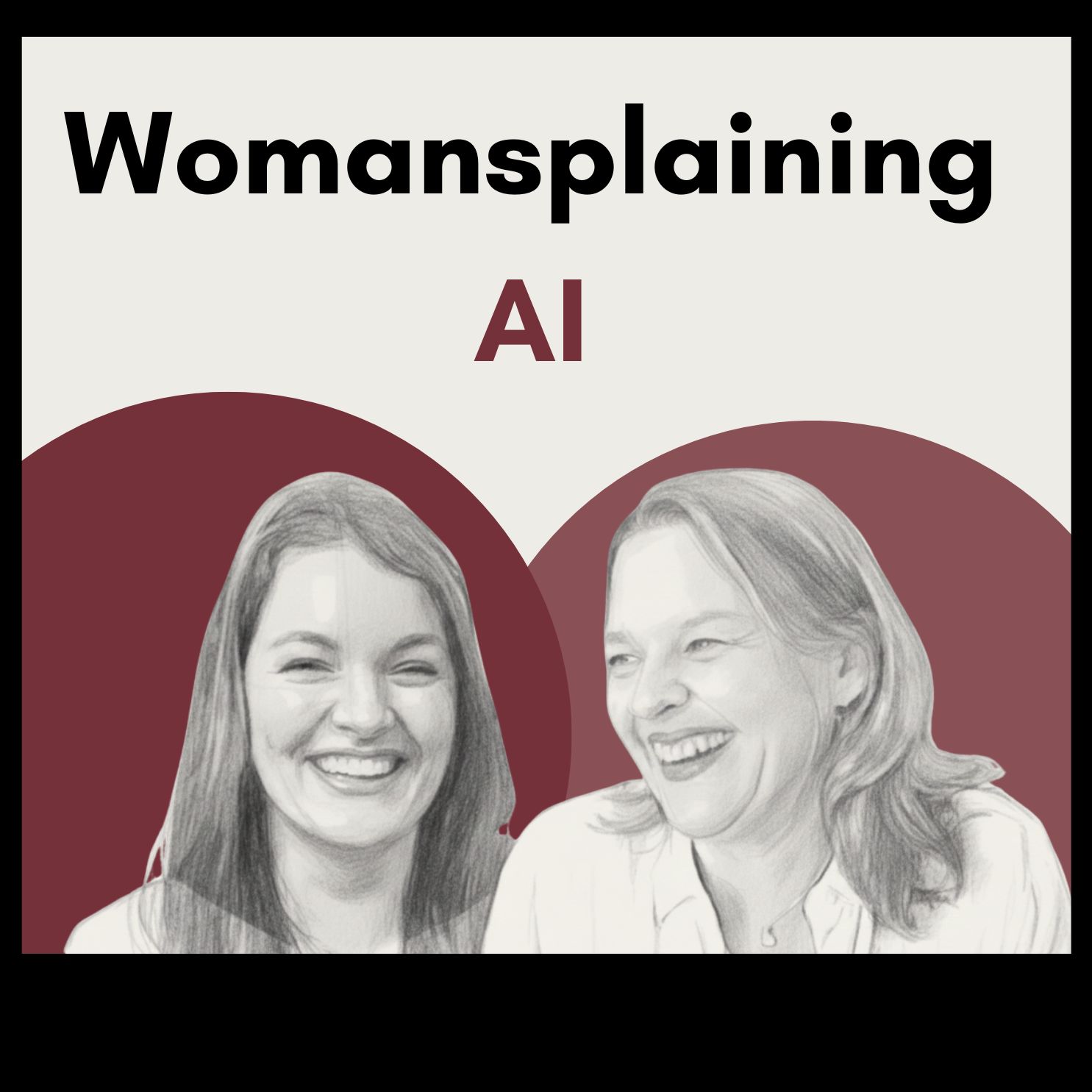
from Womansplaining AI · host Logan Currie
Digital civil rights lawyer Julie Wenah has spent her career inside the rooms where this stuff gets built: the Obama White House, Airbnb, where she led anti-discrimination work on the legal side, and Meta, where she supported the launch of the first-generation Ray-Ban smart glasses and advised on facial recognition systems. Now she chairs the Digital Civil Rights Coalition. Recorded at Human+Tech Week in San Francisco, this conversation is about what happens when technology moves faster than its conscience, and who gets left on the platform when the train pulls away.We get into the future Julie is trying to head off: a world where your face is scanned for a job or a loan, and an error margin for darker skin tones quietly becomes a higher interest rate. Then, ICE Glasses: leaked DHS budget documents earmark $7.5 million to develop smart glasses giving agents real-time biometric identification in the field — face, gait, and more — with a September 2027 target. Julie worked on this category of hardware from the inside. When she says pay attention, pay attention.Then it gets personal. Julie was seven when immigration agents came to her house looking for someone else and took her father, a newspaper carrier working before dawn to support his family. More than thirty years later she wrote about it for HuffPost, and one line from that essay — "a system that moved faster than its conscience" — turns out to be about more than immigration. The moment that connection lands on air is the reason to send this episode to a friend.Also: Mara's grandfather's letters from Siberia. Julie's thread-and-tapestry theory of why we become who we become. A film shot in the Martha's Vineyard house where Dr. King came to rest and resist. And a 2,000-year-old line Julie carries with her: "I am a human being; nothing human is alien to me."Leave us a voicemail at womansplainingai.com! We want your voice in future episodes.
What this episode covers
Digital civil rights lawyer Julie Wenah has spent her career inside the rooms where this stuff gets built: the Obama White House, Airbnb, where she led anti-discrimination work on the legal side, and Meta, where she supported the launch of the first-generation Ray-Ban smart glasses and advised on facial recognition systems. Now she chairs the Digital Civil Rights Coalition. Recorded at Human+Tech Week in San Francisco, this conversation is about what happens when technology moves faster than its conscience, and who gets left on the platform when the train pulls away.We get into the future Julie is trying to head off: a world where your face is scanned for a job or a loan, and an error margin for darker skin tones quietly becomes a higher interest rate. Then, ICE Glasses: leaked DHS budget documents earmark $7.5 million to develop smart glasses giving agents real-time biometric identification in the field — face, gait, and more — with a September 2027 target. Julie worked on this category of hardware from the inside. When she says pay attention, pay attention.Then it gets personal. Julie was seven when immigration agents came to her house looking for someone else and took her father, a newspaper carrier working before dawn to support his family. More than thirty years later she wrote about it for HuffPost, and one line from that essay — "a system that moved faster than its conscience" — turns out to be about more than immigration. The moment that connection lands on air is the reason to send this episode to a friend.Also: Mara's grandfather's letters from Siberia. Julie's thread-and-tapestry theory of why we become who we become. A film shot in the Martha's Vineyard house where Dr. King came to rest and resist. And a 2,000-year-old line Julie carries with her: "I am a human being; nothing human is alien to me."Leave us a voicemail at womansplainingai.com! We want your voice in future episodes.
NOW PLAYING
Move Fast and Break Rights
No transcript for this episode yet