
EPISODE · Jul 16, 2020 · 22 MIN
MSU alumnus advocates solutions-oriented approach to fighting racism and promoting social justice
from MSU Today with Russ White · host Russ White
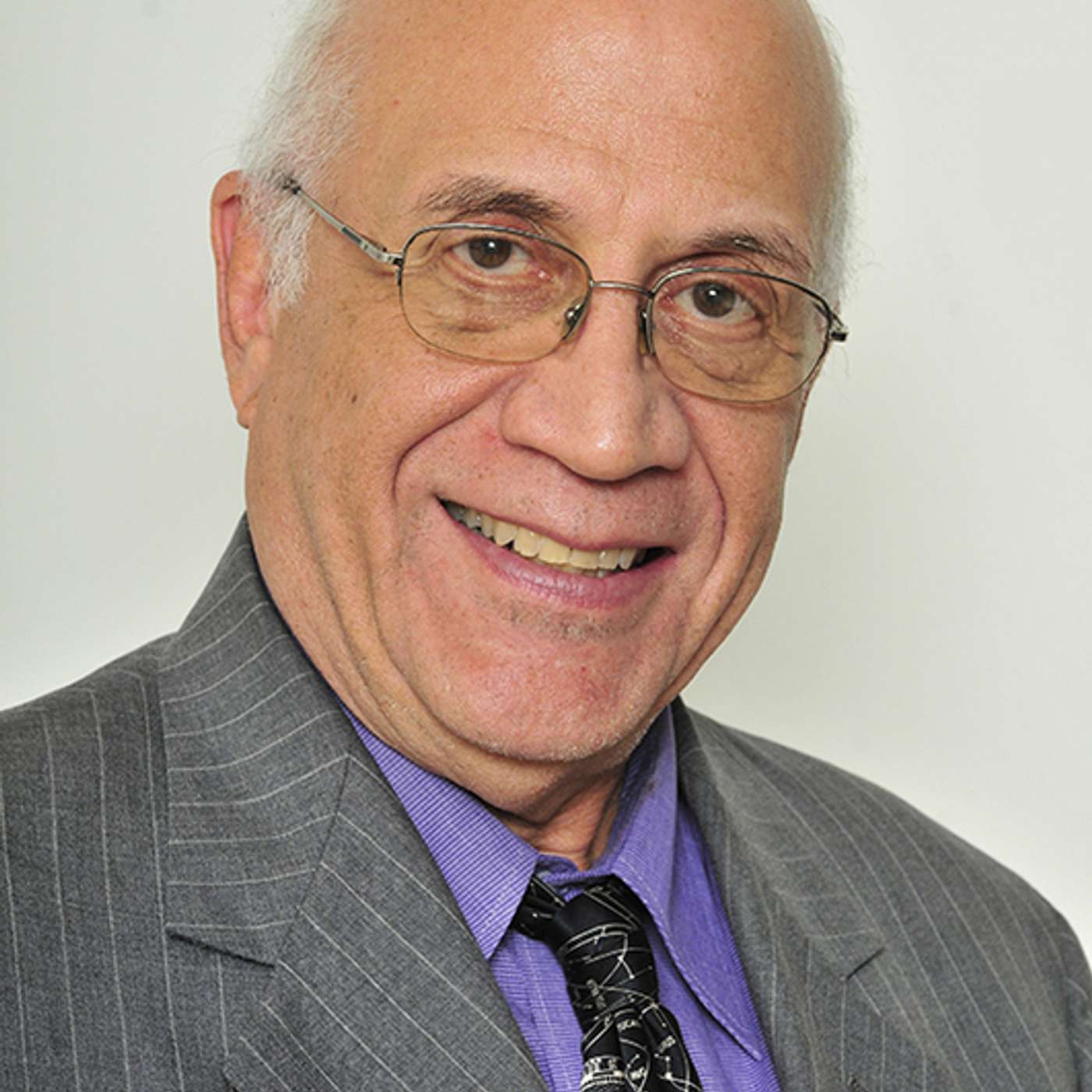
Phil Hart earned master’s and Ph.D. degrees in sociology in 1970 and 1974 respectively from MSU’s College of Social Science. Hart has dedicated his career to studying race in America through the lenses of sociology, urban planning, and social justice. He's authored more than 100 books and articles on race in America and has served as a leader both on campus and around the country on race-related initiatives. Hart talks about his time as a student activist on campus and offers his perspective on the challenges our nation is facing today. “When I first arrived at MSU in the fall of 66, there was a lot of excitement about football. It was Bubba Smith and Duffy Daugherty. That was the center of attention. As we got to April 4th, 1968 with the assassination of Martin Luther King Jr, the mood changed totally, and I became very active in campus life. I was one of the founders of the Black Student Alliance that began putting pressure on the university to respond to the racial injustice and the urban protest that was going on starting after the death of Martin Luther King Jr.”Hart talks about how he evolved as a student leader and points out that MSU opened the nation’s first department of urban affairs. He was instrumental in establishing an urban experiment station at MSU.He senses a difference in the country’s mood following the killing of George Floyd “because the protests are more multiracial and multicultural, and the true awakening is happening in cities and towns around the world like London and Berlin.“Also, what I think about is one of the things that Martin Luther King spoke about. He talked about the arc of history. He said, ‘The arc of history is long, but it bends towards justice.’ And I think the thing that I see different now from, say 1968, is that I think the arc of history is now bending towards justice. As you think about where all of this is leading today, we're obviously in the midst of a pandemic. I've been on lockdown in my house since March 11th. That plus the collapse of the economy because of our response to the pandemic and then the urban unrest is different than 1968 in that we've got the pandemic laid over these other events. Non-Black people are waking up to the plight that we have been experiencing as Black people in America since we got here in 1619 in a history of racial oppression, racism, and white supremacy, frankly.”Hart writes and speaks about solutions-oriented approaches to social injustice. He explains what he means by “solutions-oriented” and shares his views on reparations.“What we need are solutions for the United States of America to address racism, the question of diversity and inclusion, and wealth creation on the part of Black Americans.” Hart shares his “broad three-pronged approach that I believe are possible solutions moving forward that address social justice and wealth creation. That includes reparations, universities’ responsibility, and corporations’ responsibility.”Hart says “in many ways, Michigan State University has been ahead of the curve in addressing racism. It was 50 years ago that Clifton Wharton became the president of MSU, the first African American president of a major predominantly white public research university. “And I would expect that Michigan State, among not only land grant universities but universities at large, would be in the lead in terms of addressing these issues. And Michigan State has a significant population of Black students. Even when I was there, and that was 1970, 1974, the number of Black students that we had at MSU exceeded the number of Black students at several historically Black colleges and universities. Michigan State's traditionally been in the lead in terms of issues that relate to Black Americans.”He shares his views on how he would define both White and Black fragility and on how we can all help make a difference in our own communities.“Racism is a virus. In our local communities we can be anti-racist and take proactive steps to make sure that racism is eliminated. COVID-1619 is a vaccine that is needed to fight racism. But before we find a vaccine, just like before we find a vaccine for COVID-19, we can take steps. Wear a mask. Practice social distancing. If all of us in our local communities take an anti-racist stance and stop using skin color as a way to say whether someone is good or bad or that we're going to treat them in a certain way, that's a good first step to take.”MSU Today airs every Sunday morning on 105.1 FM, AM 870, and your smart speaker and connected devices.
Embed this episode
What this episode covers
MSU alumnus Phil Hart advocates a solutions-oriented approach to fighting racism and promoting social justice
Ready to play
MSU alumnus advocates solutions-oriented approach to fighting racism and promoting social justice
No transcript for this episode yet
Similar Episodes
No similar episodes found.
Similar Podcasts
No similar podcasts found.