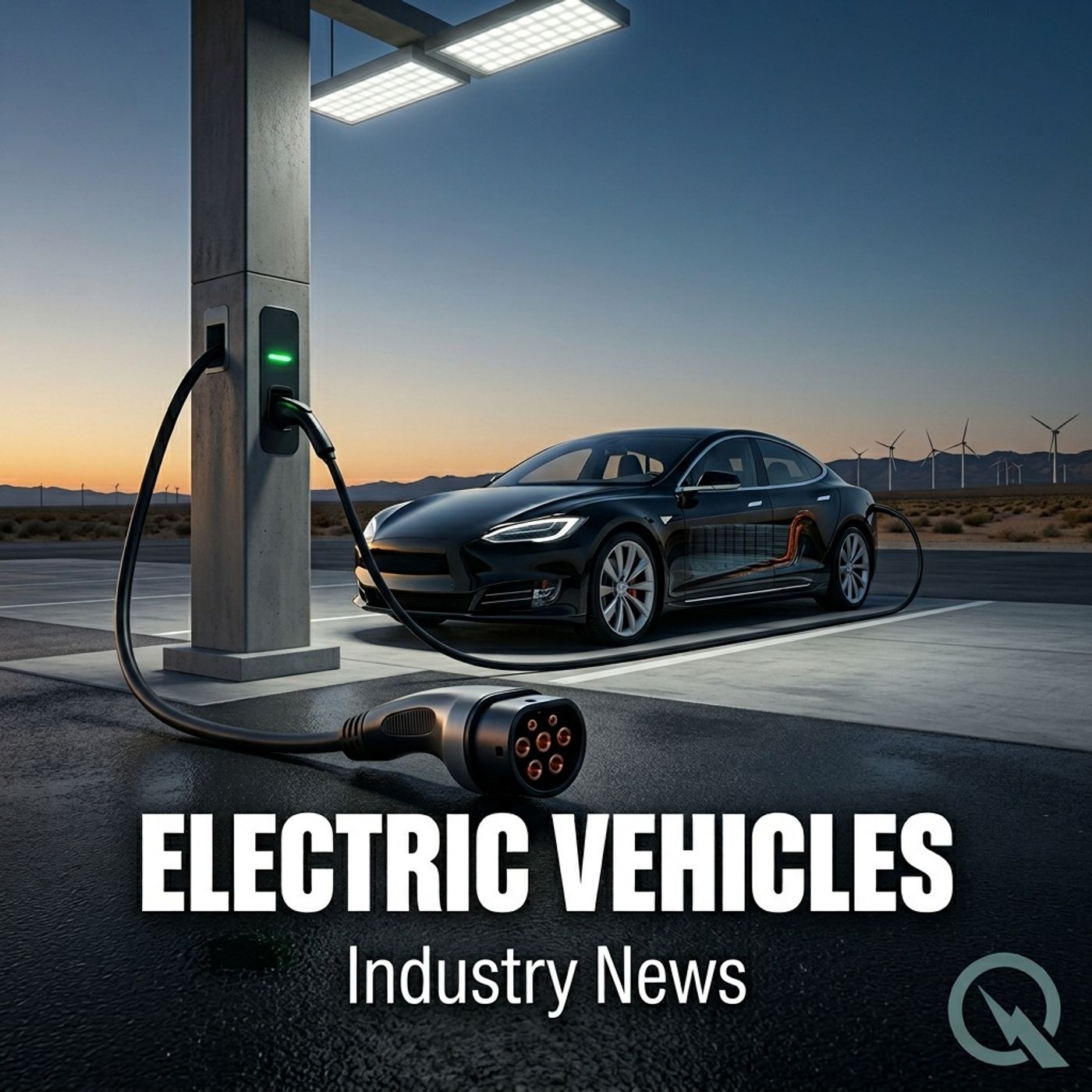
Navigating the Dynamic Shift in the EV Industry: Adapting to Tariffs, Innovation, and Changing Consumer Demands episode artwork

EPISODE · Apr 4, 2025 · 3 MIN

Navigating the Dynamic Shift in the EV Industry: Adapting to Tariffs, Innovation, and Changing Consumer Demands

from Electric Vehicles Industry News · host Inception Point AI

The electric vehicle (EV) industry is currently experiencing a dynamic shift marked by regulatory changes, product launches, new partnerships, and evolving market sentiment. Recent developments affirm the sector's rapid adaptation to challenges such as tariffs, fluctuating consumer demand, and technological innovation. Key changes this week include the U.S. imposition of a 25% tariff on imported EVs and parts, effective April 2, 2025. This move is expected to escalate prices for models such as the Polestar 2 and Jeep Wagoneer S, which rely heavily on foreign manufacturing. Industry stakeholders are responding with aggressive incentives to offset potential price hikes, such as Jeep’s 0% financing deals on affected models through April[7]. Consumer-facing initiatives dominate recent strategies. Rivian launched its "Electric Refresh" offer, providing up to $10,500 in trade-in incentives for its R1T and R1S models in April. This includes $3,000 off and a $7,500 federal EV tax credit, aimed at broadening accessibility[8]. Meanwhile, Tesla introduced a cost-effective Model Y variant, reinforcing its dominance in the premium EV market amidst slowing sales. Tesla also announced trials of its autonomous Cybercab in select U.S. cities, signaling its continued push for innovation despite economic headwinds[4][7]. On the product front, new launches feature prominently. Hyundai updated its IONIQ lineup, and American brands like Chevrolet revived the affordable Bolt EV on GM's Ultium platform, targeting budget-conscious buyers. Luxury brands such as Ferrari and Cadillac revealed plans for their first electric models, highlighting the expanding appeal of EVs across market segments[1][10]. In terms of infrastructure, global investment in charging solutions is accelerating. Companies like NovaCHARGE announced partnerships to expand ultra-fast EV charging stations, critical for meeting growing demand. However, supply chain concerns persist, especially in battery sourcing and production, with some manufacturers exploring partnerships to secure rare minerals and maintain cost efficiency[10]. Despite these advancements, affordability remains a pivotal factor, with leasing options growing in popularity to address high upfront costs. Leases like Honda’s Prologue Touring at $239/month exemplify this trend, offering consumers access to EV technology without long-term risk[5]. Comparing the current landscape to earlier periods, the EV market shows resilience despite regulatory and economic disruptions. Consumer adoption increases, supported by lower financing rates and strategic pricing, but tariffs and supply chain vulnerabilities may slow momentum in the short term. Industry leaders are countering these challenges with innovation, incentives, and expanded infrastructure to sustain growth. This content was created in partnership and with the help of Artificial Intelligence AI.

The electric vehicle (EV) industry is currently experiencing a dynamic shift marked by regulatory changes, product launches, new partnerships, and evolving market sentiment. Recent developments affirm the sector's rapid adaptation to challenges such as tariffs, fluctuating consumer demand, and technological innovation. Key changes this week include the U.S. imposition of a 25% tariff on imported EVs and parts, effective April 2, 2025. This move is expected to escalate prices for models such as the Polestar 2 and Jeep Wagoneer S, which rely heavily on foreign manufacturing. Industry stakeholders are responding with aggressive incentives to offset potential price hikes, such as Jeep’s 0% financing deals on affected models through April[7]. Consumer-facing initiatives dominate recent strategies. Rivian launched its "Electric Refresh" offer, providing up to $10,500 in trade-in incentives for its R1T and R1S models in April. This includes $3,000 off and a $7,500 federal EV tax credit, aimed at broadening accessibility[8]. Meanwhile, Tesla introduced a cost-effective Model Y variant, reinforcing its dominance in the premium EV market amidst slowing sales. Tesla also announced trials of its autonomous Cybercab in select U.S. cities, signaling its continued push for innovation despite economic headwinds[4][7]. On the product front, new launches feature prominently. Hyundai updated its IONIQ lineup, and American brands like Chevrolet revived the affordable Bolt EV on GM's Ultium platform, targeting budget-conscious buyers. Luxury brands such as Ferrari and Cadillac revealed plans for their first electric models, highlighting the expanding appeal of EVs across market segments[1][10]. In terms of infrastructure, global investment in charging solutions is accelerating. Companies like NovaCHARGE announced partnerships to expand ultra-fast EV charging stations, critical for meeting growing demand. However, supply chain concerns persist, especially in battery sourcing and production, with some manufacturers exploring partnerships to secure rare minerals and maintain cost efficiency[10]. Despite these advancements, affordability remains a pivotal factor, with leasing options growing in popularity to address high upfront costs. Leases like Honda’s Prologue Touring at $239/month exemplify this trend, offering consumers access to EV technology without long-term risk[5]. Comparing the current landscape to earlier periods, the EV market shows resilience despite regulatory and economic disruptions. Consumer adoption increases, supported by lower financing rates and strategic pricing, but tariffs and supply chain vulnerabilities may slow momentum in the short term. Industry leaders are countering these challenges with innovation, incentives, and expanded infrastructure to sustain growth. This content was created in partnership and with the help of Artificial Intelligence AI.

NOW PLAYING

Navigating the Dynamic Shift in the EV Industry: Adapting to Tariffs, Innovation, and Changing Consumer Demands

0:00 3:08

No transcript for this episode yet

We transcribe on demand. Request one and we'll notify you when it's ready — usually under 10 minutes.

Breaking News Show | eTurboNews Juergen Thomas Steinmetz News is relevant to the global travel and tourism industry, human rights and global issues.Breaking news when it happens and only from the source. Chewing the Fat with WorkForge WorkForge Bite-Sized Conversations for Building a Stronger Workforce Welcome to Chewing the Fat, a podcast delving deep into the world of food manufacturing. Dive into real conversations around critical topics like staffing, retention, onboarding, and career development in this essential industry. Subscribe now to gain insights from your peers, subject matter experts and more on the biggest issues facing food manufacturers today: -Hiring and retaining employees -Addressing the challenges of the Silver Tsunami -Improving time to productivity of new employees -Engaging employees from hire to retire And more... Tune in to Chewing the Fat, a WorkForge podcast, and join the conversation on how to build and sustain a resilient, high-performing workforce in food manufacturing. Show Nuff Entertainment News We write about Entertainment News from around the world. celebrities, sports, movies, and more... All On A Positive Level!!! The Professionals Infosys Knowledge Institute Lawyers, accountants, and consultants reveal their secrets to success and discuss future trends in The Professionals, an Infosys Knowledge Institute podcast. Hosted by Samad Masood, a former journalist and industry analyst with more than 20 years experience observing this dynamic and ever growing industry.

Frequently Asked Questions

How long is this episode of Electric Vehicles Industry News?

This episode is 3 minutes long.

When was this Electric Vehicles Industry News episode published?

This episode was published on April 4, 2025.

What is this episode about?

The electric vehicle (EV) industry is currently experiencing a dynamic shift marked by regulatory changes, product launches, new partnerships, and evolving market sentiment. Recent developments affirm the sector's rapid adaptation to challenges such...

Can I download this Electric Vehicles Industry News episode?

Yes, you can download this episode by clicking the download button on the episode player, or subscribe to the podcast in your preferred podcast app for automatic downloads.
URL copied to clipboard!