Nazi Summer Camp
Reporter Karen Duffin and her father were talking one day when, just as an aside, he mentioned the Nazi prisoners of war that worked on his Idaho farm when he was a kid. Karen was shocked ... and then immediately obsessed. So she spoke with historians, dug through the National Archives and oral histories, and uncovered the astonishing story of a small town in Alabama overwhelmed by thousands of German prisoners of war. Along the way, she discovered that a very fundamental question - one that we are struggling with today - was playing out seventy years ago in hundreds of towns across America: When your enemy is at your mercy, how should you treat them? Karen helps Jad and Robert try to figure out why we did what we did then, and why we are doing things so differently now. Produced by Kelsey Padgett. CORRECTION: A previous version of this podcast stated that the Nuremberg Laws and the Mississippi Black Code could be viewed side by side at a museum in Nuremberg. We were unable to confirm the existence of such an exhibit. We were also unable to confirm that the Nuremberg Laws were literally copied from the Mississippi Black Codes. The audio has been corrected to reflect this. We've gathered more photos of Camp Aliceville here Special thanks to: Mary Bess Paluzzi, founding director of the Aliceville Museum John Gillum, current Director of the Aliceville Museum Sam Love, a filmmaker who gathered the oral histories Ruth Beaumont Cook, who wrote a great book about Aliceville
Episode 198 of the Radiolab podcast, hosted by WNYC Studios, titled "Nazi Summer Camp" was published on May 22, 2015 and runs 30 minutes.
May 22, 2015 ·30m · Radiolab
Summary
Reporter Karen Duffin and her father were talking one day when, just as an aside, he mentioned the Nazi prisoners of war that worked on his Idaho farm when he was a kid. Karen was shocked ... and then immediately obsessed. So she spoke with historians, dug through the National Archives and oral histories, and uncovered the astonishing story of a small town in Alabama overwhelmed by thousands of German prisoners of war. Along the way, she discovered that a very fundamental question - one that we are struggling with today - was playing out seventy years ago in hundreds of towns across America: When your enemy is at your mercy, how should you treat them? Karen helps Jad and Robert try to figure out why we did what we did then, and why we are doing things so differently now. Produced by Kelsey Padgett. CORRECTION: A previous version of this podcast stated that the Nuremberg Laws and the Mississippi Black Code could be viewed side by side at a museum in Nuremberg. We were unable to confirm the existence of such an exhibit. We were also unable to confirm that the Nuremberg Laws were literally copied from the Mississippi Black Codes. The audio has been corrected to reflect this. We've gathered more photos of Camp Aliceville here Special thanks to: Mary Bess Paluzzi, founding director of the Aliceville Museum John Gillum, current Director of the Aliceville Museum Sam Love, a filmmaker who gathered the oral histories Ruth Beaumont Cook, who wrote a great book about Aliceville
Episode Description
Reporter Karen Duffin and her father were talking one day when, just as an aside, he mentioned the Nazi prisoners of war that worked on his Idaho farm when he was a kid. Karen was shocked ... and then immediately obsessed. So she spoke with historians, dug through the National Archives and oral histories, and uncovered the astonishing story of a small town in Alabama overwhelmed by thousands of German prisoners of war. Along the way, she discovered that a very fundamental question - one that we are struggling with today - was playing out seventy years ago in hundreds of towns across America: When your enemy is at your mercy, how should you treat them? Karen helps Jad and Robert try to figure out why we did what we did then, and why we are doing things so differently now.
Produced by Kelsey Padgett.
CORRECTION: A previous version of this podcast stated that the Nuremberg Laws and the Mississippi Black Code could be viewed side by side at a museum in Nuremberg. We were unable to confirm the existence of such an exhibit. We were also unable to confirm that the Nuremberg Laws were literally copied from the Mississippi Black Codes. The audio has been corrected to reflect this.
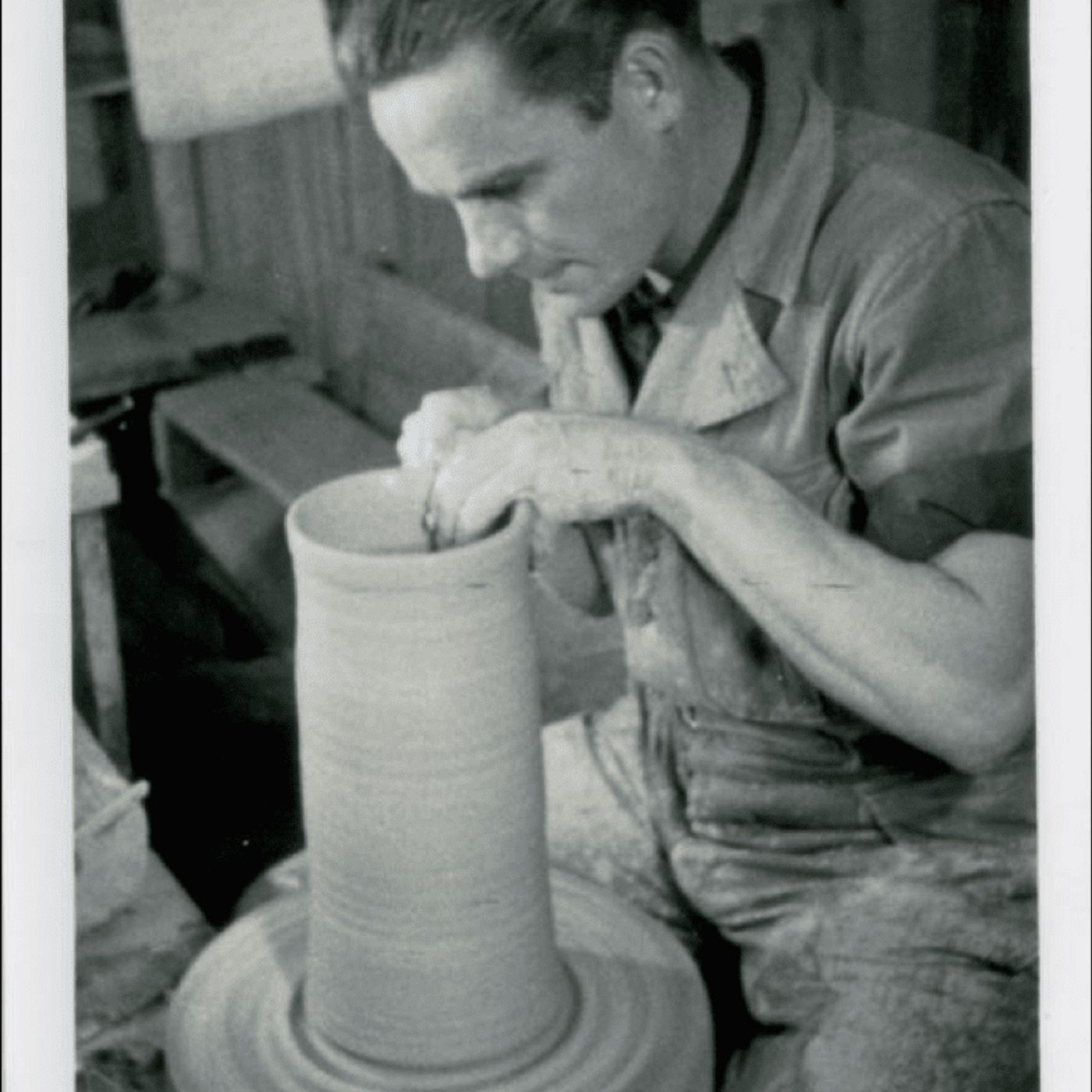
We've gathered more photos of Camp Aliceville here
Special thanks to:
Mary Bess Paluzzi, founding director of the Aliceville Museum John Gillum, current Director of the Aliceville Museum Sam Love, a filmmaker who gathered the oral histories Ruth Beaumont Cook, who wrote a great book about AlicevilleSimilar Episodes
Jul 9, 2021 ·27m
Jul 2, 2021 ·42m
Jun 29, 2021 ·12m
Jun 26, 2021 ·41m
Jun 19, 2021 ·43m
Jun 18, 2021 ·66m