PodParley PodParley

Necromancy

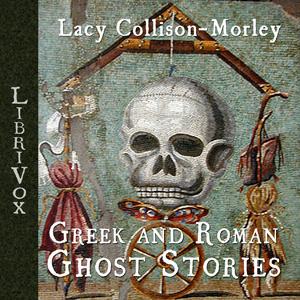
An episode of the Greek and Roman Ghost Stories podcast, hosted by Lacy Collison-Morley, titled "Necromancy" was published on October 4, 2009 and runs 17 minutes.

October 4, 2009 ·17m · Greek and Roman Ghost Stories

0:00 / 0:00
The Mythical Hour : Greek and Roman Mythology Liesel Cilla Stories from Greek and Roman mythology in a (hopefully) entertaining and engaging format. The Mythical Hour delves into centuries old and fascinating mythology from Ancient Greece and Rome. Myth in the Greek and Roman Worlds: the Temple of Diana at Nemi - for iPod/iPhone The Open University How was mythology used by ancient Romans in their everyday lives? At Nemi to the south of Rome, the sanctuary of the goddess Diana provides us with a snapshot of Roman life and society. This album explores some of the fragments of objects found at the site of Diana's temple, such as a street entertainer's clay lamp, an ex-slave's votive statue and a miniature model of the Temple itself. Containing significant clues about social mobility, these cult objects reveal how lower social classes used mythical stories to empower themselves.This material forms part of The Open University course A330 Myth in the Greek and Roman worlds. Myth in the Greek and Roman Worlds: the Temple of Diana at Nemi - for iPad/Mac/PC The Open University How was mythology used by ancient Romans in their everyday lives? At Nemi to the south of Rome, the sanctuary of the goddess Diana provides us with a snapshot of Roman life and society. This album explores some of the fragments of objects found at the site of Diana's temple, such as a street entertainer's clay lamp, an ex-slave's votive statue and a miniature model of the Temple itself. Containing significant clues about social mobility, these cult objects reveal how lower social classes used mythical stories to empower themselves.This material forms part of The Open University course A330 Myth in the Greek and Roman worlds. Myth at the heart of the Roman Empire - for iPad/Mac/PC The Open University How and why did ancient Romans use myth to validate their power? Emperor Augustus legitimised his rule by entwining his own ancestry with the mythical stories of Rome's foundation, and created a divine aura around Rome as capital of the vast empire. This album visits key emblems associated with Rome's beginnings: the Forum and the Capitoline Hill with its statue of the she-wolf and Romulus and Remus; the Emperor Augustus's palace and ceremonial altar, and the 17th Century D'Arpino frescos of foundation myths commissioned by Pope Innocent X to underpin his authority. By monumentalising and glorifying their real and legendary past, Romans painted their own history and this continues to encapsulate Roman identity today. This material forms part of The Open University course A330 Myth in the Greek and Roman worlds.
URL copied to clipboard!