
EPISODE · Jan 17, 2023 · 53 MIN
Not every story is ours to tell—should we tell them, anyway?
from The New Story Is with Dave Ursillo
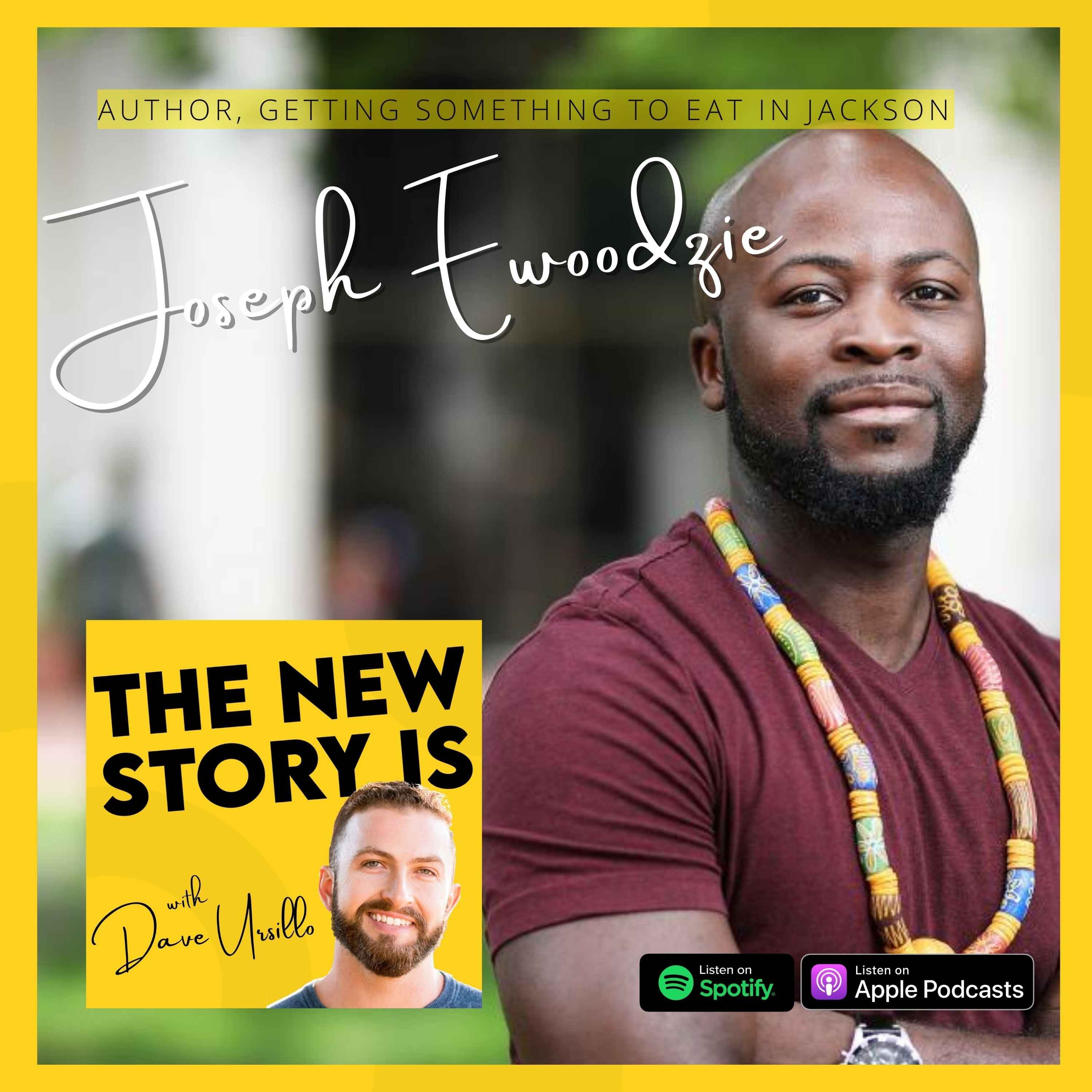
For everyday activists and socially-conscious advocates of change, storytelling offers a gateway for helping to bring people together and possibly change hearts and minds. And yet, questions arise: When is or isn't a story our own to tell?Joseph C. Ewoodzie Jr. is the Vann Associate Professor of Racial Justice at Davidson College and the author of Getting Something to Eat in Jackson: Race, Class, and Food In the American South, a vivid portrait of African American life in today’s urban South through the lens of food, its history, and access to it.For two weeks in 2011, 11 months in 2012, and 3 months in 2016, Joseph lived as an unhoused person, worked in a Black-owned BBQ restaurant, shadow low-income families just trying to get by, and sat at fine-dining tables with some of Jackon’s most well-off families to research people and their stories from in-depth, firsthand experience. As a cultural sociologist, Joseph says that principles of the research method called "ethnography" can help all of us navigate ethical dilemmas of storytelling, including how to tell stories more honestly, respectfully, and humbly.He says we live in a world that needs as many stories, and as much representation, as possible.Please rate and review our show to help other listeners find our work!Email us at [email protected]. Visit TheNewStory.is to learn about The New Story Co. or to listen to our full catalog of interviews.Support our partners and affiliates for exclusive discounts:Acorns: Save spare change and invest in your future. Start with a free $5 investmentBookshop.org: Buy cheap books and support local, independent bookstores with every purchaseFathom Analytics: Get beautiful, secure website data without trading your customers’ private browsing data to Google and FacebookFlywheel: Seamless WordPress website hosting on US-based serversHover: Register domains with ease. Save $2 on your first purchaseMailerLite: A lite, powerful email marketing platform with premium plans starting at just $9/mo.Sanebox: Take back your inbox with machine learning to automatically organize your emails. Save $5 when you joinTrint: Turn audio recordings of meetings, calls, and interviews into transcripts with 99% accuracy.Affiliate Disclosure: Our show is listener supported, including through affiliate and partner links. By clicking one of the above links and registering or making a purchase, we may earn a small commission, which helps pay for the costs of our show. Hosted on Acast. See acast.com/privacy for more information.
Embed this episode
NOW PLAYING
Not every story is ours to tell—should we tell them, anyway?
No transcript for this episode yet
Similar Episodes
No similar episodes found.
Similar Podcasts
No similar podcasts found.