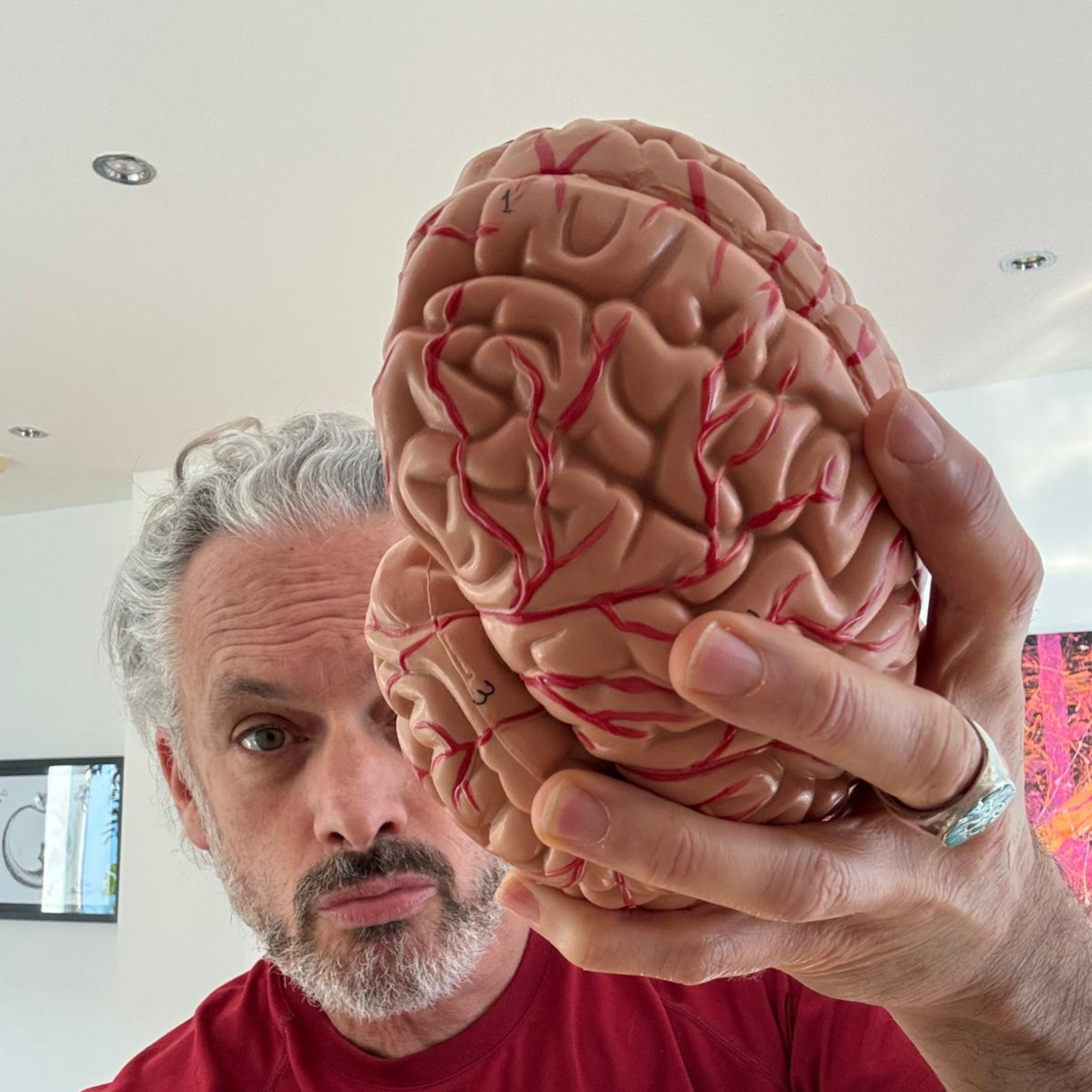
Nothing Has Changed: The Psychology of Marketing from 1920s Print to 2025 Feeds episode artwork

EPISODE · May 26, 2025 · 4 MIN

Nothing Has Changed: The Psychology of Marketing from 1920s Print to 2025 Feeds

from The Lizard Eats Its Tail: Who Are You Talking To? Identity, Psychology, and the Marketing Gap · host Bk

Marketing has evolved in form, not in function. We may be running TikTok ads, Reddit AMAs, and influencer campaigns in 2025, but the psychology behind all of it has barely changed since the early days of 20th-century print.In this episode of The Lizard Eating Its Tail, Brandon Keenen explores the historical roots of modern marketing — and how core psychological principles like social proof, scarcity, FOMO, and price anchoring were already being used in the 1920s. Using real examples from print ads and catalogs of the era, Brandon shows that the smartest strategies today are often just refined versions of what worked a century ago.You will learn:How 1920s soap brands like Lux used testimonials from Hollywood stars to apply social proof — the same way influencers are used todayHow limited-time offers and scarcity language in print ads mirrored today’s FOMO-driven drops, waitlists, and urgency tacticsWhy early Sears catalogs used price anchoring by placing high-priced products next to budget options to drive perception — exactly like modern SaaS pricing modelsHow the psychological framework from Claude Hopkins’ 1923 book Scientific Advertising still drives everything from A/B testing to direct-response creativeWhy the human brain — not the platform — should still be the focus of every marketing strategyThis episode breaks through the noise to reveal a simple truth: marketing has always been about persuasion, and persuasion has always been about emotion. While the tools and channels have changed, the audience — the human brain — remains largely the same.Brandon also reflects on what this means for marketers today. We spend so much time chasing tactics, tools, and trends that we often forget the deeper work is timeless: understanding fear, trust, belonging, desire, and status.You will hear Brandon challenge marketers to ask sharper questions:Are we designing for algorithms or for people?Are we building emotional trust or chasing platform metrics?Are we using psychology with intention or just mimicking whatever is trending?Whether you’re running a high-performance media campaign, crafting a brand story, or simply trying to connect with your customer in a real way, this episode is a reminder that success doesn’t come from reinventing human behavior — it comes from respecting it.If you’re tired of marketing advice that feels disconnected from reality, and want a smarter, deeper approach rooted in behavioral history and modern clarity — this one is for you.Because marketing is not new.And understanding that gives you an edge.

Marketing has evolved in form, not in function. We may be running TikTok ads, Reddit AMAs, and influencer campaigns in 2025, but the psychology behind all of it has barely changed since the early days of 20th-century print.In this episode of The Lizard Eating Its Tail, Brandon Keenen explores the historical roots of modern marketing — and how core psychological principles like social proof, scarcity, FOMO, and price anchoring were already being used in the 1920s. Using real examples from print ads and catalogs of the era, Brandon shows that the smartest strategies today are often just refined versions of what worked a century ago.You will learn:How 1920s soap brands like Lux used testimonials from Hollywood stars to apply social proof — the same way influencers are used todayHow limited-time offers and scarcity language in print ads mirrored today’s FOMO-driven drops, waitlists, and urgency tacticsWhy early Sears catalogs used price anchoring by placing high-priced products next to budget options to drive perception — exactly like modern SaaS pricing modelsHow the psychological framework from Claude Hopkins’ 1923 book Scientific Advertising still drives everything from A/B testing to direct-response creativeWhy the human brain — not the platform — should still be the focus of every marketing strategyThis episode breaks through the noise to reveal a simple truth: marketing has always been about persuasion, and persuasion has always been about emotion. While the tools and channels have changed, the audience — the human brain — remains largely the same.Brandon also reflects on what this means for marketers today. We spend so much time chasing tactics, tools, and trends that we often forget the deeper work is timeless: understanding fear, trust, belonging, desire, and status.You will hear Brandon challenge marketers to ask sharper questions:Are we designing for algorithms or for people?Are we building emotional trust or chasing platform metrics?Are we using psychology with intention or just mimicking whatever is trending?Whether you’re running a high-performance media campaign, crafting a brand story, or simply trying to connect with your customer in a real way, this episode is a reminder that success doesn’t come from reinventing human behavior — it comes from respecting it.If you’re tired of marketing advice that feels disconnected from reality, and want a smarter, deeper approach rooted in behavioral history and modern clarity — this one is for you.Because marketing is not new.And understanding that gives you an edge.

NOW PLAYING

Nothing Has Changed: The Psychology of Marketing from 1920s Print to 2025 Feeds

0:00 4:31

No transcript for this episode yet

We transcribe on demand. Request one and we'll notify you when it's ready — usually under 10 minutes.

Frequently Asked Questions

How long is this episode of The Lizard Eats Its Tail: Who Are You Talking To? Identity, Psychology, and the Marketing Gap?

This episode is 4 minutes long.

When was this The Lizard Eats Its Tail: Who Are You Talking To? Identity, Psychology, and the Marketing Gap episode published?

This episode was published on May 26, 2025.

What is this episode about?

Marketing has evolved in form, not in function. We may be running TikTok ads, Reddit AMAs, and influencer campaigns in 2025, but the psychology behind all of it has barely changed since the early days of 20th-century print.In this episode of The...

Can I download this The Lizard Eats Its Tail: Who Are You Talking To? Identity, Psychology, and the Marketing Gap episode?

Yes, you can download this episode by clicking the download button on the episode player, or subscribe to the podcast in your preferred podcast app for automatic downloads.
URL copied to clipboard!