
EPISODE · Oct 9, 2025 · 35 MIN
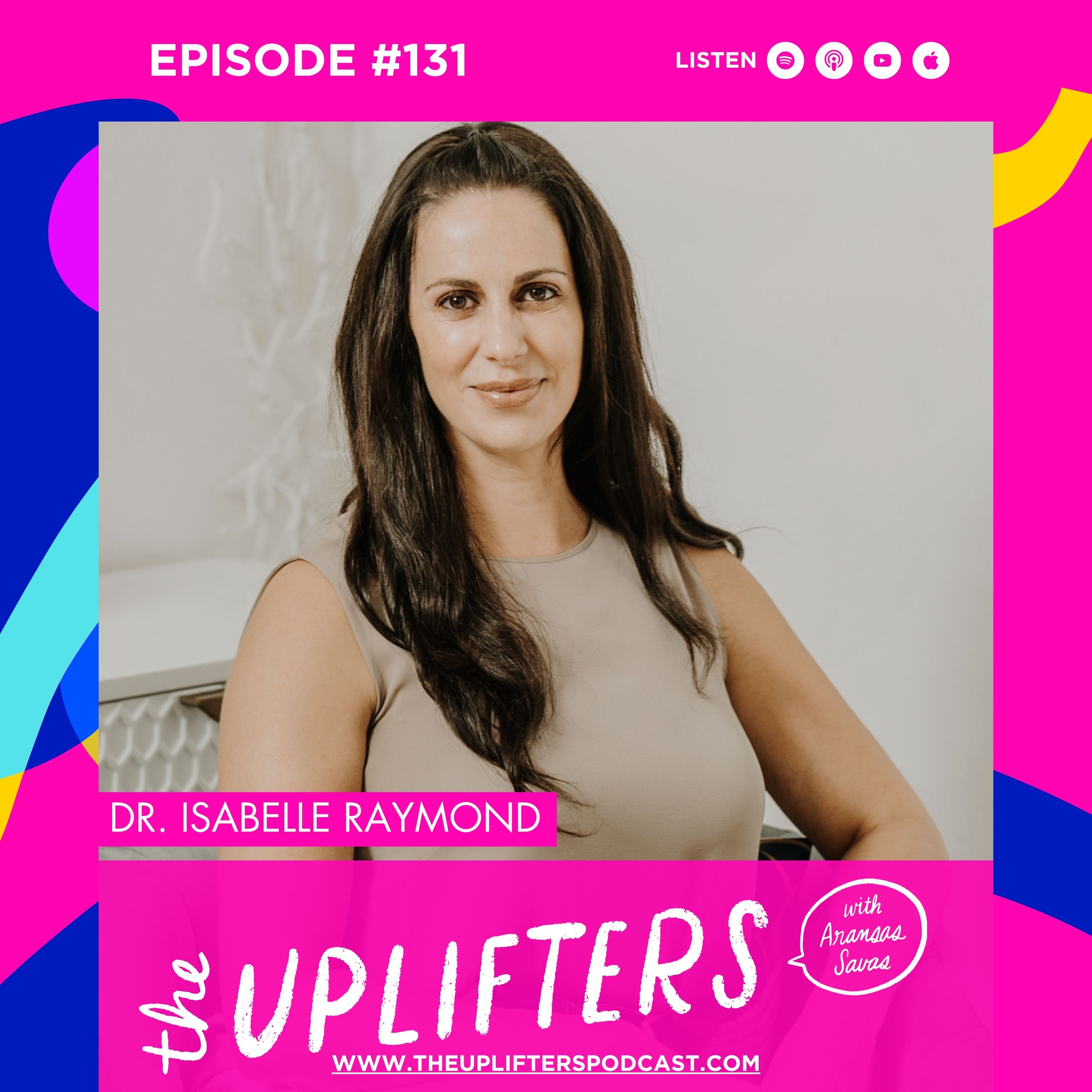
Nutrafol’s Dr. Isabelle Raymond: The Scientist Who Made Menopause Research Personal
from The Uplifters · host Aransas Savas
Episode Description:What happens when a scientist with two decades of pharmaceutical research experience realizes she doesn't understand what's happening to her own body? Dr. Isabelle Raymond joins us to discuss her journey from studying sleep medicine and neurotoxins to becoming the Head of Clinical and Medical Affairs at Nutrafol—and why it took until 2020 for any brand to study menopausal women's hair loss. This conversation reveals the shocking gaps in women's health research, why having women designing studies matters so much, and how Isabelle's bringing both scientific rigor and personal experience to research that actually serves women's bodies.What You'll Learn:Why menopausal and perimenopausal hair thinning happen to so many womenHow Isabelle's designing studies around the outcomes that actually matter to womenWhy clinical trials historically excluded women How estrogen receptors on every organ in your body explain why menopause affects everythingHow supplement research is conductedWhy so little time has been historically spent on training doctors in menopause Time Stamps:[00:00] Introduction and Aransas's personal hair shedding story[02:30] Isabelle's background[07:00] The career pivot from pharmaceutical research to Nutrafol[11:45] Why women weren't included in clinical trials—and why that needs to change[17:30] The moment Isabelle realized she was going through perimenopause on camera[22:15] Why almost no doctors receive adequate training in menopause care[26:00] How estrogen receptors throughout your body explain perimenopause symptoms[31:40] Brain fog, the word-finding difficulties, and normalizing these experiences at work[38:20] Why Nutrafol was the first to study menopausal women specifically[42:00] The power of knowledge [48:15] How Isabelle takes care of herself while taking care of everyone else[52:30] Becoming a spokesperson and front woman after a career in the backgroundKey Takeaways:✨ Women's health has been understudied because hormonal fluctuations made research more complicated—but "complicated" doesn't mean "impossible" or "not worth doing"✨ You have estrogen receptors on every organ in your body (including your hair), which is why perimenopause and menopause affect so much more than just your reproductive system✨ The medical system's gaps aren't your fault—but you can advocate for yourself by asking questions and seeking providers who take your concerns seriously✨ Brain fog, hair changes, mood shifts, and the feeling that your body no longer works the way it used to are all legitimate symptoms worth addressing✨ When women with scientific expertise bring their lived experiences into their research, they design studies that actually answer the questions women are asking✨ Self-care isn't optional—it's essential infrastructure for doing good work in the worldResource Links: Get full access to The Uplifters at www.theuplifterspodcast.com/subscribe
Embed this episode
NOW PLAYING
Nutrafol’s Dr. Isabelle Raymond: The Scientist Who Made Menopause Research Personal
No transcript for this episode yet
Similar Episodes
No similar episodes found.
Similar Podcasts
No similar podcasts found.