
EPISODE · Jun 4, 2015 · 2H 10M
O ye Drybones: More Riots to come under Keynesian Rulership
from O YE DRYBONES (FEB 2019 - JAN 2025) · host DRYBONES
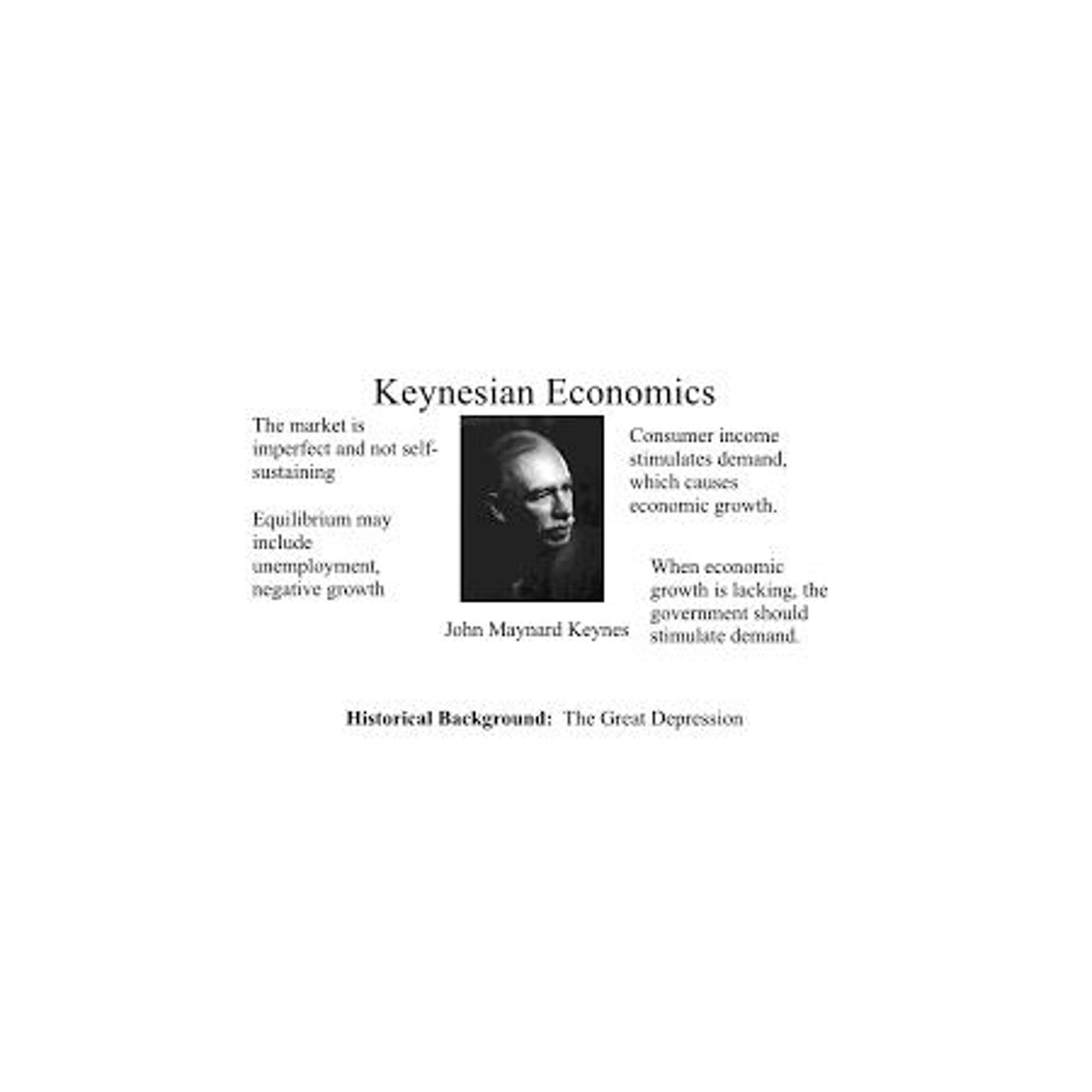
If Keynes were alive today, he might be warning of a repeat of 1937, when policy mistakes turned a promising recovery into history’s worst double dip. This time, Europe is the danger zone; then it was the U.S. What’s called the Great Depression was really two steep downturns in the U.S. The first ended in 1933. It was followed by four years of output growth averaging more than 9 percent a year, one of the strongest recoveries ever. What aborted the comeback is still debated. Some economists blame President Franklin Roosevelt for signing tax hikes and cuts in New Deal jobs programs.On Wall Street, Keynesianism never really died, because its theories did a good job of explaining the short-term fluctuations bank economists are paid to predict. “We approach forecasting more from a Keynesian perspective whether we like him or not,” says Joseph LaVorgna, chief U.S. economist at Deutsche Bank Securities.He made and lost fortunes as an investor and died rich. In 1919, in a prescient book called The Economic Consequences of the Peace, he condemned harsh reparations imposed on Germany after World War I, which were so punitive that they helped create the conditions for Adolf Hitler’s Third Reich. In 1936 he essentially invented the field of macroeconomics in his masterwork.The crisis-induced embrace of Keynes infuriated the likes of German Finance Minister Peer Steinbrück, who complained in 2008, “The same people who would never touch deficit spending are now tossing around billions. The switch from decades of supply-side politics all the way to a crass Keynesianism is breathtaking.” Wrote John Cochrane of the University of Chicago Booth School of Business on his website: “If you believe the Keynesian argument for stimulus, you should think Bernie Madoff is a hero. Seriously. He took money from people who were saving it, and gave it to people who most assuredly were going to spend it.Become a supporter of this podcast: https://www.spreaker.com/podcast/o-ye-drybones-archive--6500709/support.
What this episode covers
If Keynes were alive today, he might be warning of a repeat of 1937, when policy mistakes turned a promising recovery into history’s worst double dip. This time, Europe is the danger zone; then it was the U.S. What’s called the Great Depression was really two steep downturns in the U.S. The first ended in 1933. It was followed by four years of output growth averaging more than 9 percent a year, one of the strongest recoveries ever. What aborted the comeback is still debated. Some economists blame President Franklin Roosevelt for signing tax hikes and cuts in New Deal jobs programs.On Wall Street, Keynesianism never really died, because its theories did a good job of explaining the short-term fluctuations bank economists are paid to predict. “We approach forecasting more from a Keynesian perspective whether we like him or not,” says Joseph LaVorgna, chief U.S. economist at Deutsche Bank Securities.He made and lost fortunes as an investor and died rich. In 1919, in a prescient book called The Economic Consequences of the Peace, he condemned harsh reparations imposed on Germany after World War I, which were so punitive that they helped create the conditions for Adolf Hitler’s Third Reich. In 1936 he essentially invented the field of macroeconomics in his masterwork.The crisis-induced embrace of Keynes infuriated the likes of German Finance Minister Peer Steinbrück, who complained in 2008, “The same people who would never touch deficit spending are now tossing around billions. The switch from decades of supply-side politics all the way to a crass Keynesianism is breathtaking.” Wrote John Cochrane of the University of Chicago Booth School of Business on his website: “If you believe the Keynesian argument for stimulus, you should think Bernie Madoff is a hero. Seriously. He took money from people who were saving it, and gave it to people who most assuredly were going to spend it.Become a supporter of this podcast: https://www.spreaker.com/podcast/o-ye-drybones-archive--6500709/support.
NOW PLAYING
O ye Drybones: More Riots to come under Keynesian Rulership
No transcript for this episode yet
Similar Episodes
No similar episodes found.
Similar Podcasts
No similar podcasts found.