
EPISODE · Feb 6, 2026 · 21 MIN
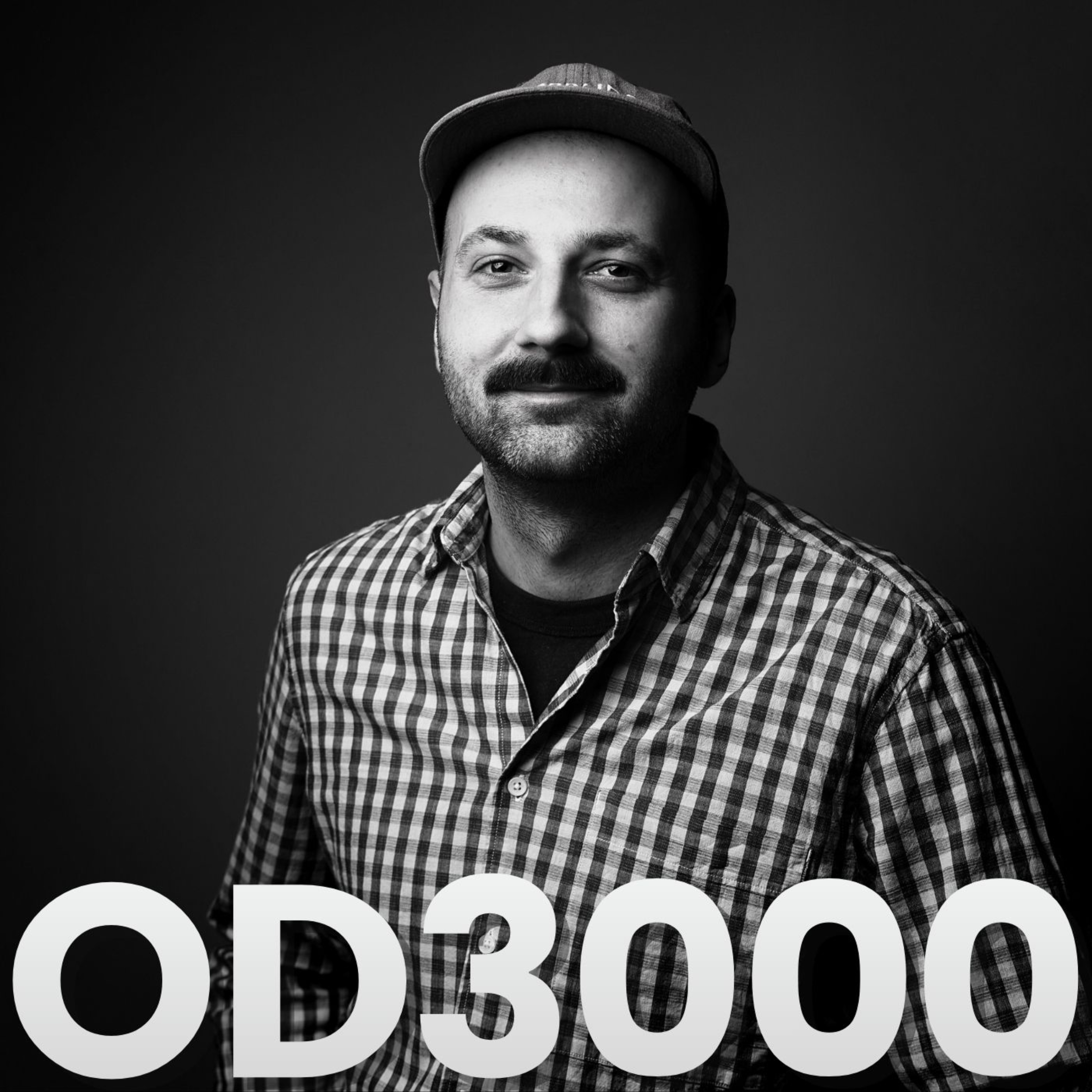
OD3000 - Episode 4 - What Connects All Organizations
from OD3000 - A podcast about the organizations of today and tomorrow · host Robin Julian Taylor
I'm Robin, and in Episode 4 of OD3000, we get fundamental. What does a shooting club have in common with a DAX corporation? This question sounds provocative – but the answer is astonishing. More than their public image suggests. We disassemble organizations into their building blocks and discover: The same mechanisms run through everything, from craft businesses to universities.Goal orientation – sounds simple, but it's political. Who decides what the organization wants? Goals are filters that reduce complexity. But they emerge from power processes.Division of labor – it solves the complexity problem. The baker bakes, the saleswoman sells. Specialization makes you better. But it also creates dependency. If the baker is out, there are no rolls. The development department builds great products nobody can sell. Division of labor is both problem and solution.Hierarchy – the necessary evil. It enables decisions, otherwise you're stuck in gridlock. But it's also an instrument of power. Those at the top earn more, have more influence. The question isn't whether hierarchies are good or bad. The question is: How much do we really need?Coordination, stability, boundaries – each building block solves a specific problem. And each creates new ones. This isn't dysfunction, this is how organizations work. They are always both: problem solvers and problem generators.Stefan Kühl calls this contingency management. Organizations concentrate their perspective on a few important aspects and fade out everything else. From infinitely many possible actions, they select those that serve the purpose.The dialectical twist: Goals constrain. Division of labor generates dependency. Hierarchy produces inequality. Stability leads to rigidity. But because organizations are human creations, they can be understood, analyzed, and changed.Featured persons: Stefan Kühl Contact me: [email protected] info: www.robin-taylor.de
What this episode covers
I'm Robin, and in Episode 4 of OD3000, we get fundamental. What does a shooting club have in common with a DAX corporation? This question sounds provocative – but the answer is astonishing. More than their public image suggests. We disassemble organizations into their building blocks and discover: The same mechanisms run through everything, from craft businesses to universities.Goal orientation – sounds simple, but it's political. Who decides what the organization wants? Goals are filters that reduce complexity. But they emerge from power processes.Division of labor – it solves the complexity problem. The baker bakes, the saleswoman sells. Specialization makes you better. But it also creates dependency. If the baker is out, there are no rolls. The development department builds great products nobody can sell. Division of labor is both problem and solution.Hierarchy – the necessary evil. It enables decisions, otherwise you're stuck in gridlock. But it's also an instrument of power. Those at the top earn more, have more influence. The question isn't whether hierarchies are good or bad. The question is: How much do we really need?Coordination, stability, boundaries – each building block solves a specific problem. And each creates new ones. This isn't dysfunction, this is how organizations work. They are always both: problem solvers and problem generators.Stefan Kühl calls this contingency management. Organizations concentrate their perspective on a few important aspects and fade out everything else. From infinitely many possible actions, they select those that serve the purpose.The dialectical twist: Goals constrain. Division of labor generates dependency. Hierarchy produces inequality. Stability leads to rigidity. But because organizations are human creations, they can be understood, analyzed, and changed.Featured persons: Stefan Kühl Contact me: [email protected] info: www.robin-taylor.de
NOW PLAYING
OD3000 - Episode 4 - What Connects All Organizations
No transcript for this episode yet
Similar Episodes
Mar 26, 2026 ·1m
Mar 19, 2026 ·34m
Feb 18, 2026 ·11m
Feb 11, 2026 ·45m