
EPISODE · Mar 15, 2024 · 5 MIN
Old Salmon River Trail Soundwalk
from Soundwalk · host Chad Crouch
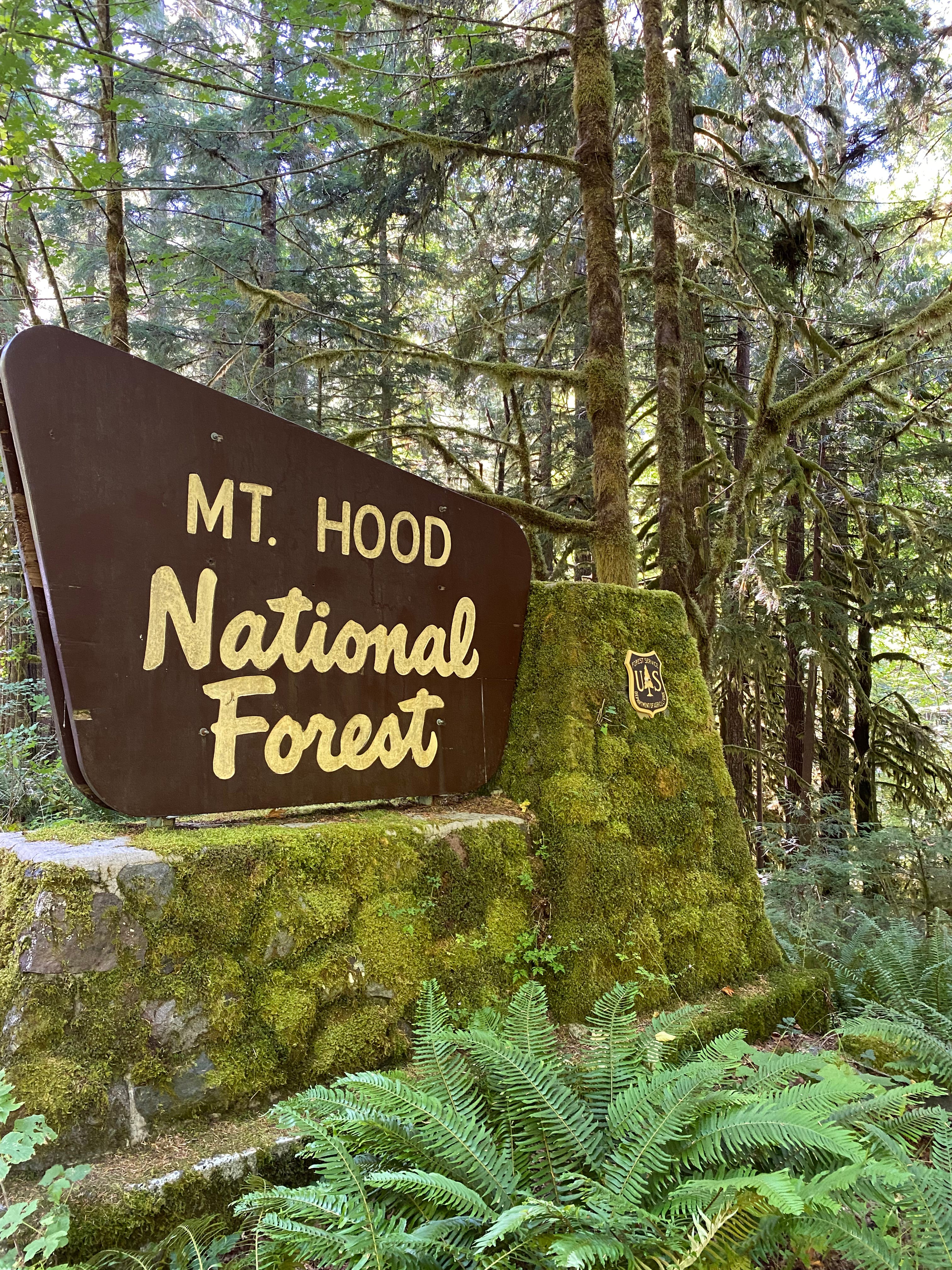
This is a free preview of a paid episode. To hear more, visit chadcrouch.substack.comWow. Spring seems to have sprung here in the Pacific Northwest! The birds are singing. The sun is out. And while I wasn’t sure how this first soundwalk in a new series would land—given it was recorded last fall—it now seems quite timely!So, let’s start with the series: Over the next ten weeks, maybe more, we will be listening to different locations in the Mt. Hood National Forest, starting with this one along the wild and scenic Salmon River, on the Old Salmon River Trail.Like me, you might ask why is it the Old Salmon River trail? Maybe Tom Kloster has the best explanation at oregonhikers.com:During the height of the post-World War II logging heyday, the Salmon River Road was built along the lower river, bypassing several miles of the old trail that once provided sole access to the upper canyon of the Salmon River. Somehow, the old section of trail paralleling the new road survived the logging era, along with some of the best old growth forests within easy reach of Portland. The trail has since been rediscovered, and once again maintained by the Forest Service for hikers looking for an easy, stream-side ramble.”Now, let me tell you why it seems timely. Firstly, just yesterday Salmon Wars, a new podcast series from Oregon Public Broadcasting and ProPublica, launched with the first two episodes (featuring original music by friends Kele Goodwin and Sean Ogilvie). Secondly, In just a couple of weeks Spring Chinook salmon will return to the lower Columbia River, as they have done for millions of years. For the soundscape recording, I do what I have done a few times in the past, mixing the ambient binaural recording (made with my recording hat) with a “zoomed in” perspective made by dangling mics close to the water and cross-fading between them to suit the sonic narrative and points of interest. (The audio in the following clips is what my phone captured.) Toward the end you can clearly hear the splashing of the salmon as they dance closer to the culmination their lifecycle. This is what that looked like: For the score I’m still digging into synth pads and drones that sound “shimmery” like the water, and warm-hued like the spawning salmon. And I’m still just working in my naive way on the piano. For the quiet “Salmon Spawning Rhapsody” passage I’m using a technique recommended to me by my friend Nick Jaina: basically parking my left hand on one or two root notes in the key while while letting the right cycle hand through a chord progression. Did he call it whole tones? Did I even understand him? Whatever the case, I like what I played. You can hear the salmon splashing for a long stretch in the last third of the soundwalk. A Cornerstone SpeciesThe Spring Chinook will travel into their home rivers and streams in the fall, the Salmon River being one of them. There they will spawn and die; their carcasses will be consumed and broken down into the ecosystem. This transfer of nutrients from the ocean to the forests is what gives salmon the distinction of being a cornerstone species. Not to put too fine a point on it, but “cornerstone” seems to be an operative and accurate description. Without salmon, natural systems break down and we all suffer. All beings.The 2024 Spring Chinook run is forecast at 121,000 fish, 80-some percent of last year’s run. There are four primary salmon types in the Columbia: Chinook, Coho, Sockeye and Steelhead. I won’t get too far into the weeds, but this page offers some facts and historical perspective on the basin, and here’s a video on their lifecycle.The big picture view is that before Euro-Americans arrived, the Columbia River basin produced between 10 and 16 million salmon annually. The total salmon forecast for 2024 is 800,000. Putting that into perspective this chart seems to indicate that number is about average for the past 100 years or so (but worryingly, only 25% of the 2014 return). It would also suggest commercial fishing in the late 19th and early 20th century decimated Columbia River salmon!And so here we are. I’m looking forward to learning more about the subject on Salmon Wars, but even more I’m looking forward to the next time I can be out in the woods, close to these majestic creatures. I hope you enjoy Old Salmon River Trail Soundwalk, which in addition to the Soundwalk podcast for premium subscribers, will be released in its entirety to all platforms tomorrow, Mar 15th. Thank you for being here. Just one more thing: If you like what I do, please tell just one person about it, so I can continue to make connections and keep doing what I’m doing.
NOW PLAYING
Old Salmon River Trail Soundwalk
No transcript for this episode yet
Similar Episodes
Mar 27, 2026 ·46m
Nov 28, 2025 ·25m
Nov 28, 2025 ·20m
Nov 28, 2025 ·23m
Nov 28, 2025 ·22m
Sep 9, 2025 ·28m