PodParley PodParley

On the Edge

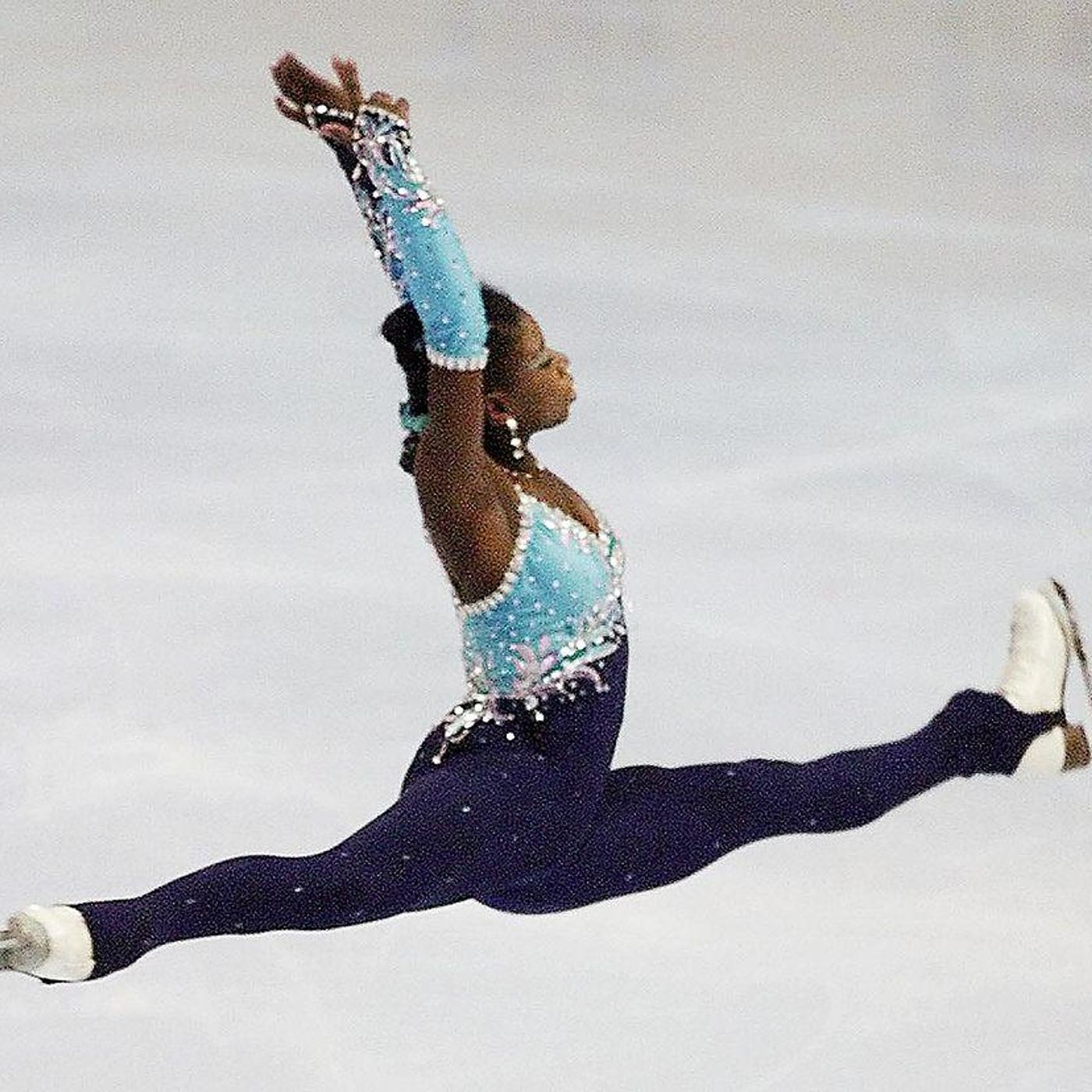
At the 1998 Olympics in Nagano, Japan, one athlete pulled a move that, so far as we know, no one else had ever done in all of human history. Surya Bonaly was not your typical figure skater.  She was black. She was athletic. And she didn’t seem to care about artistry.  Her performances – punctuated by triple-triple jumps and other power moves – thrilled audiences around the world.  Yet, commentators claimed she couldn’t skate, and judges never gave her the high marks she felt she deserved.  But Surya didn’t accept that criticism.  Unlike her competitors – ice princesses who hid behind demure smiles – Surya made her feelings known.  And, at her final Olympic performance, she attempted one jump that flew in the face of the establishment, and marked her for life as a rebel.  This week, we lace up our skates and tell a story about loving a sport that doesn’t love you back, and being judged in front of the world according to rules you don’t understand.  Produced by Matt Kielty with help from Tracie Hunte. Reported by Latif Nasser and Tracie Hunte Special thanks to the Sky Rink at Chelsea Piers, the Schwan Super Rink, Richmond Training Center, Simon Bowers of Bowers Audio Service, Vanessa Gusmeroli, Phil Hersh, Allison Manley, Randy Harvey, Rob Bailey and Lynn Plage, Michael Rosenberg, and Linda Lewis If you heard "On the Edge" and you're looking to fall in love with figure skating all over again, start here: http://www.radiolab.org/story/here-are-skating-routines-we-cant-stop-watching/ You can take the survey we mentioned at the beginning of this episode here: https://www.research.net/r/wnyclistener  Thank you!

Episode 218 of the Radiolab podcast, hosted by WNYC Studios, titled "On the Edge" was published on April 22, 2016 and runs 43 minutes.

April 22, 2016 ·43m · Radiolab

0:00 / 0:00

At the 1998 Olympics in Nagano, Japan, one athlete pulled a move that, so far as we know, no one else had ever done in all of human history. Surya Bonaly was not your typical figure skater.  She was black. She was athletic. And she didn’t seem to care about artistry.  Her performances – punctuated by triple-triple jumps and other power moves – thrilled audiences around the world.  Yet, commentators claimed she couldn’t skate, and judges never gave her the high marks she felt she deserved.  But Surya didn’t accept that criticism.  Unlike her competitors – ice princesses who hid behind demure smiles – Surya made her feelings known.  And, at her final Olympic performance, she attempted one jump that flew in the face of the establishment, and marked her for life as a rebel.  This week, we lace up our skates and tell a story about loving a sport that doesn’t love you back, and being judged in front of the world according to rules you don’t understand.  Produced by Matt Kielty with help from Tracie Hunte. Reported by Latif Nasser and Tracie Hunte Special thanks to the Sky Rink at Chelsea Piers, the Schwan Super Rink, Richmond Training Center, Simon Bowers of Bowers Audio Service, Vanessa Gusmeroli, Phil Hersh, Allison Manley, Randy Harvey, Rob Bailey and Lynn Plage, Michael Rosenberg, and Linda Lewis If you heard "On the Edge" and you're looking to fall in love with figure skating all over again, start here: http://www.radiolab.org/story/here-are-skating-routines-we-cant-stop-watching/ You can take the survey we mentioned at the beginning of this episode here: https://www.research.net/r/wnyclistener  Thank you!

At the 1998 Olympics in Nagano, Japan, one athlete pulled a move that, so far as we know, no one else had ever done in all of human history.

Surya Bonaly was not your typical figure skater.  She was black. She was athletic. And she didn’t seem to care about artistry.  Her performances – punctuated by triple-triple jumps and other power moves – thrilled audiences around the world.  Yet, commentators claimed she couldn’t skate, and judges never gave her the high marks she felt she deserved.  But Surya didn’t accept that criticism.  Unlike her competitors – ice princesses who hid behind demure smiles – Surya made her feelings known.  And, at her final Olympic performance, she attempted one jump that flew in the face of the establishment, and marked her for life as a rebel. 

This week, we lace up our skates and tell a story about loving a sport that doesn’t love you back, and being judged in front of the world according to rules you don’t understand. 

Produced by Matt Kielty with help from Tracie Hunte. Reported by Latif Nasser and Tracie Hunte

Special thanks to the Sky Rink at Chelsea Piers, the Schwan Super Rink, Richmond Training Center, Simon Bowers of Bowers Audio Service, Vanessa Gusmeroli, Phil Hersh, Allison Manley, Randy Harvey, Rob Bailey and Lynn Plage, Michael Rosenberg, and Linda Lewis

If you heard "On the Edge" and you're looking to fall in love with figure skating all over again, start here: http://www.radiolab.org/story/here-are-skating-routines-we-cant-stop-watching/

You can take the survey we mentioned at the beginning of this episode here: https://www.research.net/r/wnyclistener  Thank you!


The Vanishing of Harry Pace (Radiolab) WNYC Studios From the creators of Dolly Parton's America, Jad Abumrad and Shima Oliaee, comes a new series produced in collaboration with author Kiese Laymon, scholar Imani Perry, writer Cord Jefferson, WQXR’s Terrance McKnight, and WNYC's Jami Floyd. Based on the book Black Swan Blues: the Hard Rise and Brutal Fall of America’s First Black Owned Record Label by Paul Slade.It was Motown before Motown, FUBU before FUBU: Black Swan Records. The label founded 100 years ago by Harry Pace. Pace launched the career of Ethel Waters, inadvertently invented the term rock n roll, played an important role in W.C. Handy becoming "Father of the Blues," inspired Ebony and Jet magazines, and helped desegregate the South Side of Chicago in an epic Supreme Court battle. Then, he disappeared.  The Vanishing of Harry Pace is a series about the phenomenal but forgotten man who changed America. It's a story about betrayal, family, hidden identities, and a time like no other. Note to Self WNYC Studios Is your phone watching you? Can texting make you smarter? Are your kids real? Note to Self explores these and other essential quandaries facing anyone trying to preserve their humanity in the digital age. WNYC Studios is a listener-supported producer of other leading podcasts, including Radiolab, Death, Sex & Money, Snap Judgment, Here’s the Thing with Alec Baldwin, Nancy and many others.© WNYC Studios RadioLacan.com |Radio Lacan en el VII ENAPOL RadioLacan.com es el sitio de audios y conferencias de la Asociación Mundial de Psicoanálisis. RadioLacan.com |#LacanianosxElMundo: Ginebra. Entrevista a Sofía Guaraguara Comenzamos una serie de entrevistas a los colegas que por distintos motivos han dejado su país de origen y han decidido ejercer el psicoanálisis en otro país, en otra lengua, para que nos cuenten sobre lo que esto implica para cada uno y lo interesante de cómo hacer florecer el psicoanálisis en el mundo. En esta oportunidad Liliana Mauas entrevista a Sofía Guaraguara.
URL copied to clipboard!