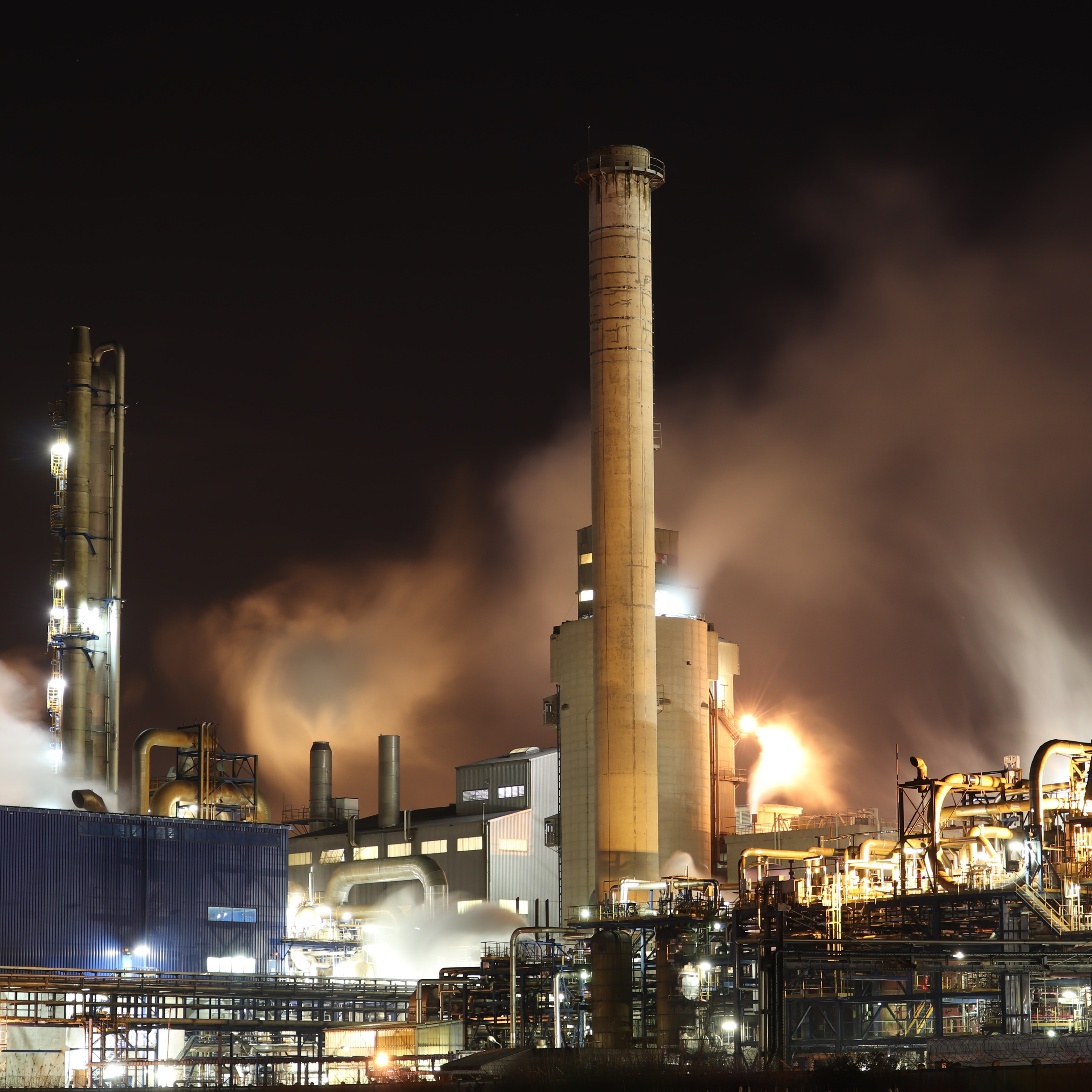
Oregon's Boardman Coal Plant closed. Now what? episode artwork

EPISODE · Oct 20, 2020 · 2 MIN

Oregon's Boardman Coal Plant closed. Now what?

from Cascade CounterPoint · host Cascade Policy Institute

On Thursday, October 15, Portland General Electric pulled the plug on the Boardman Coal Plant, PGE’s largest power plant. Boardman had a nameplate capacity of 550 firm megawatts of power and was decommissioned 20 years prematurely. While environmentalists celebrate the plant’s closure, utility executives are still trying to figure out how they will keep the lights on in our region. That’s because the more coal plants our region removes from the grid, the more likely we are to experience future blackouts. Multiple studies from groups like the Northwest Power Pool, E3, and the Northwest Power and Conservation Council all reached the same conclusion: Our region will have a shortage of power by the mid-2020s that could lead to blackouts and extreme price volatility. Curious about what this would look like? Look no further than California. In August, the state experienced rolling blackouts because it leaned too heavily on imports and didn’t have enough of its own firm power. Our utilities aren’t far behind. Large Northwest utilities plan on investing in wind, solar, batteries, and—like California—market purchases. To avoid California’s same fate, our utilities and officials need to acknowledge that an intermittent resource powered grid is not a reliable or an affordable grid. Instead of celebrating Boardman’s closure, they should invest in firm power sources like natural gas and clean nuclear power. Learn more at cascadepolicy.org or by emailing [email protected]. 

On Thursday, October 15, Portland General Electric pulled the plug on the Boardman Coal Plant, PGE’s largest power plant. Boardman had a nameplate capacity of 550 firm megawatts of power and was decommissioned 20 years prematurely. While environmentalists celebrate the plant’s closure, utility executives are still trying to figure out how they will keep the lights on in our region. That’s because the more coal plants our region removes from the grid, the more likely we are to experience future blackouts. Multiple studies from groups like the Northwest Power Pool, E3, and the Northwest Power and Conservation Council all reached the same conclusion: Our region will have a shortage of power by the mid-2020s that could lead to blackouts and extreme price volatility. Curious about what this would look like? Look no further than California. In August, the state experienced rolling blackouts because it leaned too heavily on imports and didn’t have enough of its own firm power. Our utilities aren’t far behind. Large Northwest utilities plan on investing in wind, solar, batteries, and—like California—market purchases. To avoid California’s same fate, our utilities and officials need to acknowledge that an intermittent resource powered grid is not a reliable or an affordable grid. Instead of celebrating Boardman’s closure, they should invest in firm power sources like natural gas and clean nuclear power. Learn more at cascadepolicy.org or by emailing [email protected].

NOW PLAYING

Oregon's Boardman Coal Plant closed. Now what?

0:00 2:03

No transcript for this episode yet

We transcribe on demand. Request one and we'll notify you when it's ready — usually under 10 minutes.

Quizzes BBC Radio 4 Intelligent and challenging quiz games on BBC Radio 4. Featuring Round Britain Quiz, Counterpoint and Brain of Britain with Quizmasters including Paul Gambaccini, Kirsty Lang and Russell Davies. Your Last Meal with Rachel Belle Rachel Belle YOUR LAST MEAL is a James Beard Award finalist for best podcast hosted by National Edward R. Murrow award-winning reporter, cookbook author and Cascade PBS TV host Rachel Belle. Each episode Rachel asks a celebrity (Greta Gerwig, Jonathon Van Ness, Neil deGrasse Tyson, Margaret Cho, Alton Brown, Isaac Mizrahi, Ani DiFranco, Iron & Wine, etc) what they would choose to eat for their last meal. Then she uncovers the history, science and culture of these dishes with everyone from the designer who created Lady Gaga's meat dress to the ice cream scientists at Ben & Jerry's.  Slate Debates Slate Podcasts A feed from the Slate podcast network featuring episodes with enlightening conversations, opposing views, and plenty of healthy disputes. You'll get a curated selection of episodes from programs like What Next, The Waves, and the Political Gabfest, with deep discussions that go beyond point-counterpoint and shed light on the issues that matter most. The #1 Musical Experience Herb Williams Works of classical repertoire often exhibit complexity in their use of orchestration, counterpoint, harmony, musical development, rhythm, phrasing, texture, and form. Whereas most popular styles are usually written in song form, classical music is noted for its development of highly sophisticated instrumental musical forms, like the concerto, symphony and sonata. Classical music is also noted for its use of sophisticated vocal/instrumental forms, such as opera. In opera, vocal soloists and choirs perform staged dramatic works with an orchestra providing accompaniment.Longer instrumental works are often divided into self-contained pieces, called movements, often with contrasting characters or moods. For instance, symphonies written during the Classical period are usually divided into four movements:( 1) An opening Allegro in sonata form, a slow movement,a minuet or scherzo (in a triple metre, such as 34), and a final Allegro.These movements can

Frequently Asked Questions

How long is this episode of Cascade CounterPoint?

This episode is 2 minutes long.

When was this Cascade CounterPoint episode published?

This episode was published on October 20, 2020.

What is this episode about?

On Thursday, October 15, Portland General Electric pulled the plug on the Boardman Coal Plant, PGE’s largest power plant. Boardman had a nameplate capacity of 550 firm megawatts of power and was decommissioned 20 years prematurely. While...

Can I download this Cascade CounterPoint episode?

Yes, you can download this episode by clicking the download button on the episode player, or subscribe to the podcast in your preferred podcast app for automatic downloads.
URL copied to clipboard!