
EPISODE · Dec 18, 2025 · 31 MIN
AI Stole The Music. This Is How We Take It Back
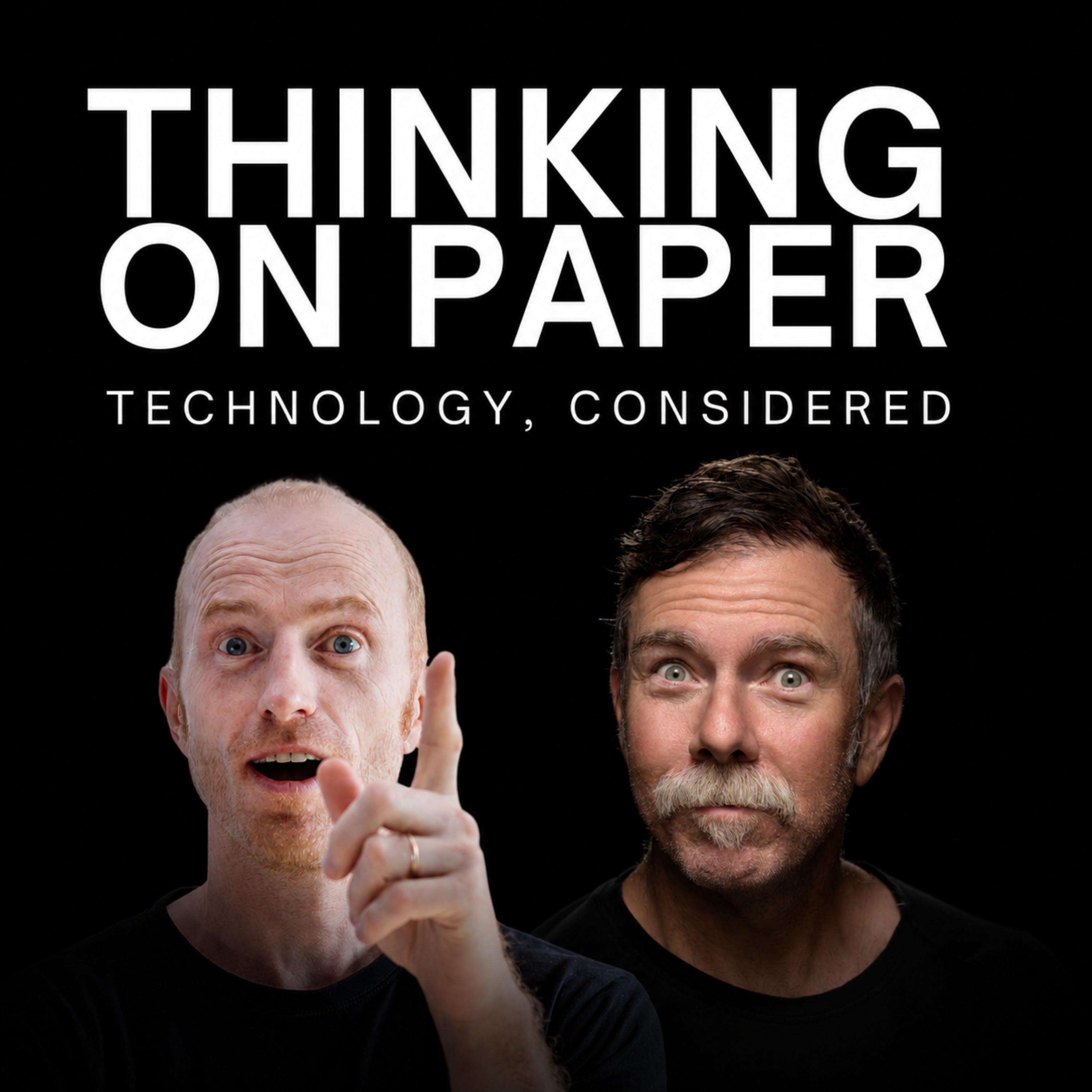
from Thinking On Paper · host Mark Fielding and Jeremy Gilbertson
Making music used to require heartbreak, bleeding fingers, and a thousand late nights. Now, with SUNO, you can write AI songs in 30 seconds.This changes everything about taste, credit, and what it means to be a musician.Nicholas Ponari—guitarist, investor, COO at Overtune—explains how musicians get paid when AI generates the music.The old model is dead. You used to need:- A guitarist- A bass player- A drummer- A producer- A recording studio- Years of practiceNow you need a laptop. But someone still created the guitar riffs AI learned from. Someone played the drums that trained the model. Someone wrote the chord progressions.So who gets paid?Overtune solved this with vector mathematics. Here's how it works:They convert music into high-dimensional vectors. When AI generates a song, they measure the "distance" between the output and every input in the training data. The closest matches get credit. And payment.Bass player's groove gets used? They get paid.Drummer's pattern shows up? They get paid.Producer's mixing style? They get paid.It's automatic. It's fair. It's the only way AI music doesn't become theft at scale.We also talk about:- Why Suno and Udio's approach creates legal nightmares- Whether AI musicians can coexist with human musicians- Why taste matters more than ever (anyone can make music now)- The 10,000 hours that separate making music from being a musician- Why every Mars mission needs a guitarist (seriously—group survival research)Nicholas's take: AI should lower the barrier to entry. If you outgrow Overtune and start hiring real producers, they've succeeded. You've graduated.The question isn't whether AI can make music. It's whether we build tools that empower musicians—or replace them.---Guest: Nicholas Ponari, COO, Overtune | Investor, GuitaristCompany: Overtune.comTopics: AI music, copyright, attribution, royalties, music creation, licensing, vector mathComparison: Suno, Udio (scraping approach) vs Overtune (licensed approach)Please enjoy the show.And remember: Stay curious. Be disruptive. Keep Thinking on Paper.Cheers, Mark & JeremyPS: Please subscribe. It’s the best way you can help other curious minds find our channel.--Take your Technology thinking beyond.Listen to every podcastFollow us on InstagramFollow us on XFollow Mark on LinkedInFollow Jeremy on LinkedInRead our SubstackEmail: [email protected] On YouTube: TIMESTAMPS:(00:00) Trailer(00:59) Why music feels like “magic”(04:51) Overtune’s real customer: vocalists who can’t produce(07:51) The hard problem: attribution, not “make a song”(08:05) Why the easy button fails(12:49) Training on licensed music and where the ethics line sits(16:08) Who gets paid: splits, volume, and realistic expectations(18:32) How attribution actually works: vectors, thresholds, and cutoffs(20:44) Can scraped music ever be fixed after the fact(27:07) Interactive music, live coding, and the future of performance(29:14) The Kevin Kelly question: what do we want humans to be?
Embed this episode
NOW PLAYING
AI Stole The Music. This Is How We Take It Back
No transcript for this episode yet
Similar Episodes
No similar episodes found.
Similar Podcasts
No similar podcasts found.