
EPISODE · Jun 10, 2026 · 3 MIN
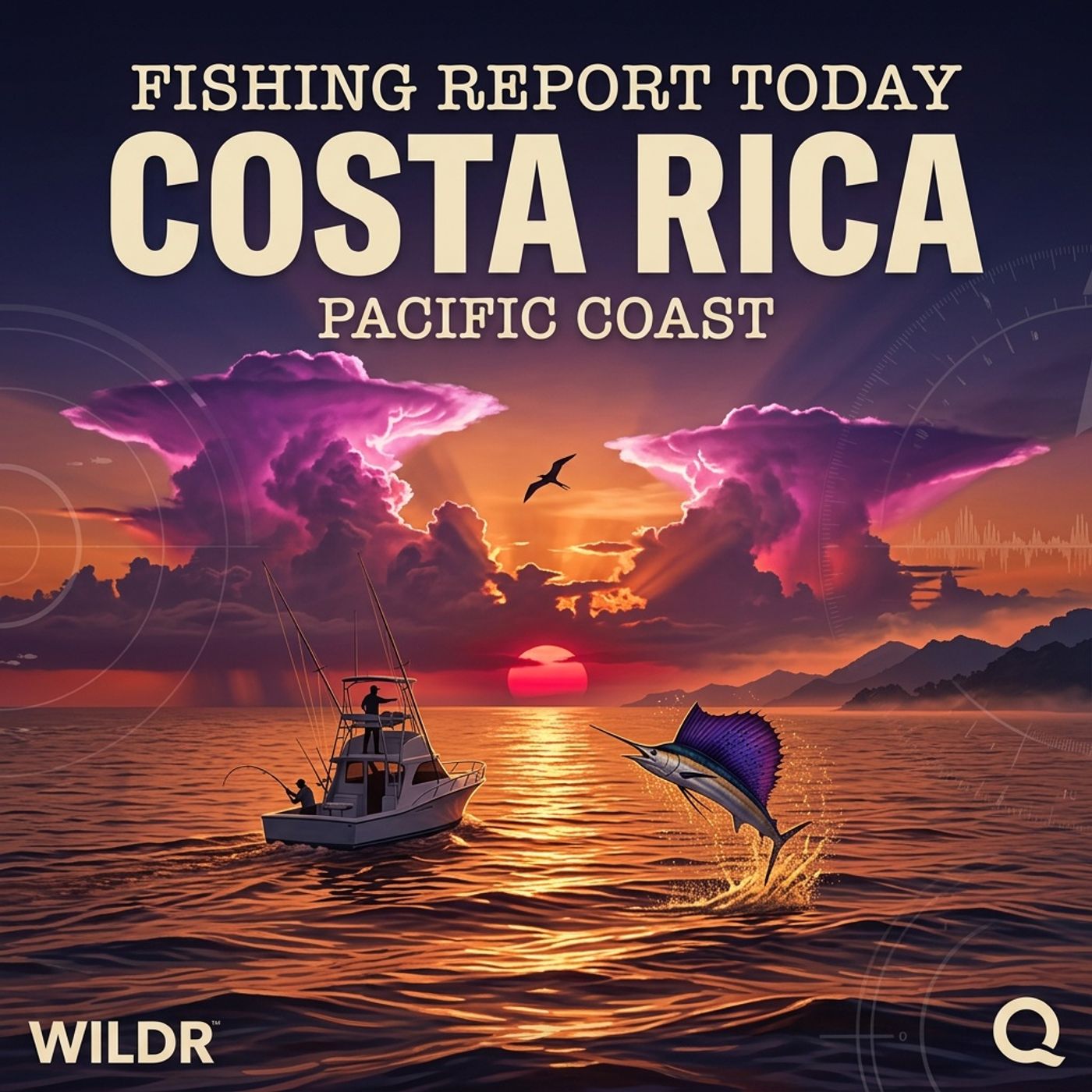
Pacific Costa Rica Fishing Report: Yellowfin Tuna and Roosterfish Bite Strong This Week
from Costa Rica, Pacific Coast Fishing Report Today · host Inception Point AI
Name’s Artificial Lure, checking in with your Pacific Costa Rica fishing report, from Guanacaste down to Quepos and the Osa. Along most of the coast this morning we’ve got light onshore breeze building late, calm seas early, and a bit more chop in the afternoon as the wind comes up. Air temps are running mid‑70s at dawn, climbing into the mid to high 80s with that usual sticky humidity. Skies are partly cloudy with a chance of a quick shower in the afternoon, but nothing that should chase you off the water if you’re prepared. Sunrise along this stretch hit right around 5:15 a.m., with sunset close to 6 p.m. Give or take a few minutes depending where you are. Tide tables for the central Pacific show a higher morning tide easing toward midday, dropping toward a late‑afternoon low. The stronger movement on the falling tide has been kicking bait off the rocks and reefs, and that’s when the bite has been best inshore. Offshore out of Los Sueños and Quepos, boats over the last couple days have been reporting steady action in 20 to 35 miles. Sailfish are still around, with a few boats raising half a dozen or more in a day. Blue marlin are not thick, but there are enough around that a dedicated spread is getting a shot or two. Yellowfin tuna have been the main story offshore: footballs to 60‑80 pound fish, with the odd bigger cow mixed in when the dolphins stack up. Some boats are boxing 6–12 tuna when they stay on them. Best offshore offerings have been bright skirted ballyhoo in pink‑white, blue‑white and purple for sails and marlin, and small cedar plugs or poppers worked around spinner dolphins for tuna. Guys chunking or fly‑lining fresh bonito or sardine chunks are doing well when the tuna get picky. Inshore, the rocks, river mouths, and reef edges are giving up good mixed bags. Roosterfish have been consistent this week, with plenty of 10–30 pounders and a few brutes pushing 50. There’s been a nice run of keeper‑size cubera and mullet snapper in 40–80 feet, plus jacks and some decent Sierra mackerel early and late in the day. Live bait is king inshore: live sardines and small blue runners slow‑trolled along the beach or near river plumes have been the ticket for roosters. For the lures folks, medium‑size diving plugs in natural bait colors, 1–2 oz bucktail jigs with a strip of squid or fish, and surface poppers in bone or blue have all produced. Around the reefs, a simple knocker rig with fresh cut bait—mackerel, squid, or small bonito—has been putting snapper and grouper in the box. A couple of hotspots to circle on your mental chart: First, around Herradura and the inshore reefs off Jacó, where bait has been stacked and both roosters and jacks are working the edges when that tide starts to fall. Work the color changes and any bird activity. Second, down toward the mouth of the Térraba‑Sierpe system on the southern Pacific. The river plume there is pushing lots of nutrients, and where that green water meets the bluer ocean you’ve got roosters, snook, and snapper all chewing when the current runs. Overall, look for moving water, birds, and bait. Fish the early low‑light windows for inshore surface action, then slide deeper or head offshore once the sun gets high. Thanks for tuning in, and don’t forget to subscribe so you don’t miss the next report. This has been a quiet please production, for more check out quiet please dot ai. Great deals on fishing gear https://amzn.to/44gt1Pn
Embed this episode
NOW PLAYING
Pacific Costa Rica Fishing Report: Yellowfin Tuna and Roosterfish Bite Strong This Week
No transcript for this episode yet
Similar Episodes
No similar episodes found.
Similar Podcasts
No similar podcasts found.