
EPISODE · May 12, 2025 · 15 MIN
Part: 2 Empire of Ash: From the Mongols to Modern Massacres
from Time Machine Diaries: Ancient Civilizations & Future World Predictions. · host CNC Productions
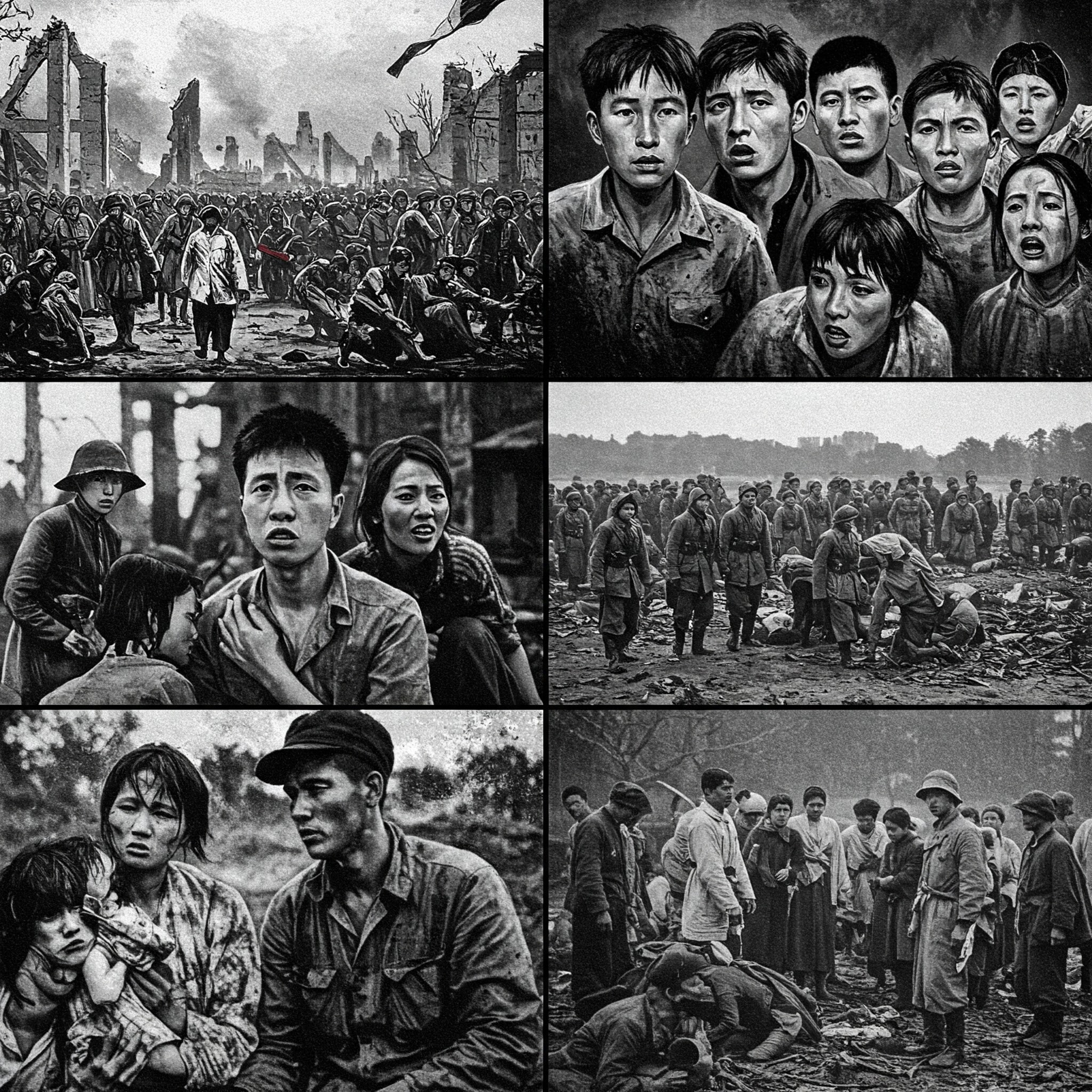
This episode journeys through the brutal legacy of the Mongol Empire, drawing chilling parallels to modern atrocities like My Lai, Srebrenica, Nanjing, and Mahmudiyah. By examining these events, we uncover the recurring patterns of imperial violence and the mechanisms of mass atrocity that have persisted through centuries. The goal is to inform and, hopefully, prevent future horrors by understanding the pastThe Mongol Empire & Its Atrocities:Ata-Malik Juvayni's accounts provide detailed descriptions of Mongol campaigns and their devastating impacts. Asia for EducatorsThe Mongol invasion of the Khwarazmian Empire marked the beginning of widespread devastation in Central Asia. WikipediaThe Mongols' brutal tactics have been compared to modern terrorist strategies, emphasizing their use of fear and psychological warfare. Journal of Foreign Affairs at CarolinaThe Mongol Empire's approach to war blurred the lines between domestic law enforcement and warfare, challenging modern concepts of war crimes. Lieber Institute West PointÖgedei Khan's reign included some of the worst recorded Mongol atrocities, such as the mass rape of the Oirat girls. Sky HISTORY TV channelMy Lai Massacre (Vietnam, 1968):The My Lai Massacre involved the mass murder of unarmed South Vietnamese civilians by U.S. troops. FAU LibrariesDigital History provides an overview of the events leading up to and following the massacre. Digital HistoryPBS offers evidence and photographs that played a crucial role in the investigation of the massacre. PBSThe Library of Congress holds the Peers inquiry documents related to the massacre. The Library of CongressTime magazine reflects on the massacre's impact and the photographer who exposed it. TimeSrebrenica Genocide (Bosnia, 1995):The National Security Archive provides declassified documents detailing the path to genocide. National Security ArchiveBritannica offers a comprehensive overview of the Srebrenica genocide. Encyclopedia Britannica+1National Security Archive+1The International Residual Mechanism for Criminal Tribunals presents a timeline of the genocide. Residual MechanismThe United States Holocaust Memorial Museum shares eyewitness testimonies from the genocide. United States Holocaust Memorial MuseumThe Srebrenica Memorial Center outlines the events that transpired during the massacre. SrebrenicaNanjing Massacre (China, 1937):RCCC Library provides web resources and primary sources related to the Nanjing Massacre. Army University Press+2RCCC Library Guides+2Yale Library+2Yale Library's Nanking Massacre Archival Project includes documents and firsthand accounts. Yale Library+1RCCC Library Guides+1UNESCO's Memory of the World Register includes documents of the Nanjing Massacre. UNESCO+1The View from Ginling+1History.com offers an article detailing the events and aftermath of the massacre. Mahmudiyah Rape and Killings (Iraq, 2006):Wikipedia provides an overview of the Mahmudiyah rape and killings incident. WikipediaAl Jazeera reports on the former U.S. soldier found hanged after being convicted of the crime. Al Jazeera+1Reuters+1The International Committee of the Red Cross details the United States v. Green case. ICRC Databases+1Wikipedia+1Army University Press discusses lessons learned from the Yusufiyah incident. Army University PressReuters covers the guilty plea of a U.S. soldier involved in the Mahmudiyah crimes. Reuters
Embed this episode
NOW PLAYING
Part: 2 Empire of Ash: From the Mongols to Modern Massacres
No transcript for this episode yet
Similar Episodes
No similar episodes found.